Key Takeaway: Sustainable energy refers to power sources and systems that can meet today’s needs without creating long-term environmental or supply problems. It includes options such as solar, wind, hydropower, geothermal, and biomass, and it matters because it can reduce emissions, improve energy security, and support economic growth. At the same time, sustainable energy still faces real challenges, including cost, reliability, and infrastructure limits, which is why the transition remains both promising and complex.
Why This Topic Feels Urgent
Sustainable energy now shapes everyday conversations about cost, growth, and the future. Energy systems are changing quickly as communities look for ways to generate power that remain reliable while reducing long-term environmental impact. The focus is simple: producing electricity in ways that support modern life without creating deeper problems for the future. As demand grows, more people are asking how energy systems can stay dependable while also becoming cleaner and more resilient.
A decade ago, this topic often stayed inside policy rooms. Now it shows up on utility bills, car ads, school projects, and corporate plans. That shift matters because energy touches nearly every part of modern life. It powers homes, factories, transport, hospitals, and data centers. It also influences air quality, public health, and household budgets.
So why does it matter so much right now? Demand keeps rising, yet concern about pollution and long-term supply keeps rising too. That tension has pushed sustainable energy into the mainstream. Even if you rarely think about the power grid, it already shapes your daily routine.
What Is Sustainable Energy, Really?
What does this term actually mean? In simple language, it refers to energy systems that can support life today without creating larger problems tomorrow. That includes reducing pollution, avoiding heavy waste, and relying less on resources that will eventually run out.
The idea sounds broad because it is broad. It is not only about how electricity gets generated. It also includes how energy gets stored, moved, and used. A source may look promising at first glance, yet still face real limits in cost, geography, or reliability. That is why no serious conversation stays fixed on one technology for long.
At its core, the concept asks a practical question. Can we power daily life in a way that lasts? For many people, that question now sits at the center of climate, business, and infrastructure debates. The goal is not to chase novelty. The goal is to build an energy future that remains useful, affordable, and resilient.
Sustainable energy in everyday life
You do not need to visit a wind farm to notice the shift. You can see it in rooftop solar panels, electric buses, efficient buildings, and upgraded grids. You can hear it in everyday questions too. Where does my power come from? Why does my energy bill change? Can cleaner systems also be dependable?
That change in mindset matters. It moves the conversation beyond engineers and policymakers. A homeowner may think about backup power. A business leader may study operating costs. A city planner may weigh traffic, heat, and air quality. In each case, energy stops being a background issue. It becomes part of a larger decision about comfort, cost, and long-term risk.
Where the Power Story Begins
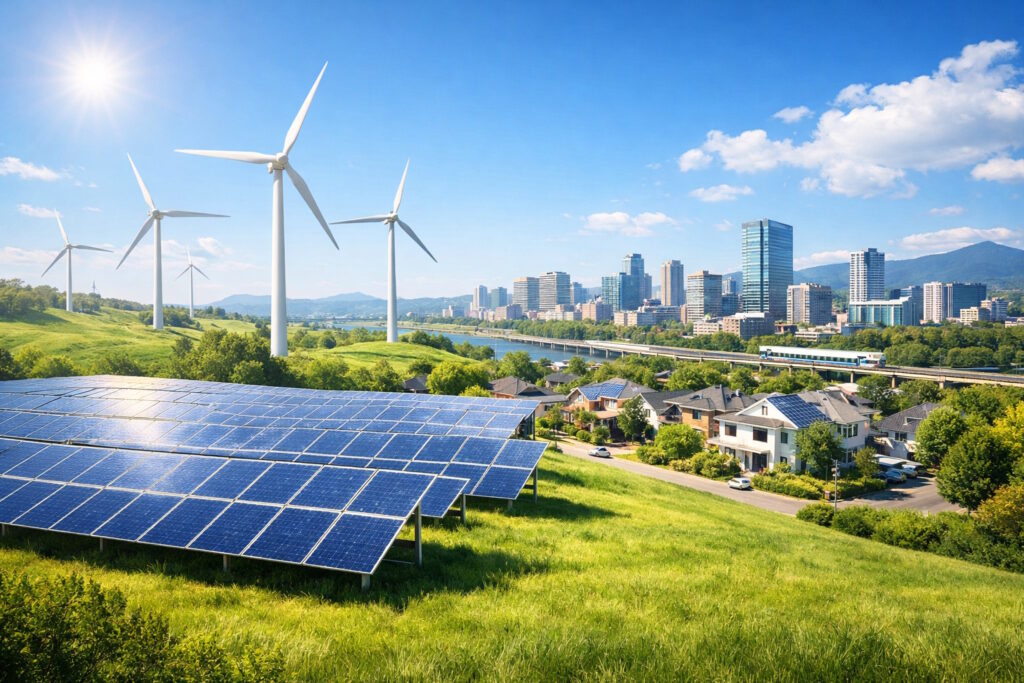
When people picture newer energy options, solar and wind usually come first. Solar panels turn sunlight into electricity. Wind turbines capture the force of moving air. Both sources have become easier to spot, and in many places they have become less expensive.
Hydropower remains important as well. It uses moving water to produce electricity and has served power systems for decades. Geothermal energy taps heat from beneath the earth’s surface. Biomass uses organic material, including plant matter and some forms of waste, to generate usable energy. Each source brings its own strengths and limitations.
That is why no single source can do everything, everywhere, all at once. Sunlight changes with season and weather. Wind patterns vary by region. Hydropower depends on water conditions. Geothermal works best in specific locations. Biomass raises questions about land use and emissions. In practice, most energy plans mix several sources rather than relying on only one.
Why the Benefits Attract So Much Attention
The appeal is easy to understand. Many energy sources in this space can cut emissions and reduce air pollution. That matters for climate goals, but it also matters for daily health. Cleaner air can improve life in dense cities and industrial regions.
These systems can also strengthen energy security. When a country, company, or community depends too heavily on a narrow fuel base, it becomes more vulnerable. Price spikes, supply disruptions, and geopolitical shocks can hit hard. A broader energy mix can soften those blows. In some cases, it can also support more local production.
There is also a business case. New projects often create work in construction, maintenance, manufacturing, software, and services. They can drive upgrades in storage, transmission, and building design. For many organizations, the promise is not only environmental. It is financial and strategic as well.
People also respond to momentum. When a technology feels visible, modern, and practical, attention follows. That does not make every claim accurate. Still, it helps explain why sustainable energy now draws interest far beyond the energy sector.
The Challenges That Keep the Debate Real
The promise is genuine, but the obstacles are real. Cost remains one of the biggest concerns, especially at the start of a project. Some technologies lower expenses over time, yet the upfront investment can still slow progress. That issue affects households, utilities, and public agencies alike.
Reliability shapes the debate just as strongly. A common question sounds simple. What happens when the sun sets or the wind drops? That question points to a larger challenge. Power systems need balance at all times. They need storage, backup capacity, flexible grids, and careful planning. Without those pieces, even popular projects can face resistance.
Infrastructure creates another hurdle. Many regions built their energy systems around older fuels and older demand patterns. Updating those systems takes money, time, and political agreement. In many places, the challenge is less about invention and more about coordination.
There are social and environmental tensions too. Large projects can affect land use, water access, wildlife, and nearby communities. Mining for key materials raises another set of concerns. So, while the broad direction may seem clear, the path forward still involves tradeoffs. That is one reason the subject stays active, visible, and sometimes contested.
Why the Conversation Keeps Getting Bigger
Is this a passing trend, or is it a lasting shift? Everything points to the second answer. Energy demand keeps growing. Climate pressure keeps building. At the same time, consumers, investors, and policymakers keep asking tougher questions about resilience, cost, and long-term value.
That does not mean every market will move at the same pace. Some regions will lead with policy, investment, and infrastructure. Others will move more slowly because of cost, geography, or politics. Even so, the larger conversation will remain with us. Energy affects competitiveness, public health, housing, transport, and daily comfort. Few issues reach so many parts of life.
For that reason, a basic grasp of the topic now has real value. You do not need technical depth to follow the main idea. You only need to see why the issue keeps moving closer to the center of public and business decisions.
Conclusion: Where the Shift Starts to Feel Personal
Sustainable energy is no longer a niche subject. It now sits inside wider conversations about growth, resilience, and responsibility. The big picture is clear enough to grasp. Different sources offer new possibilities, major benefits draw serious interest, and real challenges shape the speed of change.
That mix of promise and friction is exactly why the topic matters. It is not a simple story, yet it is an important one. Sustainable energy will keep influencing business choices, public policy, and everyday life for years to come. If you want to keep following how sustainable energy and other emerging technologies are shaping the world ahead, Tech Scope Connect offers a thoughtful place to stay engaged with the conversation. Join us!
Join Green Things Summit 2026 as we take a deeper dive into how AI, IoT, automation, and edge computing help drive efficiency, reduce waste, and advance sustainability goals through thought-leadership panels, industry keynotes, and interactive Q&A sessions. Register here.