
Key Takeaway: Edge computing quietly reduces energy waste by processing data closer to where it is created, instead of sending every signal to the cloud. That approach can lower network traffic, reduce unnecessary cloud workloads, improve response times, and help connected systems run more efficiently. For businesses, edge computing supports smarter operations in places like factories, buildings, and logistics networks.
The Efficiency Story No One Sees
Edge computing is changing how businesses think about waste in digital systems. It moves data processing and decision-making closer to where data is created, instead of sending everything to the cloud first. That matters because every unnecessary trip to the cloud uses energy, adds delay, and raises costs. As AI use expands and connected devices multiply, that kind of quiet efficiency feels more relevant than ever.
When people hear “energy waste,” they often picture factories, fleets, or buildings. They rarely picture data. Yet waste shows up there too. Sensors send streams no one needs, devices repeat the same status, and platforms store data that never shapes a decision. You might ask, “Does that really add up?” Across thousands of devices, it does.
Companies now run more connected systems than ever. They want better visibility, faster decisions, and lower costs at the same time. Those goals often point to one simple question: does every piece of data need a long trip before anything useful happens?
Why Edge Computing Saves More Than Time
The usual model sends data from devices to a central platform, where software sorts it out later. That approach works, but it often does more work than necessary. If a camera, meter, or machine can recognize what matters on the spot, why send everything elsewhere first?
That is where the hidden efficiency layer appears. Instead of treating every data point as urgent, systems can review information close to the source and ignore routine readings. They can flag only exceptions and respond when conditions change. A smart building, for example, does not need to send every temperature fluctuation to a distant server before adjusting airflow.
This shift sounds small, yet it changes the energy picture. Networks move less data, cloud platforms process fewer low-value tasks, and teams spend less effort chasing noise. In many cases, the system becomes faster and leaner at the same time.
How edge computing changes the data journey
A simple way to understand the concept is this: process first, send second. Rather than moving raw data everywhere, an edge system filters, summarizes, and acts locally when it can. Only useful information moves upstream.
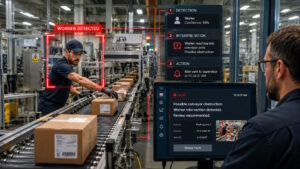
So, what does that look like in practice? In a factory, local systems can watch equipment and send alerts only when patterns suggest a problem. In an office tower, controls can respond to occupancy instead of running on fixed schedules. In a distribution network, trackers can share meaningful updates instead of constant background chatter.
If you are wondering, “How does edge computing reduce energy waste in real life?” the answer is straightforward. It cuts needless motion in digital systems. Less data movement means less network activity. Less low-value processing means lighter cloud workloads. Faster local action can also reduce physical waste, including idle runtime, overheating, and empty-room lighting.
The Waste You Never Notice on the Bill
Some energy waste hides inside ordinary operations. A machine stays on longer than needed because a signal takes too long to travel. A cooling system runs harder than necessary because it reacts to old patterns instead of current conditions. A remote asset keeps sending full status reports even when nothing has changed.
None of these examples looks dramatic on its own. Together, they create a slow drain on power, bandwidth, and budget. That is why the conversation matters now. Companies are under pressure to do more with existing resources. They want efficiency, but they also want speed, resilience, and better service.
This is where the topic becomes more than a technical discussion. It becomes a design question. When systems decide more intelligently at the point of action, they often avoid waste before it starts. That is a quieter kind of efficiency, but it is still real.
Where Quiet Efficiency Shows Up Every Day
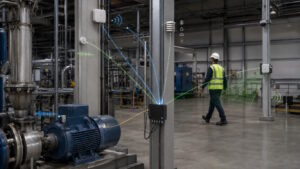
Industrial operations offer the clearest example. Production lines generate a steady stream of signals from motors, pumps, sensors, and safety systems. Sending every reading to the cloud can create delay and clutter. Local processing helps teams focus on abnormal readings, early warning signs, and immediate control actions.
Smart buildings tell a similar story. Heating, cooling, lighting, and access systems all produce constant information. When those systems respond on-site, they can match real conditions more closely. That can reduce wasted runtime and improve comfort at the same time.
Logistics and remote operations also benefit. Fleets, warehouses, and field assets often work across wide areas with uneven connectivity. Local decision-making keeps systems useful when networks slow down. It also prevents constant data traffic from becoming its own source of waste.
These examples share the same lesson. Efficiency does not always come from a massive overhaul. Sometimes it comes from deciding what deserves attention before data travels any farther.
The Cloud Still Plays a Role, but the Balance Is Changing
Central platforms still support long-term analytics, model training, broad visibility, and system coordination. The goal is not to replace one layer with another. It is to stop treating one layer as the answer to everything.
As businesses connect more devices and expand their use of AI, that approach becomes harder to justify. More connected systems create more data. More data can improve insight, but it can also create waste when teams collect everything without a plan. Edge computing helps create a more disciplined flow.
It also changes how people think about sustainability. Energy efficiency is not only about cleaner power sources or public reporting. It is also about system design. When digital operations become more selective, responsive, and local, they often become more efficient.
A Small Shift with a Bigger Business Effect
The appeal here is simple. Businesses do not need another abstract promise. They need technologies that support lower costs, faster response times, and better use of resources. Edge computing speaks to all three.
It reduces delay in time-sensitive situations. It lowers the burden on networks and cloud environments. It helps physical systems respond with better timing. Just as important, it shows that sustainability can grow from operational choices, not only from large public goals.
That is why this topic deserves more attention. The most meaningful efficiency gains are not always obvious. They often happen in the background, inside the flow of data, where small design choices shape daily performance.
Conclusion: Why Quiet Efficiency Makes a Difference
As digital systems grow, the hidden costs of moving and processing too much data grow with them. The businesses that manage that flow well will hold a real advantage. They will waste less energy, respond faster, and build systems that feel smarter without becoming harder to manage.
That is the quiet promise behind edge computing. It does not need to dominate the conversation to make a difference. It simply needs to do the right work in the right place.
If topics like edge computing, efficiency, and sustainable operations are on your radar, join Tech Scope Connect for expert insights, live newscasts, and global summits that explore where these shifts are heading.
Join Green Things Summit 2026 as we take a deeper dive into how AI, IoT, automation, and edge computing help drive efficiency, reduce waste, and advance sustainability goals through thought-leadership panels, industry keynotes, and interactive Q&A sessions. Register here.