Key Takeaway: Industrial IoT is moving beyond simple connectivity. Connecting machines and collecting data still matter, but visibility alone is no longer enough. Software-defined automation matters because it helps manufacturers update, scale, and adapt operations with less friction. In simple terms, Industrial IoT helps you see more, while software-defined automation helps you change more.
When Connectivity Stops Being the Finish Line
Industrial IoT is often introduced as a way to connect machines, collect data, and improve visibility. The Industrial Internet of Things, or IIoT, still does that well. But many teams now ask a bigger question. Once everything is connected, how do you change operations faster? That question is why software-defined automation matters.
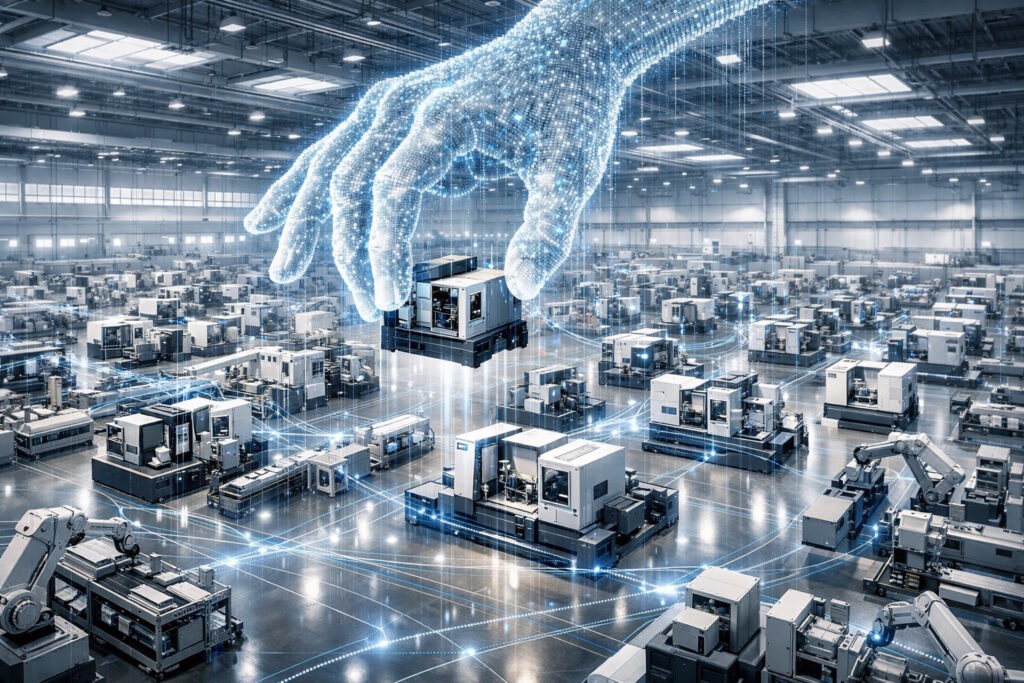
For many manufacturers, Industrial IoT started with a simple goal: connect machines, collect data, and gain better visibility. That first step still matters, but visibility alone is no longer enough. Once teams can see what is happening in real time, they want to respond faster and make changes with less disruption. That is where software-defined automation comes in. It shifts automation away from rigid, hardware-bound setups and toward a more flexible, software-led model. In simple terms, Industrial IoT helps you see more, while software-defined automation helps you change more.
The Dashboard Is Not the Destination
Connected systems create a useful first layer. They help teams monitor assets, track downtime, and make better decisions. Siemens says IIoT gives manufacturers real-time insights across plants, systems, machines, and products. Rockwell says IIoT platforms use analytics and dashboards to improve efficiency and inform decisions on the factory floor. That is valuable, but it is still only part of the story.
The next question comes quickly. If the data shows a bottleneck, a quality issue, or repeated downtime, how hard is it to respond? Traditional automation can be reliable, but it can also be slow to reshape. Schneider says open software-defined automation decouples control from hardware and improves agility, portability, and scalability. IoT Analytics makes the same market-level point. It says software-defined manufacturing is increasingly replacing rigid, hardware-centric automation.
So What Does Software-Defined Automation Mean in Plain English?
At a surface level, it means automation starts to behave more like software and less like a fixed appliance. Siemens says the industry is shifting from hardware-based devices to software-defined functionalities and using IT-like update and management mechanisms in OT. Rockwell uses similar language. Its software-defined automation page highlights Automation DevOps, CI/CD workflows, automated testing, digital twins, and IT-like lifecycle experiences.
You do not need every acronym to understand the appeal. If the logic layer becomes more portable and the management layer becomes more centralized, plants can update and scale with less friction. Siemens’ S7-1500V shows that shift in a simple way. Siemens describes it as a hardware-independent virtual PLC delivered through Industrial Edge. Rockwell’s design pages point in the same direction. They describe cloud-based design tools, automated sharing and merging of changes, and modern version control for design teams.
Why Industrial IoT Needs a More Flexible Backbone
Why does this matter for IIoT? Because connected operations create more opportunities to improve, but they also expose how slow change can be. When data shows downtime, wasted energy, or unstable output, the next question is immediate. Can we do something about it quickly? Schneider says software-defined architectures create a flexible base that integrates with cloud platforms, analytics tools, and enterprise systems. It also says these architectures help companies adopt edge computing, AI, and IoT without major infrastructure changes.
IIoT gives companies visibility and context. Software-defined automation makes it easier to act on that information without rebuilding everything around one hardware choice. One helps you understand the operation. The other helps you adapt it with less disruption. Taken together, they move the story from simple connectivity to operational flexibility.
The Trend Line Behind the Buzz
This shift is not just theoretical. Major automation vendors now frame production as more flexible, modular, and software-led, while industry events such as HANNOVER MESSE place software-defined factory themes alongside IIoT and cloud discussions. That broader framing suggests the conversation is moving beyond connectivity alone.
There is also a practical reason the topic resonates. Many plants are not starting from scratch. They have legacy systems, mixed vendors, and long equipment life cycles. IoT Analytics notes that integration is often slowed by legacy environments, disconnected IT and OT teams, security concerns, and incompatible standards. That makes flexibility more than a nice idea. It makes flexibility a business need.
What Should Readers Take Away?
If you are new to this topic, the simplest takeaway is this. Connected industry is entering a second phase. The first phase focused on connection, dashboards, and visibility. The next phase focuses on flexibility, updates, and faster response. You are not leaving Industrial IoT behind. You are seeing what happens when connected data starts to influence how automation itself is built and managed.
That shift can bring real benefits. It can support easier scaling, smoother collaboration, and less friction when new tools need to connect to older systems. It can also widen the path to cloud, edge, analytics, and AI. Schneider makes that point directly in its explanation of open software-defined automation. Siemens and Rockwell make it visible in the products they now emphasize, from centralized app management to cloud-native design environments and virtual controllers.
Conclusion: Industrial IoT Is Becoming a Change Story, Not Just a Data Story
Industrial IoT still starts with connected assets, live data, and better visibility. That part has not changed. What is changing is the expectation that follows. Teams no longer want connected systems that only report what happened. They want operations that can adjust faster when demand, equipment, or business needs shift. Software-defined automation matters because it gives connected industry a more flexible way to do that.
If you want a simple way to remember the idea, think of it like this: Industrial IoT helps you understand what is happening, while software-defined automation helps you respond with less friction. That is why the two belong in the same conversation.
If you want to keep following where Industrial IoT, automation, and connected manufacturing are headed, Tech Scope Connect is a thoughtful place to stay engaged through expert discussions, live newscasts, and industry conversations. Join now!
Sources:
- Siemens IIoT Platform Solutions | siemens.com
- Software-Defined Automation | siemens.com
- Open, Software Defined Automation | se.com
- What Is the IIoT? | plex.rockwellautomation.com
- Industrial Internet of Things (IIoT) | plex.rockwellautomation.com
- 8 Notable Developments in Software-Defined Manufacturing | iot-analytics.com
- Software-Defined Automation | rockwellautomation.com
- Simatic S7-1500V Virtual PLC – Software PLC | siemens.com
- New FactoryTalk Design Hub Speeds Time to Market | rockwellautomation.com
- FactoryTalk Hub Design Software | rockwellautomation.com
- Hannover Messe Event Series 2026: Automation & Digitalization – Masterclasses | hannovermesse.de
- Smarter Manufacturing With Industrial Edge Computing | siemens.com