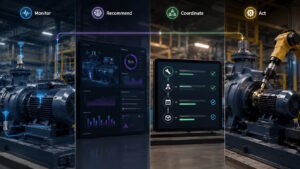

Key Takeaway: IoT and sustainability can work well together, but the results are not automatic. Connected systems can reduce waste, improve efficiency, and support smarter decisions when they serve a clear goal. The gap appears when projects focus on technology alone, ignore lifecycle impact, or collect data without action. Closing that gap requires thoughtful design, practical measurement, and a long-term plan for real environmental value.
A Smart Promise with Real Stakes
IoT and sustainability now appear together in almost every conversation about smarter buildings, cleaner industry, and efficient operations. Across offices, plants, campuses, and cities, connected devices, smart systems, and sensor-driven tools promise less waste and better environmental performance. The appeal is clear. Leaders want better visibility, lower costs, and stronger results. They also need practical answers to energy pressure, resource limits, and rising expectations.
The promise is real, but it does not appear the moment a device comes online. Many organizations assume that a connected system will naturally produce greener outcomes. In practice, the picture is more mixed. Some projects reduce waste and improve efficiency. Others add complexity, create more data than anyone can use, or miss the original goal.
You might ask a fair question: can smart devices really help the planet? They can, and in some cases they do so in meaningful ways. Still, value depends on what the system measures, how people use the data, and whether the hardware fits long-term plans. That gap does not mean the technology failed. More often, it points to weak design, blurry priorities, or a poor link to the desired outcome.
Where IoT and Sustainability Meet the Real World
The case for connected technology remains strong. Sensors can spot waste that people miss. Building systems can adjust lighting, heating, and cooling with greater precision. Industrial equipment can signal maintenance needs before a costly breakdown. Water systems can flag leaks early. Fleet tools can reveal inefficient routes or idle time.
These examples explain why interest remains high. Better visibility often leads to better decisions, and better decisions can improve both cost and environmental performance. That is why the topic keeps attracting attention across industries.
When smart systems miss the mark
The gap appears when organizations treat connectivity as the finish line. A new layer of devices can collect useful information, but information alone does not solve a problem. A dashboard may look impressive while energy use stays flat. A sensor network may expand while no one owns the next step.
The hardware itself also carries a footprint. Devices need materials, power, updates, and eventual replacement. Cloud storage and data processing consume resources too. When a project ignores that full picture, the sustainability story weakens. The system may still offer value, but the value becomes harder to prove.
Short device lifecycles create another problem. Some equipment becomes hard to repair or update far too soon. Batteries fail. Software support ends. A promising pilot can then turn into electronic waste instead of long-term value.
Fragmented systems widen the gap. One team tracks energy. Another tracks maintenance. A third team manages sustainability reporting. If those groups rarely connect, the organization sees pieces of the story, not the full picture.
From Smart Hype to Smarter Results
The good news is encouraging. Organizations can close the gap when they begin with the problem, not the gadget. A stronger project starts with a simple question. Is the goal to cut energy use in a building? Reduce water loss? Extend equipment life? Improve material efficiency? That focus keeps the system tied to a real purpose.
How IoT and sustainability work better together
A more thoughtful approach usually looks less flashy. It favors the right amount of data over endless data. It connects measurements to decisions people can actually make. It also considers the life of the system, from procurement to maintenance to replacement.
This shift gives the project a firmer foundation. A smart deployment should support an operational goal and an environmental goal at the same time. When those goals align, the technology becomes more useful and more credible. The result may look modest at first, yet it often delivers stronger long-term value.
Measurement deserves more attention as well. Many projects begin with hopeful claims about future savings. Fewer projects define a baseline and verify what changed over time. Without that discipline, sustainability becomes a marketing phrase instead of a demonstrated result. Readers often ask what separates a serious effort from a shiny pilot. In many cases, the answer is simple: proof.
People still shape the outcome. Teams need clear ownership, and someone must review the data, adjust operations, and follow through. When nobody acts, even the best system turns quiet and expensive. Mature organizations stand out here. They do not chase sensors for their own sake. They build connected systems that help maintenance teams, facility managers, operators, and sustainability leaders work with more confidence.
The Questions That Shape Better Projects
Before deployment begins, a few basic questions can improve the outcome. What problem needs attention first? Which data point will help solve it? How long should the hardware remain useful? Who will respond when the system flags a problem? How will the team verify progress after six months or a year?
These questions sound simple, yet they move the conversation in a healthy direction. They shift attention away from novelty and toward performance. They also protect organizations from buying more technology than they need. This approach keeps the tone realistic without turning cynical.
Connected systems can help reduce waste, improve uptime, and support environmental goals. They simply work best when sustainability enters the project at the beginning, not as a label added later. For many readers, that may be the central takeaway. The debate is not really about whether smart technology is good or bad. The real issue is whether a deployment reflects clear priorities, practical design, and honest measurement.
Conclusion: Closing the Gap with Better Intent
The future of connected technology looks promising, but promise alone is never enough. The strongest projects pair smart devices with clear goals, careful planning, and a realistic view of lifecycle impact. They treat data as a tool for action, not as a substitute for action. They also remember that sustainability depends on choices made long before the first dashboard goes live.
IoT and sustainability belong in the same conversation, yet the link grows stronger when organizations design for lasting value. That is where trust grows, results improve, and smart systems earn their name.
If you want to stay engaged with these topics, Tech Scope Connect covers how connected technology and sustainability are taking shape across industries through live newscasts, expert discussions, and industry events. Join now!