Key Takeaway: Smart technology is evolving from systems that primarily monitor and report information into adaptive systems that can respond, optimize, and adjust to changing conditions. Powered by advances in AI, edge computing, and real-time analytics, adaptive systems help organizations move beyond visibility toward more responsive operations across buildings, manufacturing, transportation, energy, and other industries. The future of smart technology is not just about collecting data—it is about using intelligence to support better decisions and outcomes in real time.
Smart technology is entering a new stage, and the shift is becoming hard to ignore. For years, connected systems and intelligent infrastructure helped organizations monitor buildings, machines, cities, energy networks, and everyday operations. They gave teams better visibility, faster alerts, and more useful data. Now, the next wave is moving beyond simple awareness. Systems are starting to adjust, respond, and improve based on what happens around them.
That is the move from smart systems to adaptive systems. For many people, “smart” still means a device or platform that collects information and makes life easier. A smart thermostat learns your schedule. A smart meter tracks energy usage. A smart building shows occupancy patterns. A smart factory dashboard reports machine performance. These tools are valuable because they help people see what is happening.
But the next question is bigger. What happens when systems do more than report the problem? What happens when they start responding to it? That is where adaptive systems come in. They do not just watch conditions change. They help manage those changes in real time. This makes the future of smart systems more active, responsive, and useful across industries.
From Helpful Tools to Responsive Environments
The first generation of smart systems gave organizations something they badly needed: visibility. Before connected sensors, many teams relied on manual checks, delayed reports, and scattered data. A facility manager might not know where energy waste was happening. A manufacturer might discover equipment issues only after production slowed. A city might track congestion after traffic had already backed up.
Smart systems changed that pattern. They measured temperature, motion, vibration, energy use, location, air quality, and many other conditions. Then they turned those signals into dashboards, alerts, and reports. This helped people make better decisions.
In simple terms, the system could say, “Here is what is happening.” That alone created major value. Yet today’s operating environments move faster. Buildings have shifting occupancy. Energy systems depend on variable renewable sources. Supply chains face sudden disruptions. Cities need better ways to handle mobility, safety, and infrastructure demand.
Visibility still helps, but it cannot carry the whole load. Organizations now need systems that can sense a change and adjust before small problems grow larger. That shift changes the role of technology. It turns connected tools into responsive environments.
Why Smart Technology Is Moving Beyond Monitoring
Smart technology has reached an important turning point. Monitoring helped organizations understand their systems, but understanding does not always create action. Think about a building that reports high energy use every afternoon. The dashboard shows the pattern clearly. The facilities team can see the issue. But someone still needs to review the data, identify the cause, and decide what to change.
An adaptive building goes further. It may adjust cooling based on occupancy. It may reduce lighting in unused areas. It may shift energy loads during peak demand. It may balance comfort and efficiency without waiting for constant human input.
The same idea applies in other settings. A smart factory can detect that a machine is running outside its normal range. An adaptive production system can reroute work, adjust schedules, or flag the issue before downtime spreads. A smart traffic system can show congestion on major roads. An adaptive mobility system can change signal timing, guide drivers to alternate routes, or support public transit flow.
This does not remove people from the process. It changes what people focus on. Instead of reacting to every alert, teams can oversee larger patterns, review exceptions, and guide strategy. The system handles more routine adjustments. People handle judgment, priorities, and accountability.
The Big Difference: Knowing Versus Adjusting
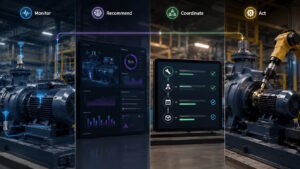
A smart system usually answers a basic question. What is happening? An adaptive system asks a more advanced question. What should change now? That difference sounds small, but it has major implications. A system that only reports information still depends heavily on people to interpret every signal. A system that adapts can support action while conditions unfold.
Imagine a power grid managing more solar, wind, batteries, electric vehicles, and distributed energy resources. A traditional system can report supply and demand. An adaptive system can help balance loads, shift resources, and respond to changing conditions.
Or consider cybersecurity. A monitoring tool may detect unusual network behavior. An adaptive security system may isolate a suspicious device, trigger added verification, or adjust access controls. Human teams still investigate, but the system reduces the delay between detection and response.
The value comes from speed and context. Adaptive systems can work closer to the moment of change. They can also learn from repeated patterns. Over time, this gives organizations a better way to manage complexity without overwhelming their teams.
The Technologies Behind the Shift
Adaptive systems do not appear from one technology alone. They come from several technologies working together. Sensors collect signals from physical environments. Cloud platforms store and organize large amounts of data. Edge computing brings processing closer to machines, buildings, vehicles, and infrastructure. Artificial intelligence helps systems recognize patterns and recommend actions.
Digital twins also play a growing role. They create virtual models of physical assets, processes, or environments. These models help teams test scenarios and understand how changes may affect performance. Together, these technologies help systems move from passive reporting to active adjustment.
A helpful way to think about it is this: smart systems gave organizations eyes and ears. Adaptive systems add faster reflexes. That does not mean every adaptive system needs to be fully autonomous. Many still keep humans in the loop. In fact, the best approach often combines automated response with human oversight. The goal is not to let systems make every decision alone. The goal is to help people manage more complexity with better timing and stronger support.
Where Smart Technology Becomes Adaptive in Everyday Life
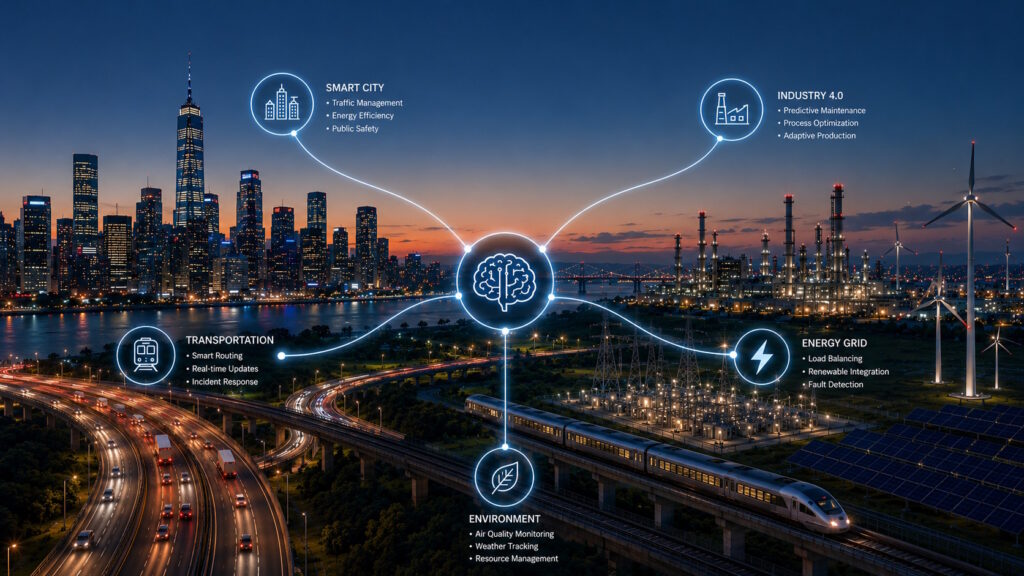
Smart technology already appears in places most people recognize. The adaptive layer makes those places more dynamic. In buildings, systems can adjust heating, cooling, lighting, and ventilation based on actual use. This can improve comfort while reducing waste. Instead of running the same schedule every day, the building responds to how people use the space.
In manufacturing, adaptive systems can help production lines respond to equipment conditions, material availability, and quality signals. This supports uptime and efficiency without forcing teams to chase every small issue manually.
- In transportation, adaptive systems can improve traffic flow, public transit timing, and route planning. The goal is not only to collect mobility data. The goal is to help networks respond as demand changes.
- In energy, adaptive infrastructure can support cleaner and more flexible systems. As renewable energy grows, grids need better ways to balance supply, demand, storage, and distributed resources.
- Even customer experience can become more adaptive. Service platforms can route requests, suggest next steps, and personalize support based on context. The experience feels smoother because the system reacts to what the customer needs.
These examples show a larger pattern. The next stage of intelligent systems will depend less on static rules and more on continuous adjustment.
Why Businesses Should Pay Attention
Business leaders do not need to understand every technical layer to see the importance of this shift. Adaptive systems can help organizations move faster, reduce waste, and respond better to change. They can also support resilience. When conditions shift suddenly, adaptive systems can help operations keep moving.
This matters across industries. A facility team may want lower energy costs and better workplace comfort. A manufacturer may want fewer disruptions. A city may want safer and smoother mobility. A utility may want a stronger grid. A healthcare organization may want better resource coordination.
Different industries have different goals, but the direction is similar. Organizations want systems that do more than collect data. They want systems that support action. Still, adaptation should not happen without governance. Businesses need clear rules, human oversight, cybersecurity, and accountability. As systems take on more decisions, leaders need to understand where automation helps and where human review remains essential. That balance will shape the next chapter.
Conclusion
The future of connected systems will not be defined by how many devices report data. It will be defined by how well those systems respond to real-world change.
Smart systems helped organizations see more clearly. Adaptive systems help them act with better timing. That shift can improve buildings, factories, cities, energy networks, transportation, and enterprise operations.
For readers asking, “What comes after smart systems?” the answer is becoming clearer. The next step is not just more dashboards or more alerts. It is technology that can learn from conditions, adjust to new demands, and support better outcomes.
This evolution will not happen all at once. Many organizations will still rely on monitoring tools for years. But the direction is already taking shape. The smartest environments will not simply observe what happens. They will adapt as conditions change.
As smart technology continues to evolve, adaptive systems will become a bigger part of how organizations operate, compete, and build for the future.
Want to stay informed about where intelligent systems are headed next? Tech Scope Connect explores emerging trends in AI, IoT, automation, and adaptive technologies through expert insights, live discussions, and conversations about the future of innovation. Join the conversation and stay connected to the ideas shaping tomorrow’s connected world.