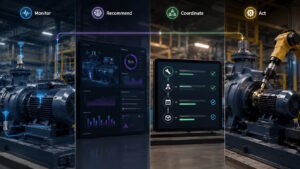

Key Takeaway: Resilient infrastructure is becoming invisible infrastructure in smart cities because the most effective systems prevent disruptions before people notice them. By combining connected technologies such as IoT, cloud computing, edge computing, and AI, cities can keep essential services running more reliably. As urban environments become increasingly connected, success will be measured not by how visible the technology is, but by how seamlessly it supports everyday life.
The Systems We Only Notice When They Break
Smart cities are making infrastructure feel less visible, even as urban systems grow more connected and complex. In connected cities, intelligent urban infrastructure works behind the scenes to keep roads moving, power flowing, services available, and digital city systems responsive. Most people do not notice these systems on an ordinary day. They notice them when the lights go out, an app fails, a train stalls, or an emergency alert does not arrive.
That simple reality gives this topic its weight. Modern cities depend on networks of energy, communications, transportation, cloud platforms, sensors, and data tools. These systems now shape daily life in quiet ways. They help traffic signals adjust, utilities spot outages, agencies monitor public safety, and businesses stay connected.
The best version of this infrastructure does not shout for attention. It works so smoothly that people continue with their day. Resilience becomes visible only when something threatens to break the rhythm.
Why Smart Cities Are Making Infrastructure Fade Into the Background
For years, the phrase “smart” pointed to visible technology. It brought to mind sensors, dashboards, apps, connected devices, and control rooms. Those tools still matter. Yet the bigger story now involves reliability.
A city can collect endless data and still struggle during a blackout. It can install connected traffic lights and still create chaos after one system fails. It can offer digital services and still frustrate residents when platforms go offline.
Resilient infrastructure goes one step further. It does not only observe what happens. It helps systems prepare, adapt, continue, and recover. The goal sounds simple: keep essential services running with less disruption.
You might ask, “What makes infrastructure resilient?” At a basic level, it comes down to awareness, flexibility, and backup options. A resilient system can detect stress early. It can shift resources when demand changes. It can route around a weak point. It can recover without turning a small issue into a public crisis.
This is where the idea of invisible infrastructure becomes useful. People do not need to see every adjustment. They only need life and work to continue.
From Stronger Systems to Quieter Systems
Older infrastructure planning often focused on strength. Builders tried to make systems bigger, harder, and longer-lasting. That approach still has value, especially for roads, bridges, water systems, and electrical assets.
But strength alone no longer answers every problem. Cities now face fast-moving risks. Weather patterns can change quickly. Cyberattacks can target public systems. Traffic can shift within minutes. Energy demand can spike. A software outage can ripple across public and private services.
So the conversation has expanded. Resilience now includes the ability to bend without breaking. It also includes the ability to keep people from feeling every strain.
Think about a communications network during a major event. If one route becomes congested, the system may move traffic through another path. Most users never see that adjustment. They only know their call connects, their message sends, and their map still loads. That is invisible infrastructure at work.
What invisible infrastructure looks like in smart cities
Invisible infrastructure does not mean hidden wires and secret control rooms. It means connected systems that support daily life without forcing people to think about every layer underneath.
- In energy, this could mean a grid that detects a fault and restores service faster. It could mean local power resources that support critical sites during an outage. It could also mean better coordination between renewables, storage, and demand.
- In transportation, it could mean traffic signals that respond to congestion. It could mean buses that adjust schedules based on real-time conditions. It could mean emergency vehicles receiving better routing through busy streets.
- In public services, it could mean agencies seeing problems sooner. Water systems can detect leaks before they cause major damage. Waste systems can optimize collection routes. Public safety teams can coordinate faster during storms, fires, or large gatherings.
Cloud and edge systems also play a role. Cloud platforms help cities manage data, applications, and services at scale. Edge systems support decisions closer to where events happen. For example, a hospital, utility site, or transit network may need fast local response when a central system slows down. This does not require every reader to understand the technical stack. The everyday result matters more. Services feel steadier. Delays feel shorter. Disruptions feel less chaotic.
Why the Cloud, Edge, and IoT Now Sit Behind Daily Life
The city experience now depends on digital layers. That includes sensors, software, networks, data platforms, and automated workflows. These layers connect physical assets to digital awareness.
- The Internet of Things helps cities understand what happens in the real world. Sensors can track traffic, energy use, air quality, water pressure, equipment health, and building conditions. That information gives operators a clearer picture.
- Cloud computing helps store, analyze, and coordinate that information. It also supports applications that agencies, businesses, and residents use every day.
- Edge computing brings some intelligence closer to the action. This can help when time, safety, or connectivity make local response important.
- Artificial intelligence adds another layer. It can help spot patterns, forecast demand, flag unusual behavior, and support faster decisions. In a beginner-friendly view, AI helps systems notice things that people may miss.
Together, these technologies can make infrastructure feel calmer from the outside. Behind the scenes, many small adjustments may happen all the time.
Reliability Is Becoming Part of the User Experience
People often think of user experience as a website, app, or interface. In modern cities, reliability has become part of that experience.
A resident does not separate the bus app from the transit system. A business does not separate cloud access from daily operations. A hospital does not separate power quality from patient care. A commuter does not separate traffic signals from time lost on the road.
When infrastructure works well, it builds trust. People may not praise the system every morning. They simply rely on it more. That quiet trust has real value.
For governments, reliable systems can improve public confidence. For businesses, they can reduce downtime and protect customer relationships. For communities, they can improve safety, access, and quality of life.
The more connected a city becomes, the more important this trust becomes. A single weak point can create a wider problem. A resilient design helps limit that spread.
The Human Side of Resilience
It is easy to make this topic sound mechanical. Yet resilience has a very human purpose. A working traffic system helps someone get home earlier. A stable power system keeps food, medicine, and equipment safe. A reliable network helps families communicate during emergencies. A strong cloud platform keeps small businesses serving customers.
So when people ask, “Why should I care about resilient infrastructure?” the answer reaches beyond technology. It affects time, safety, convenience, confidence, and continuity.
This also changes how leaders should talk about innovation. The most impressive technology does not always look dramatic. Sometimes it simply prevents a bad day from getting worse. That may be one of the clearest signs of progress.
The Future: Cities That Adapt Before We Notice
The next phase of urban infrastructure will likely feel less like a collection of separate systems. Energy, transportation, communications, buildings, public safety, and digital services will become more connected.
That connection brings opportunity. It can help cities coordinate responses, manage resources, and improve planning. It can also raise new questions about governance, privacy, security, cost, and public trust.
For a top-level view, the direction feels clear. Cities will need systems that do more than gather data. They will need systems that interpret conditions, support timely action, and keep services available under pressure.
The most advanced infrastructure may not be the most visible. It may be the network of quiet decisions that helps a city keep functioning when conditions change.
Conclusion: The Best Infrastructure Lets Life Continue
People usually notice infrastructure when it interrupts them. They notice the outage, the delay, the failed login, the broken signal, or the emergency response gap.
Resilient infrastructure aims for a different outcome. It helps problems stay smaller, services recover faster, and daily life continue with less friction. In connected urban environments, that kind of reliability can become one of the strongest signs of progress.
The future of smart cities will not only depend on exciting new tools. It will depend on infrastructure that works quietly, adapts smoothly, and protects the routines people count on every day.
If you’re curious about where technology is headed next, Tech Scope Connect offers a place to explore new ideas, hear from industry experts, and stay connected with the conversations driving innovation. Join now!