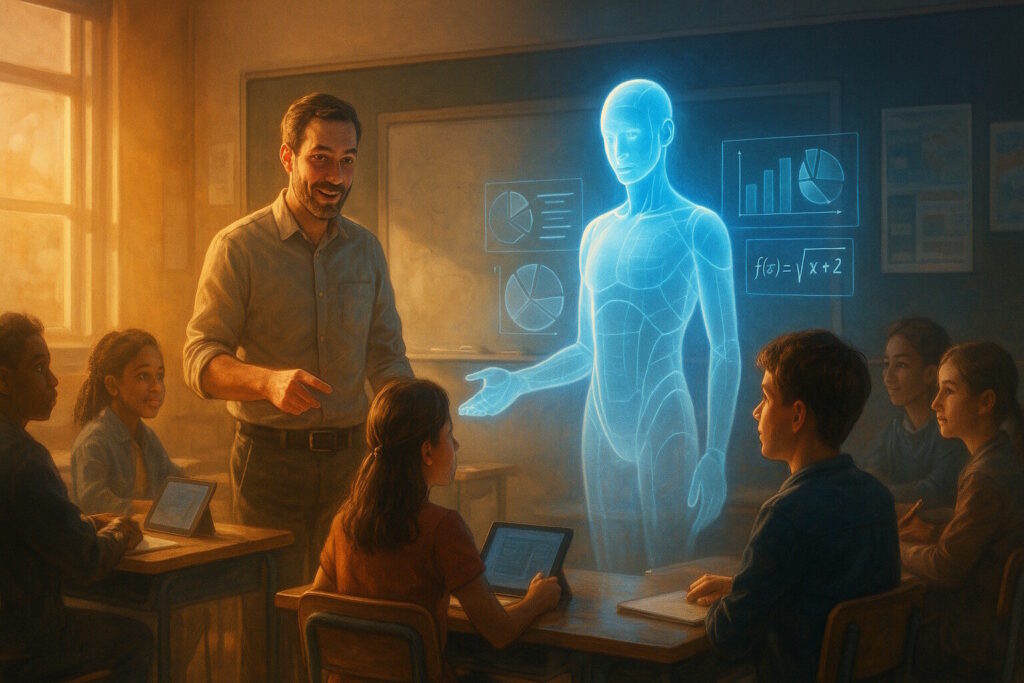
Quick Answer: Generative AI in education is unlikely to replace teachers, but it can significantly enhance their roles. While AI tools can automate tasks and support personalized learning, they lack the human connection, emotional intelligence, and adaptability that teachers bring to the classroom. When used responsibly, generative AI can help educators save time, reach diverse learners, and focus more on meaningful interactions—helping them shine, not disappear.
Generative AI in education is making headlines—and for good reason. With tools like ChatGPT, Google Gemini, and Claude entering classrooms, both excitement and concern are rising. Some see these technologies as helpful teaching aids. Others worry they’ll push educators out of the picture.
Whether you’re a teacher, parent, student, or school administrator, you might be wondering: Will generative AI in education actually change how we teach and learn? Or is this just another tech fad?
Let’s explore how this technology is showing up in schools, what the potential risks are, and whether it’s here to replace—or support—teachers.
What Is Generative AI in Education Actually Doing Right Now?
If you’re asking, “How is generative AI being used in classrooms?”, you’re not alone. Many people are just starting to understand what these tools do.
Generative AI refers to artificial intelligence systems that can create new content. That could mean text, images, music—or even lesson plans. In schools, it’s being used to:
- Write reading comprehension questions from textbooks
- Suggest feedback on student essays
- Generate practice quizzes
- Create summaries of complex topics for quick review
- Translate educational content for multilingual learners
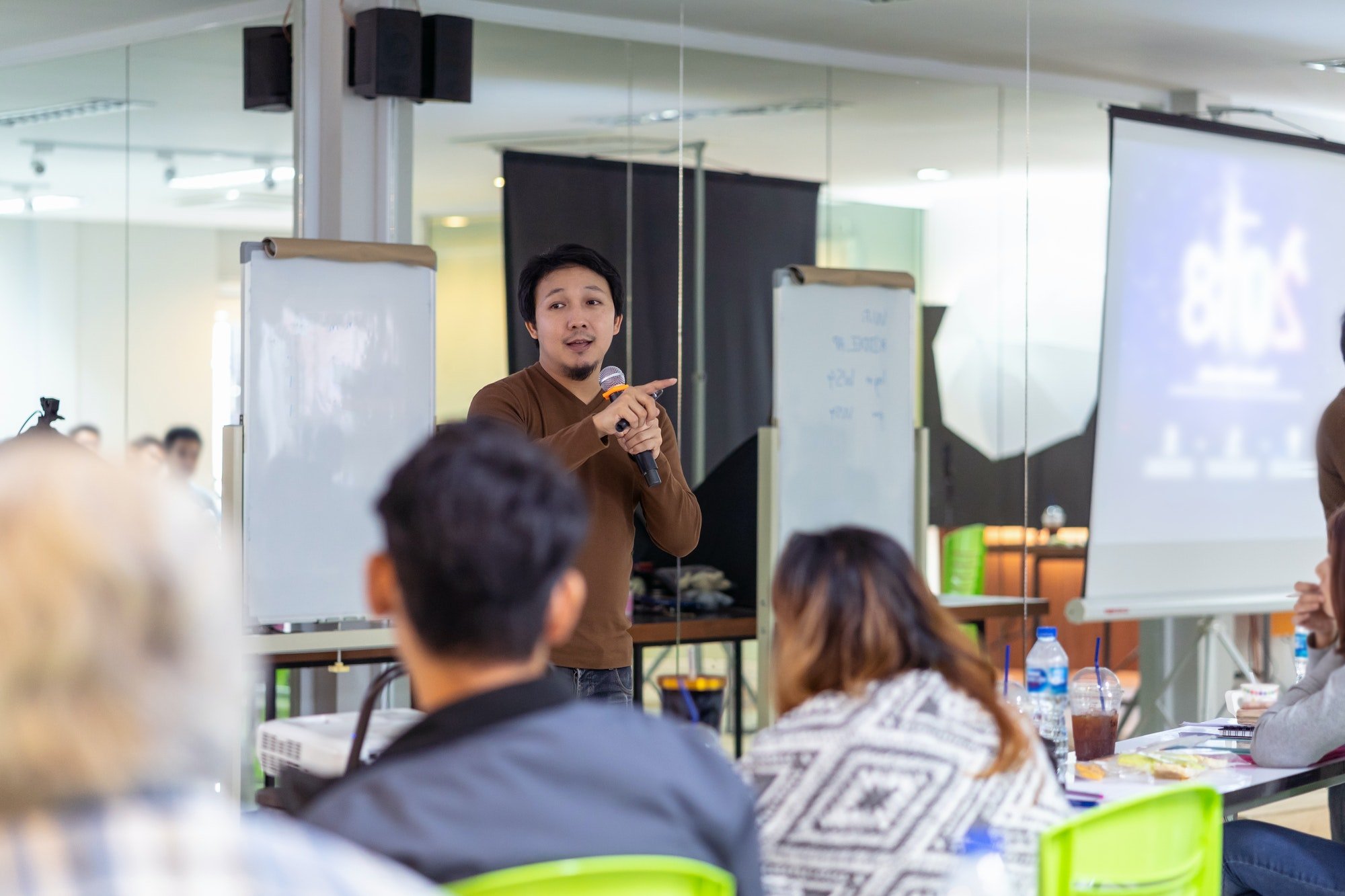
Some teachers are using AI-powered tools to save time. Instead of spending hours preparing materials, they can let AI draft content and simply edit or personalize it. For students, AI tools can answer questions on-demand, offer study tips, or help them explore new ideas.
But does that mean AI is taking over?
Is This the End of the Teaching Profession?
It’s a fair question: Could AI replace teachers altogether?
Technically, generative AI can deliver lessons, provide feedback, and even hold conversations. So in theory, yes—it could take over some tasks teachers perform.
But let’s pause for a moment.
Teaching isn’t just about delivering information. It’s about building relationships, adapting to classroom dynamics, and understanding emotional cues. Students often learn best through human connection, mentorship, and encouragement—things AI isn’t very good at.
Most education experts agree that AI won’t replace teachers, at least not in the foreseeable future. Instead, it may shift the teacher’s role. Rather than being the sole source of knowledge, teachers might become more like guides—coaching students, facilitating discussions, and using AI as a tool.
So no, it’s not the end of teaching. But it might be the end of doing things the old way.
Can Generative AI in Education Help Teachers Shine?
Let’s flip the question.
What if AI doesn’t replace teachers—but helps them thrive?
Many educators are already seeing the benefits of AI:
- Time savings: AI can automate repetitive tasks like grading quizzes or formatting worksheets. This frees up time for lesson planning, student engagement, and professional development—things that often fall through the cracks.
- Personalized learning: AI tools can adjust content based on a student’s level, pace, or interest. That means struggling students get more targeted support, while advanced learners can move ahead without waiting.
- Accessibility: AI can offer real-time translation, speech-to-text, or visual aids for students with different needs. This levels the playing field for students who face language, cognitive, or physical challenges.
Think of it this way: Just as calculators didn’t eliminate math teachers, AI won’t eliminate educators. Instead, it can take over the busywork and give teachers more time for one-on-one support and creative instruction.
Of course, this only works if schools provide proper training, tools, and boundaries. Like any technology, AI is only as helpful as the way it’s used.
Looking Ahead: Finding the Right Balance in the Classroom
There’s no doubt that generative AI is here to stay. But the real question is: How do we use it responsibly?
That might mean:
- Setting clear guidelines for student use: Students need to understand when and how AI is appropriate. Without guidance, they may rely on it for shortcuts rather than support, undermining their learning.
- Training teachers to use AI tools confidently and ethically: Many educators are eager but unsure where to start. Professional development programs must be practical, ongoing, and tailored to real classroom scenarios.
- Making sure AI-generated content is accurate and appropriate: AI tools can make mistakes or produce biased responses. Educators should always review AI outputs to ensure alignment with curriculum and standards.
- Balancing AI tools with traditional teaching methods: Technology should enhance—not replace—human interaction. Group discussions, hands-on projects, and face-to-face mentoring remain irreplaceable parts of learning.
The future of AI in classrooms won’t be determined by the tools alone, but by the choices schools, educators, and policymakers make.
Conclusion
Generative AI in education has opened the door to exciting possibilities—but it also invites caution and curiosity in equal measure.
The big takeaway? AI is not the enemy of teachers. When implemented thoughtfully, it can act as a classroom assistant, a personalized tutor, and an accessibility bridge—all at once. But to unlock that potential, schools must invest in teacher support, student digital literacy, and clear usage frameworks.
The conversation is just beginning—and everyone in the education ecosystem has a role to play in shaping the outcome.
Discover how AI is reshaping the future alongside a community that’s asking the same questions. Tech Scope Connect brings together expert voices, live discussions, and real insights. Be part of the dialogue, join us today!