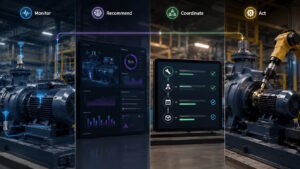

Key Takeaway: AI climate change mitigation is helping drive sustainability by improving forecasting, reducing emissions, optimizing energy use, and enabling faster environmental response. Through smart modeling, logistics, and monitoring tools, artificial intelligence is reshaping how we approach climate solutions—making them more efficient, scalable, and actionable.
AI climate change mitigation is quickly becoming one of the most talked-about strategies for creating a more sustainable future. As climate risks rise, so does interest in using artificial intelligence, machine learning, and data-driven tools to fight back. But what does this actually look like in practice?
If you’re curious about how AI is helping us reduce emissions, protect ecosystems, and transition to clean energy, you’re in the right place. This article offers a simple, high-level overview of how AI is transforming sustainability efforts. No jargon, no deep tech—just clear insights to get you thinking.
Let’s explore how smart technology is tackling climate challenges one step at a time.
How AI Climate Change Mitigation Is Making a Real Difference
Below are seven examples that show how artificial intelligence is already shaping a more sustainable world. These solutions aren’t science fiction—they’re happening right now.
1. Smarter Climate Models for Better Forecasting
You’ve probably heard that predicting the weather is tough. But what about forecasting long-term climate trends?
AI is helping scientists crunch huge amounts of data to build more accurate climate models. By analyzing historical patterns, satellite data, and atmospheric trends, AI can improve our understanding of extreme weather, rising sea levels, and future temperature shifts.
These smarter models allow cities and industries to plan infrastructure and disaster response with fewer surprises. That kind of foresight could save lives and billions in damages.
2. Predicting Wildfires Before They Spread
Wildfires are becoming more frequent and intense. Early detection is critical.
AI tools can analyze heat maps, weather data, and vegetation patterns to predict where wildfires might start. Some systems even use drones or satellite imagery to scan large areas in real time.
This helps firefighters act faster and direct resources to the most vulnerable zones. The earlier the response, the lower the destruction.
3. Optimizing Renewable Energy Use
Ever wonder how we can make solar or wind energy more reliable?
AI helps forecast renewable energy supply based on weather predictions. For example, if it knows the sun will shine less tomorrow, it can adjust the grid today.
This minimizes energy waste and reduces reliance on backup fossil fuels. Over time, it makes clean energy more consistent and affordable.
4. Reducing Waste Through AI-Powered Logistics
Transportation and supply chains are huge contributors to emissions and waste. Here’s where AI steps in.
By analyzing routes, traffic, and delivery patterns, AI can help companies optimize their logistics. This means fewer empty trucks, shorter delivery times, and less fuel burned.
Even small changes at scale—like smarter warehouse layouts or delivery sequencing—can result in major emission reductions. Efficiency is good for the planet and the bottom line.
5. Cutting Emissions with Smarter Cities
Cities produce over 70% of global carbon emissions. Making them smarter is key to sustainability.
AI-powered systems can manage traffic flow, monitor air quality, and even control lighting and heating in public buildings. Think of it like a digital brain for the city—always looking for ways to save energy and reduce emissions.
Smart traffic lights alone can cut idle time and pollution. When everything from buses to buildings runs more efficiently, emissions drop significantly.
6. Boosting Carbon Capture with AI Insights
Carbon capture is one of the more advanced tools in the fight against global warming. But it’s not just about machines sucking CO₂ out of the air.
AI can help identify the best locations for carbon capture facilities, monitor their performance, and even improve how they store or reuse carbon. This leads to smarter investments and better long-term results.
By modeling different strategies, AI can help engineers fine-tune systems that trap more carbon with less energy.
7. Monitoring the Planet from Above
AI is also keeping a close eye on Earth—literally.
By analyzing satellite images, AI can track deforestation, ice melt, ocean health, and more. These insights are vital for scientists, environmental groups, and policymakers.
Automated image analysis means faster detection of illegal logging or environmental damage. The planet becomes easier to protect when we can see what’s happening in near real-time.
The Future of AI Climate Change Mitigation Is Just Getting Started
Artificial intelligence won’t solve climate change on its own—but it’s quickly becoming one of the most powerful tools in our sustainability toolkit. From forecasting extreme weather to improving the way we use clean energy, AI climate change mitigation is reshaping how we respond to environmental challenges.
And this is just the beginning.
The more we invest in responsible, innovative AI solutions, the more we can push toward a future where technology and nature work in harmony.
Looking to explore more ideas at the intersection of AI, climate, and innovation? Join Tech Scope Connect for fresh insights, live discussions, and expert takes on where sustainability meets technology.