The Big Picture: IoT is the engine of circular green tech—extending device life through predictive maintenance, making components traceable with smart labels and digital twins, and streamlining end-of-life recovery via sensor-enabled take-back and reverse logistics. By shifting product-as-a-service models and using data to guide refurbishment, manufacturers can extend product lifespans, recover valuable materials, and reduce both waste and emissions. While interoperability, data privacy, and IoT e-waste remain challenges, emerging tools (e.g., blockchain tracking, AI-assisted disassembly, low-power networks) are accelerating a practical, scalable circular economy.
As climate concerns and material scarcity intensify, the linear “take-make-dispose” model is proving unsustainable. Enter the circular economy—a regenerative system focused on minimizing waste, maximizing product use, and recovering value from materials at end-of-life. At the heart of enabling this shift in technology-driven sectors is green tech powered by the Internet of Things (IoT). By embedding intelligence into devices, infrastructure, and logistics, IoT plays a crucial role in designing products for longevity, managing lifecycle data, and optimizing end-of-life processes like recycling and take-back programs.
Extending Product Life with IoT-Driven Durability
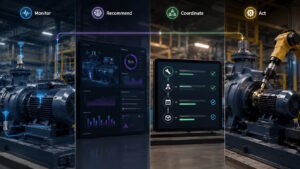
One of the pillars of a circular economy is product longevity—keeping devices in use for as long as possible. IoT enables this through predictive maintenance and usage analytics. Sensors embedded in machinery, electronics, or appliances can monitor wear and tear in real time, alerting users or technicians before a breakdown occurs. This not only reduces costly downtime but also avoids premature disposal of otherwise functional products.
For example, in industrial settings, IoT sensors track vibration, temperature, and electrical load to anticipate component failure. In consumer electronics, usage data can inform manufacturers of design weaknesses, leading to more durable future iterations. This continuous feedback loop—enabled by connected technology—empowers brands to design out waste from the outset.
Lifecycle Transparency Through Smart Labeling and Digital Twins
Tracking a product’s materials and components is vital for effective reuse, repair, or recycling. IoT makes this possible through smart labeling (e.g., QR codes, RFID tags, or embedded chips) and digital twin technology. A digital twin is a virtual representation of a physical product that stores information about its components, manufacturing history, usage patterns, and repairs.
Imagine a smart refrigerator that carries a digital logbook of all its parts, refrigerants, and maintenance history. When it reaches end-of-life, recyclers can easily identify which components are reusable, recyclable, or hazardous. This drastically improves the efficiency of reverse logistics and promotes material recovery at scale—a critical enabler of the circular model.
Smart Take-Back Systems and Reverse Logistics
IoT is also revolutionizing take-back and recycling operations. Traditional recycling systems often struggle due to contamination, lack of sorting, and limited information about the materials involved. IoT mitigates these issues through sensor-equipped recycling bins, automated sorting systems, and blockchain-based tracking of e-waste streams.
Smart bins in urban areas, for instance, can identify deposited devices, weigh contents, and notify waste managers when full—optimizing pickup schedules and reducing emissions. Meanwhile, logistics providers use IoT to track returnable assets and monitor environmental conditions during transport, ensuring safe and efficient recovery of valuable components.
Furthermore, some companies are implementing product-as-a-service (PaaS) models, where customers lease equipment instead of owning it. In these systems, IoT provides real-time usage data that informs maintenance schedules and determines when to refurbish, upgrade, or retire the product. Because the manufacturer retains ownership, there’s a stronger incentive to design for longevity and reclaim materials—creating a true circular loop.
Real-World Applications Across Sectors
The synergy of green tech and circular economy principles is already taking shape in several sectors:
- Consumer electronics: Brands like Fairphone use modular designs with IoT-enabled diagnostics, allowing users to easily repair or upgrade their devices.
- Industrial equipment: Companies like Caterpillar track heavy machinery performance to extend service life and refurbish parts at end-of-use.
- Retail and fashion: RFID tags and IoT inventory systems help brands recover and repurpose unsold or returned goods instead of sending them to landfills.
- Automotive: Electric vehicles (EVs) and batteries are increasingly designed with embedded sensors to support second-life applications and recycling.
Challenges and Future Innovations
Despite the promise, several hurdles remain. Interoperability, data privacy, and standardization are ongoing concerns. For circular systems to function smoothly, data must flow securely across manufacturers, recyclers, and users—something current platforms don’t always support.
There’s also the paradox of IoT e-waste itself. If not designed responsibly, the proliferation of sensors and chips could contribute to the very waste problem green tech aims to solve. This highlights the importance of developing eco-design standards and energy-harvesting sensors that extend the lifespan of connected devices without heavy energy inputs.
Emerging innovations like blockchain for material traceability, AI-powered disassembly robots, and low-power wireless networks will be crucial in scaling circular practices further.
Conclusion
The circular economy offers a compelling vision for a sustainable future—and IoT-powered green tech is the connective tissue making it viable. By enabling smarter design, real-time lifecycle tracking, and efficient recovery systems, IoT turns linear consumption into a regenerative loop. As industries embrace circular principles, the integration of intelligent, connected systems will be key to reducing resource strain, minimizing emissions, and preserving planetary health for generations to come.
Want more insights on how IoT is shaping a greener, circular economy? Join us at Tech Scope Connect, where industry leaders explore sustainable innovation through engaging live discussions and insightful summits.