Key Takeaway: Cybersecurity in the age of AI is not just about stopping hackers. It is also about protecting data integrity so that false, manipulated, or untrustworthy information does not slip into systems, supply chains, or business decisions. AI can bring speed and value, but organizations still need strong verification, human oversight, and clear governance to make sure the data they use and share can be trusted.
Why Cybersecurity Now Means More Than Blocking Hackers
Cybersecurity now depends as much on trusted data as it does on strong passwords. Digital security, information security, and online safety all rely on one basic truth: people need accurate information. Today, that can be harder to guarantee. AI can create polished text, images, summaries, and reports within seconds. Meanwhile, bad actors can tamper with records, alter files, and spread misleading content that looks real at first glance. That makes this issue relevant to every organization. It also matters to anyone who relies on systems, vendors, dashboards, or daily updates to work with confidence.
For years, most people linked cyber risk with stolen data or locked accounts. Those threats still matter. Yet another challenge now demands attention. What happens when the data inside a trusted system is wrong? What if a report looks credible, but someone manipulated it? What if a vendor update carries false details into the supply chain? These questions sit at the center of a modern trust problem. They show why data integrity belongs in every serious conversation about AI.
When Bad Data Blends Into Everyday Work
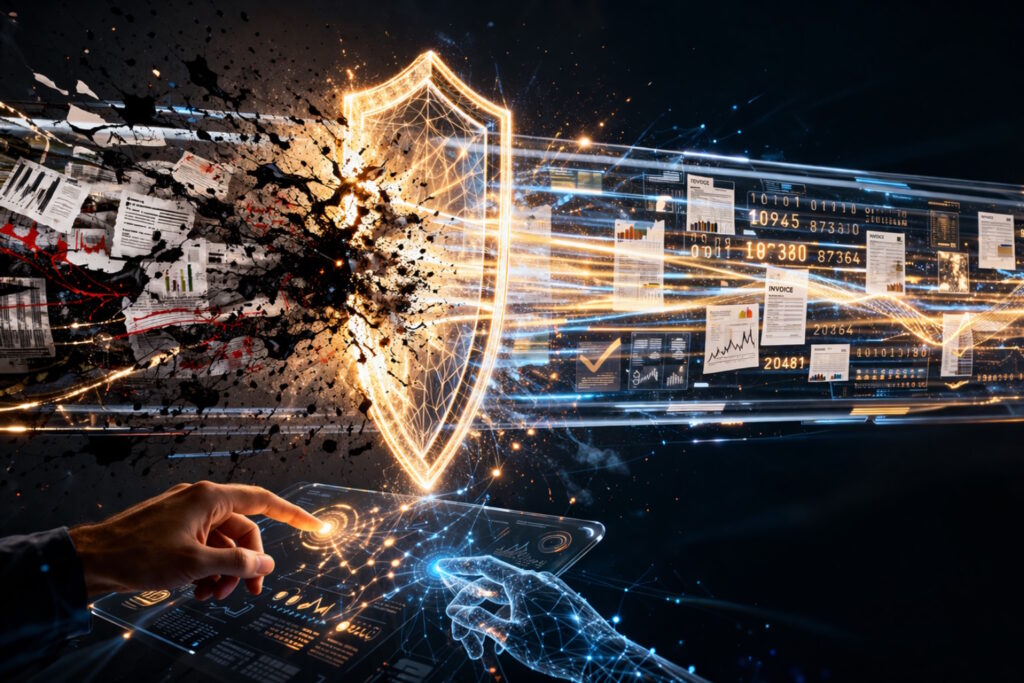
One reason this issue feels urgent is simple: untrustworthy data no longer arrives with obvious warning signs. It can look polished, helpful, and routine. A fake invoice may mirror a real supplier’s format. A manipulated dashboard may show only small changes. An AI-written summary may sound certain, even when it misses context or mixes fact with error.
That is what makes the problem so tricky. Bad data rarely kicks the door down. It slips in quietly, dressed like normal business. You may wonder whether this is a real cybersecurity problem or just a content problem. In practice, it is both. When false or altered information enters a business system, it can shape actions, approvals, and strategy. Teams may respond to the wrong threat. Leaders may trust the wrong metrics. Partners may pass along flawed updates without realizing it.
That is also why this topic deserves a balanced tone. AI is not the enemy here. In many cases, it helps people work faster and spot patterns they might miss. The real concern is trust. When any tool, source, or workflow accepts bad data too easily, risk grows in the background.
Where cybersecurity meets data trust
At its core, data integrity means that information stays accurate, consistent, and reliable over time. That may sound technical, but the idea is familiar. You already expect a financial report to match the books. You expect a customer record to reflect reality. You expect a supply chain alert to describe what is actually happening.
Cybersecurity enters the picture because modern systems connect everything. One flawed input can travel farther than most people expect. It can move from a vendor portal into an internal dashboard. It can shape a model’s output. It can influence an executive briefing. If no one questions the source, the error gains authority simply because it appears inside a trusted environment.
From Supply Chains to Strategy Rooms
Supply chains show this problem in plain terms. Most organizations now rely on outside software, outside services, and outside data. That model brings speed and scale. It also expands the number of places where bad information can slip in. A manipulated file, a false update, or a poisoned dataset can pass through several hands before anyone notices. By then, it may already affect planning, reporting, or customer service.
The same pattern shows up in decision-making. Small distortions can create large consequences. A team might overestimate demand because the source data was altered. A manager might approve a risky move because a generated summary hid key details. A cybersecurity team might chase the wrong signal because a dashboard pulled from tainted inputs. None of these moments look dramatic at first. Still, each one can steer time, money, and trust in the wrong direction.
If you are asking, “Why does this matter so much now?” the answer is scale. AI helps organizations create and process content at high speed. That speed creates real value. Yet it also means errors and manipulations can travel faster than older review habits were built to handle.
Why This Matters Beyond the IT Department
This issue does not stay inside a cybersecurity team. It reaches finance, operations, procurement, legal, and leadership. Once untrustworthy data enters daily work, it affects far more than technical systems. It affects confidence. It changes timing. It shapes decisions that people make under pressure.
That is why the topic resonates with so many readers. You do not need to be a specialist to understand the risk. Most people have seen a believable message that turned out to be false. Most teams have dealt with a spreadsheet, report, or status update that looked fine until someone checked the details. AI raises the stakes because it creates convincing material quickly, and many workplaces now depend on automated tools.
Still, a sensible response does not reject AI. That would miss the point. Organizations need better trust habits, not fear. They need clearer ways to verify what enters their systems and what leaves them. Often, that shift starts with a simple question: “How sure are we that this information is real?”
Smarter Guardrails, Not Fear
So, what does a healthy response look like? It starts with a mindset shift. Instead of asking only who can access a system, organizations also ask whether they can trust the data inside it. That change sounds small, but it has real value.
Teams can build that trust in practical ways. They can verify important sources before critical data enters core workflows. They can trace where sensitive information came from and how it changed. They can review third-party inputs with the same care they apply to internal records. They can keep people involved when decisions carry financial, legal, or reputational weight. None of this requires panic. It requires attention, consistency, and a willingness to slow down when the stakes are high.
This is also where AI can help rather than harm. The same technology that creates content can flag anomalies, compare versions, detect odd patterns, and support human review. In other words, the answer is not to step away from innovation. The answer is to pair innovation with accountability.
Strong habits matter here. Clear approval paths matter too. So does training. When employees understand how manipulated information spreads, they notice weak signals sooner. When leaders support verification, teams feel less pressure to accept polished outputs at face value. Over time, that culture becomes a quiet advantage.
Conclusion: Trust Is the Real Front Line
As AI reshapes how organizations create, share, and analyze information, the meaning of security keeps expanding. The challenge is no longer limited to keeping attackers out. It also includes protecting the quality of the data that flows through systems, supply chains, and everyday decisions. That is where trust begins, and that is where trust can break.
Cybersecurity will remain essential in an AI-driven world, but it must include data integrity as a core priority. Organizations do not need to fear AI to take this seriously. They need clear standards, thoughtful oversight, and a stronger habit of asking whether information deserves trust.
If these questions matter to you, join Tech Scope Connect as we continue exploring how AI, cybersecurity, and data trust are reshaping the systems people rely on every day.