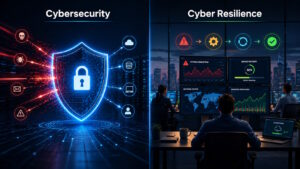

Key Takeaway: Businesses today are expected to protect their data and reduce their environmental impact—but these goals don’t have to conflict. In fact, sustainable practices like cloud optimization, hardware modernization, and cross-functional compliance can also improve cybersecurity. By aligning digital safety with environmental responsibility, companies can build resilient systems that scale efficiently and responsibly.
Cybersecurity is no longer just an IT concern—it’s a core part of doing business in a connected world. At the same time, sustainability has become a non-negotiable priority for companies that want to stay competitive and relevant. But what happens when these two goals—data protection and environmental responsibility—collide?
More than ever, businesses are being asked to do both: protect their networks and reduce their carbon footprint. These goals may seem unrelated at first, but they’re more connected than you might think. In fact, many of the steps companies take to improve sustainability—like moving to the cloud or upgrading infrastructure—can also enhance digital security.
So, how can you start thinking about cybersecurity and sustainability as a combined strategy instead of competing priorities? Let’s take a closer look.
The Changing Expectations for Modern Businesses
Customers, employees, and stakeholders are paying attention—not just to what your business does, but how it does it. They want to know that their data is safe, but also that your company is reducing waste, using renewable energy, and taking responsibility for its environmental footprint.
This shift in expectations is pushing companies to be more transparent, more accountable, and more strategic. But it’s also creating new pressure points. Cloud computing, for example, offers flexibility and scalability, but it also increases your exposure to cyber threats—and contributes to energy use.
You may be asking: Can a business really be both green and secure? The answer is yes, but it takes intention. You’ll need to make decisions that support both goals—and recognize where they overlap.
For example, replacing outdated hardware not only cuts down on energy use but also removes older, less secure systems from your network. Likewise, implementing centralized data management can reduce server sprawl and improve monitoring for suspicious activity.
By treating cybersecurity and sustainability as mutually reinforcing, you can position your business for long-term success.
Why Cybersecurity and Sustainability Go Hand in Hand
You might be wondering: Is there really a connection between sustainability and cybersecurity? The answer is more practical than you’d think.
1. Energy-Efficient Infrastructure Can Enhance Security
Modern, energy-efficient systems tend to be newer—and newer often means more secure. Upgrading to cloud-based solutions, using smart sensors in buildings, or switching to low-power computing devices can help reduce your environmental impact. But these same systems usually include up-to-date security protocols, automatic patching, and built-in encryption.
Companies that pursue green IT often find themselves benefiting from better security without even planning for it.
2. Compliance Is Creating a Shared Framework
Government and industry regulations are increasing across the board. Whether it’s GDPR for data privacy or ESG mandates for sustainability reporting, companies need structured policies, transparent operations, and verifiable metrics.
This means that both cybersecurity and sustainability rely on:
· Clear documentation
· Auditable processes
· Regular risk assessments
By approaching both areas under a shared governance model, you can streamline compliance and reduce duplication of effort.
Building Resilient Systems That Scale
Growth is good—but it comes with new responsibilities. As your business expands, so does your digital footprint, energy usage, and exposure to risks.
Combine Resilience with Responsibility
When planning for scale, it’s tempting to focus solely on uptime, speed, and cost. But building a resilient business means planning for more than just performance. It means investing in systems that can handle disruption—whether that’s a cyberattack or a natural disaster.
The good news? Many resilience strategies overlap:
· Using decentralized cloud architecture improves data protection and reduces energy use through efficient load balancing.
· Training your teams on cyber hygiene can also include energy-saving practices like reducing idle device usage.
· Streamlining supply chains digitally can help you track emissions and secure your third-party connections at the same time.
These choices aren’t just good for the environment—they’re smart for your long-term scalability.
Challenges to Watch For
Even with the best intentions, businesses can hit roadblocks. Some of the most common include:
· Legacy systems: Older tech tends to be both power-hungry and vulnerable to breaches. But replacing it requires time and resources.
· Departmental silos: IT might handle cybersecurity, while operations lead sustainability efforts. This disconnect can stall progress.
· Short-term thinking: Investments in green infrastructure or advanced security can seem costly upfront—but they often lead to lower total costs over time.
To move forward, companies need cross-functional collaboration. Bring sustainability leads and cybersecurity teams into the same room. Align their goals, share data, and explore tech solutions that benefit both.
Conclusion
In a world where technology powers every part of business, it’s no longer enough to treat cybersecurity and sustainability as separate concerns. They’re both vital to your company’s resilience—and they’re more connected than they seem.
By aligning your digital defenses with your environmental goals, you can reduce risk, build trust, and create systems that scale without compromise. It’s not about choosing one over the other—it’s about finding smart ways to do both.
Cybersecurity isn’t just about firewalls anymore. It’s about building a future that’s both responsible and secure.
Curious how other businesses are navigating this balance between sustainability and security? Tech Scope Connect brings together forward-thinkers, innovators, and experts to explore these emerging challenges through live sessions and real-world insights. Join us and be part of the conversation.