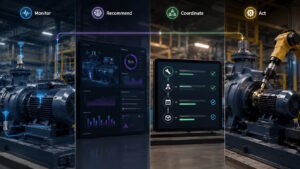
Key Takeaway: Edge AI and on-device intelligence show how edge computing enables faster, more reliable decisions by moving AI closer to where data is created. Instead of waiting on distant cloud systems, organizations can respond in real time, reduce delays, and improve resilience. This shift makes AI feel more immediate and practical, especially in environments where timing, safety, and continuity matter.
When Intelligence Moves Closer to the Moment
In edge computing, AI is moving closer to where decisions actually happen. In plain terms, that means more distributed computing, more fog computing, and more near-device processing. It also means fewer moments spent waiting on a distant data center. If you have ever wondered, “Why did the alert arrive after the problem?” you understand the appeal.
Edge AI and on-device intelligence sit at the center of this shift. They help systems notice patterns and respond while the moment still matters. That relevance shows up in everyday settings. A production line keeps moving. A delivery route stays safe. A store avoids a small issue that could become a messy one.
Picture This: AI That Lives Closer to the Work
People often blend “edge AI” and “on-device intelligence,” and the mix-up makes sense. Edge AI describes AI work that runs close to where data originates. Sometimes that “close” means a gateway in a cabinet. Sometimes it means a small server in a store back room. On-device intelligence goes one step further. The device itself, such as a camera or sensor, makes the call.
It helps to imagine a spectrum. At one end, the cloud does the thinking. At the other, the device does the thinking on the spot. Many real deployments sit in the middle and move over time. Teams may start centrally, then shift key steps closer to the action.
When people say “real-time decisions,” they often mean “fast enough to matter.” A one-second response can feel smart and steady. A one-minute response can feel distracted. Edge AI tries to close that gap without turning every situation into an engineering project.
Why Edge Computing Makes Decisions Feel Immediate
When AI runs far away, data must travel before anything useful happens. That travel adds latency, even on good days. It also adds uncertainty, because networks vary and sometimes fail. In many environments, small delays stack up until they feel like daily friction.
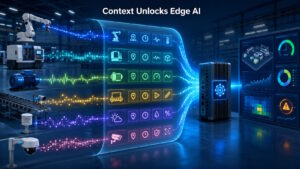
Edge computing reduces the distance between sensing and deciding. That can turn “send, wait, then act” into “notice, decide, act.” The difference shows up in ordinary moments. A camera can flag a safety issue as it occurs. A machine can detect drift before quality drops. A vehicle can respond to a hazard without negotiating connectivity first.
This shift also changes what people trust. When a system responds quickly and predictably, it earns patience. When it hesitates, users start working around it. That human reality matters as much as any hardware specification.
Real-Time Edge Computing in the Field Feels Practical, Not Flashy
Real time does not always mean instant. It often means the decision arrives before a person has to improvise. In a hospital, that might mean a monitor that spots a change early. In retail, that might mean smoother checkout flow. In industrial settings, it might mean catching a fault before it becomes a shutdown.
You also gain a different kind of resilience. When devices keep operating during an outage, the site stays safer and steadier. People stop treating the connection as a single point of failure. They start treating the system as something that lives where work happens.
That experience explains much of the current momentum. Decision speed can feel like product quality. Edge AI often delivers that quality in ways users can sense.
The Places You Will Notice On-Device Intelligence First
You may already rely on on-device intelligence without naming it. Your phone can sort photos, translate speech, and filter spam calls. A modern car can watch lanes and warn about collisions. A smart camera can detect motion with fewer false alarms.
In business settings, the pattern looks familiar, but the stakes change. A warehouse camera can spot blocked exits. A utility site can detect trespass risks. A manufacturing cell can spot defects before they move downstream. Each example sounds small on its own. Together, they reduce incidents, waste, and rework.
The most telling use cases share one trait. They do not want “more data.” They want better outcomes with less delay. That is why teams often begin with one decision that matters. They expand only after they build confidence.
As Edge AI Becomes Ordinary, the Basics Matter More
As on-device intelligence spreads, a few themes keep rising. One theme is lifecycle discipline. Teams expect safe updates, quick rollbacks, and clear version control. Another theme is security, because distributed environments widen the attack surface. A third theme is accountability, because automated decisions affect real people.
There is also a cultural shift underway. Edge AI brings AI closer to operators, clinicians, drivers, and shoppers. That proximity increases scrutiny, and it should. People notice when a system behaves oddly. They also notice when it quietly helps.
In practice, the edge becomes a meeting point. Business goals, human workflows, and technical choices collide there. That collision can feel messy at first. It also forces clarity about what “good” means in the real world.
Conclusion: A More Immediate Kind of Intelligence
Edge AI and on-device intelligence attract attention because they make technology feel present, not distant. They focus on decisions that happen under time pressure and real constraints. They also help teams act on data without shipping every detail elsewhere.
If this shift toward real-time, local intelligence has you thinking about where technology is headed next, Tech Scope Connect offers a place to explore those questions further. Through live discussions, expert perspectives, and ongoing coverage of emerging technologies, we look at how ideas like edge computing are moving from concept to everyday reality. Join today!