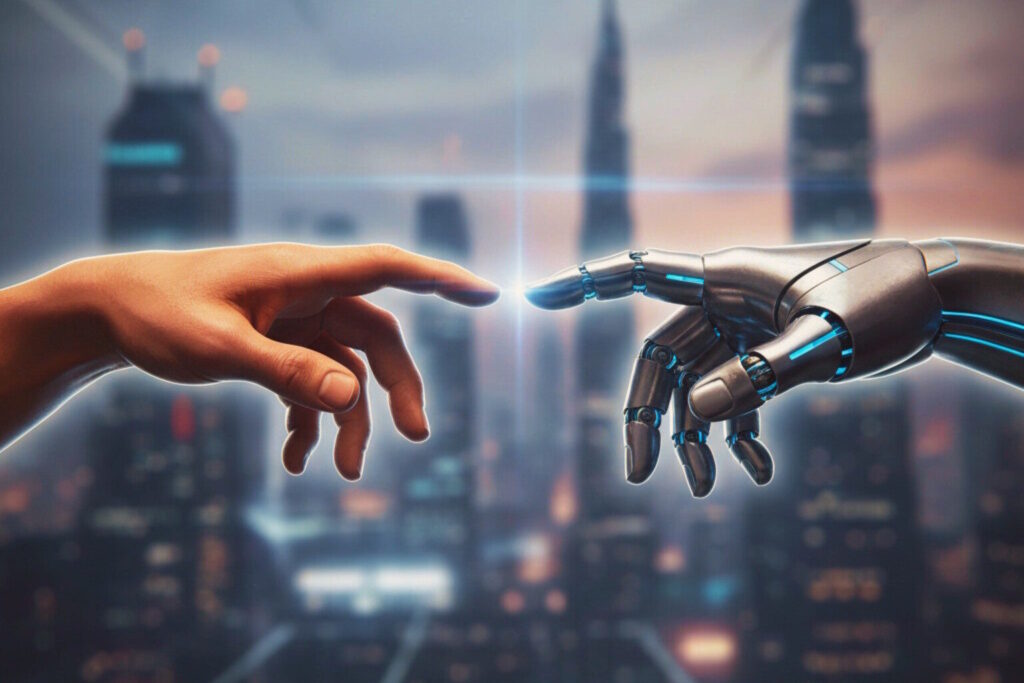
Key Takeaway: Tactile robotics is transforming how machines interact with the world by giving them a sense of touch. By using advanced sensors and real-time feedback, these robots can grip objects gently, detect texture, and respond to physical contact—making them safer, more efficient, and better suited for tasks that once required human hands. From healthcare to manufacturing, tactile robotics is opening new possibilities for smarter, more human-like machine collaboration.
Tactile robotics is changing how we think about robots and their ability to interact with the world. These touch-sensitive machines go beyond vision and movement—they can feel. With the rise of haptic systems and robotic touch technologies, we’re entering a new era of human–machine interaction. And whether you’re in tech, healthcare, or manufacturing, this evolution matters.
Touch, Meet Tech: What Is Tactile Robotics?
Let’s start with the basics—because you might be wondering: What is tactile robotics anyway?
In simple terms, tactile robotics involves giving robots the ability to sense and respond to touch, much like humans do. It’s the reason a robotic hand can gently hold a fragile object without crushing it. These machines use a mix of pressure sensors, advanced software, and sometimes even artificial skin to mimic the human sense of touch.
This means they’re not just smart—they’re sensitive. They know when something is too rough, too smooth, or even slipping from their grasp.
If you’ve ever asked yourself, “How do robots learn to handle things with care?”, the answer usually involves tactile robotics.
Why Is This Important? (Hint: It’s All About Interaction)
Here’s the thing: traditional robots are great at repetition. They follow commands, lift objects, and repeat tasks precisely. But when it comes to nuanced interaction—like helping a patient or sorting soft produce—they fall short.
Tactile robotics changes that.
These systems can:
- Adjust pressure in real time. When gripping delicate objects, tactile sensors allow robots to adapt their force instantly. This reduces breakage and improves precision in dynamic environments.
- Detect texture and movement. By sensing fine surface details and motion, robots can distinguish between different materials—like fabric vs. metal—making them ideal for sorting, assembly, and inspection tasks.
- Respond to physical feedback on the spot. Real-time touch feedback enables robots to pause, reposition, or recalibrate without human intervention. That adaptability is critical for unpredictable settings.
It’s the difference between a robot that just moves… and one that truly interacts.
And this opens up massive potential in fields like:
- Healthcare – Tactile robots are assisting in delicate surgeries and patient care by using touch-sensitive feedback to avoid damaging tissues and adapt in real time, reducing human error and improving outcomes.
- Manufacturing – In factories, tactile robotics enables robots to handle small parts and fragile materials with precision, making it possible to automate tasks like circuit board assembly or soft product packaging.
- Consumer Tech – Touch-enabled devices such as advanced prosthetics and wearables are giving users more intuitive control, with tactile feedback that mimics real sensation for a more natural experience.
So if you’ve ever asked, “Can robots learn to feel like humans?”, the answer is: they’re getting there.
How Tactile Robotics Is Making Robots More Human
This might sound like science fiction, but it’s already happening.
Tactile robots are being trained to:
- Detect slipping and adjust their grip. If an object starts to slide, sensors immediately trigger micro-adjustments. This ability helps prevent drops and mimics the reflexes we take for granted in human hands.
- Understand when they’ve bumped into something (or someone). Contact sensors can distinguish between expected and unexpected forces. This awareness enhances safety in collaborative workspaces where robots and people operate side-by-side.
- Feel surfaces and adapt their movement. Robots can now adjust their speed or grip based on surface feedback, such as slowing down on a slick surface or tightening grip on porous material.
The result? Machines that don’t just do things—they respond.
This is one reason why tactile robotics is redefining what robots can be in our lives. Not just tools—but teammates.
The Real-World Benefits of Giving Robots a Sense of Touch
So, what does this mean for the real world? What happens when robots can actually feel?
Here’s a quick list:
- Safety – Tactile feedback lets robots react when something goes wrong, reducing accidents. For example, in industrial settings, if a robot arm encounters unexpected resistance, it can stop immediately—protecting both the machine and nearby workers.
- Efficiency – They can adapt on the fly, saving time and reducing errors. Instead of relying on pre-programmed paths, tactile robots can self-correct in real time, reducing the need for human intervention or repeated calibration.
- New Use Cases – Tactile robotics enables jobs that once required a human touch. Think of inspecting soft agricultural products or performing massages in healthcare—tasks now possible to automate with touch-sensitive tech.
- Accessibility – Think prosthetics that provide real-time feedback, improving mobility and comfort. These advances allow users to feel pressure, motion, or temperature, which enhances usability and brings artificial limbs closer to natural function.
In short, we’re talking about smarter, safer, more capable machines.
What’s Next? Tactile Robotics Is Just Getting Started
We’re only scratching the surface.
Right now, researchers are working on artificial skin, smart sensors, and new materials that will make touch-sensitive robots even more advanced. In the future, you might interact with a robot that can:
- Shake your hand and tell if you’re nervous. By analyzing grip strength and micro-tremors, robots could detect emotional cues and adapt their response in customer service or therapeutic settings.
- Feel a product and report its texture. This would allow machines in quality control or retail to assess softness, rigidity, or defects just like a human inspector would.
- Help with physical therapy by adapting to your pressure. Tactile feedback would allow rehabilitation robots to react gently and appropriately during exercises, offering safer and more personalized care.
It’s no longer about whether robots can touch. It’s about what they’ll do with that touch.
Conclusion: Tactile Robotics Is the Touchpoint Between Tech and Humanity
Tactile robotics is making robots more than just machines—they’re becoming collaborators. By adding the sense of touch to automation, we’re expanding what robots can do and how they do it. It’s a shift that impacts industries, improves user experiences, and brings us one step closer to truly intelligent machines.
Curious to see where innovation is headed next? Follow Tech Scope Connect for ongoing insights, live conversations, and thought starters from across the tech landscape. Join today!