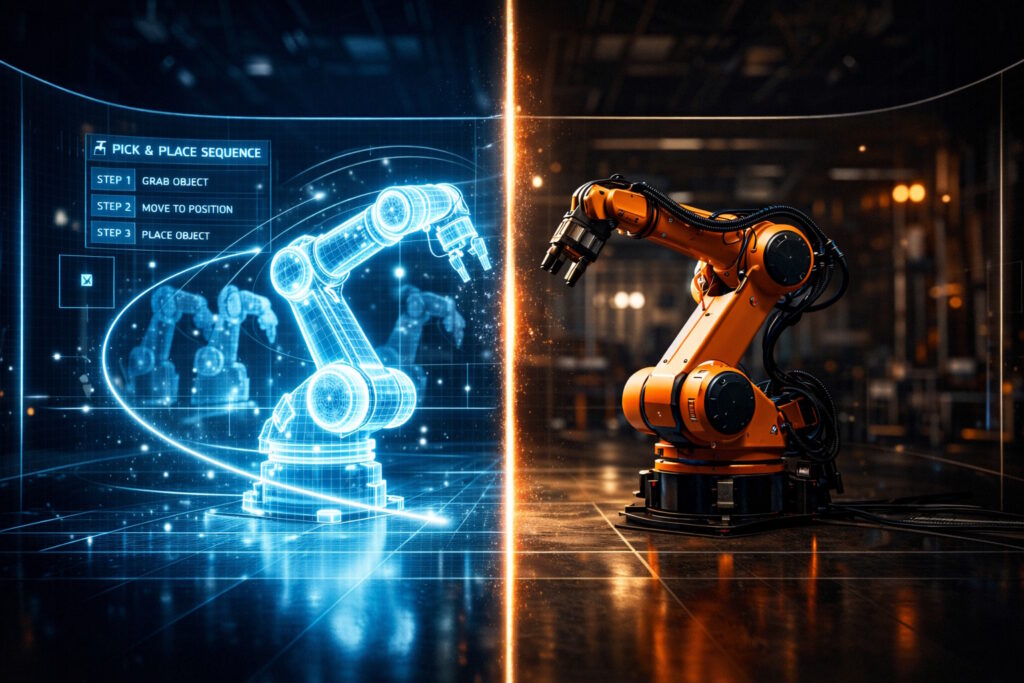
Key Takeaway: Agentic digital twins are digital models that do more than reflect what is happening in a real-world system. They can interpret live data, suggest the next best move, and sometimes take limited action within set rules. In practical terms, that means a digital twin is starting to shift from a passive mirror to an active operator, which is why businesses are paying attention to agentic digital twins in factories, networks, buildings, and other complex environments.
When the Mirror Starts Talking
Agentic digital twins are changing how people think about digital models. A digital twin no longer just reflects what a system looks like. It can help interpret what is happening, suggest the next step, and, in some cases, carry out that step. That shift feels relevant now because companies want faster decisions, fewer surprises, and smarter operations without adding more complexity. If you have wondered, “Are digital twins becoming decision-makers?” you are asking the right question.
For years, digital twins played a familiar role. They showed what was happening in a machine, a factory, a building, or a network. They gave teams a virtual view of the real world. That was already useful. Now the story is becoming more interesting. The twin is starting to do more than observe. It is beginning to guide, suggest, and sometimes act. That change is why this topic is drawing so much attention.
Why Agentic Digital Twins Are Suddenly Everywhere
A few forces are coming together at once. AI tools have become better at reading live data and spotting patterns. Simulation tools have become faster and easier to run. Businesses also have more pressure to respond quickly when systems become complex or unpredictable. In that environment, a digital twin that only reports problems can feel limited. Teams want more support than that.
Agentic digital twins sit right in that gap between visibility and action. They still mirror the real system, but they also help interpret events and explore possible responses. You can think of them as a digital model with a stronger sense of context. They do not just show a problem on a screen. They help teams ask, “What is happening, what could happen next, and what should we do about it?”
This is one reason the phrase keeps popping up in conversations about operations, automation, and AI. People are not only looking for sharper analytics. They are looking for systems that feel more useful in the moment. That gives the topic a practical edge. It also gives it a bit of buzz.
Where agentic digital twins show up first
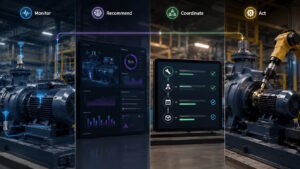
You can see the trend first in places with constant change and high stakes. Factories are a strong example. A twin can monitor a line, test schedule changes, and flag bottlenecks before they spread. In network operations, a twin can trace connections during an outage and narrow the list of likely causes. In data centers, it can watch power, cooling, and workload patterns at the same time.
Robotics adds another layer of excitement. Teams can test behaviors in a virtual environment before they move into the real world. That feels less like a dashboard and more like a rehearsal space. If you are asking, “Will this only matter in heavy industry?” the answer is probably no. The same logic can spread anywhere a live system creates rich data and costly decisions. Healthcare, logistics, buildings, and energy all fit that picture.
What makes these early use cases stand out is their pace. Things change quickly. Small delays can become expensive. A tool that only explains yesterday’s problem is helpful, but a tool that helps shape the next move feels more valuable.
The New Question: When Does Advice Become Action?
This is where the conversation gets interesting. Most people feel comfortable with a twin that explains problems. Many also welcome one that recommends a response. The tension rises when the twin begins to trigger a workflow or adjust settings on its own. That is the moment when a helpful tool starts to look like an operator.
The shift does not mean humans vanish from the picture. In many settings, people still approve important moves. They stay in charge of safety, cost, and accountability. Yet the boundary is moving. Some teams now want AI systems that can handle small, reversible actions without waiting for a meeting or manual check. That might mean rerouting traffic, changing a maintenance sequence, or tuning performance inside clear limits.
So, are these systems fully autonomous? Usually not. Most of the interest today centers on bounded autonomy. The twin can advise, prepare, or act within rules that people define. That detail matters for anyone asking whether this is a useful tool or a risky leap. In many cases, it is both a practical step forward and a governance question waiting to be answered.
The Hidden Ingredient Is Context, Not Magic
The buzz around this topic can make it sound mysterious. It is not. These systems work best when they understand how parts connect. They need a live picture of assets, rules, history, and dependencies. Some teams build that picture with graph models or other structured layers. Most readers do not need the technical detail to grasp the core point. Better context leads to better suggestions.
This is also why hype can outrun reality. A polished interface does not create trust. A smart-sounding answer does not guarantee a safe one. If a twin shapes schedules, routes, or resources, it also shapes the world it studies. That creates fresh questions about oversight, testing, and accountability. In plain language, you want the system to be clever, but you also want it to know its limits.
That tension gives the topic much of its energy. It is exciting to imagine a digital model that can help run complex systems. It is also reasonable to ask how much authority that model should have. Both reactions can be true at the same time.
More Than a Smarter Dashboard
What makes this trend stand out is the change in role. Older digital projects often aimed to improve visibility. Newer ones aim to support judgment. That sounds subtle, yet it changes how companies think about software, operations, and risk. A mirror shows you what happened. An operator helps decide what happens next.
There is also a cultural shift here. Teams once treated digital twins as specialist tools for engineers. Now more leaders want them to support daily operations, planning, and customer experience. When a tool moves from the lab to the control room, more people start paying attention.
You can also see why this idea reaches beyond engineering teams. Leaders see a path to faster decisions. Operators see help during busy shifts. Customers may see fewer delays and smoother services. Even those who do not work in tech can understand the appeal. When systems grow more complex, people want tools that do more than watch the chaos. They want tools that can engage with it.
Conclusion: The Mirror Learns to Move
Agentic digital twins still sit near the beginning of their public story. Many organizations are exploring the idea rather than deploying full autonomy everywhere. Even so, the direction feels clear. Digital twins are moving beyond reflection and toward guided action. That shift opens new possibilities for factories, networks, buildings, and many other systems.
The biggest takeaway is simple. The digital twin is no longer just a mirror. It is becoming a teammate, an advisor, and, in some cases, an operator. That is why the topic is gaining so much momentum.
To keep exploring how emerging technologies are reshaping real-world systems, join the conversation at Tech Scope Connect through its live discussions, expert insights, and broader coverage of where technology is heading.