Key Takeaway: Artificial intelligence is transforming Security Operations Centers by helping analysts manage large volumes of alerts, detect unusual behavior faster, and focus on real threats instead of routine noise. Rather than replacing human experts, AI supports SOC teams by organizing data, highlighting risks, and providing faster insights, allowing security professionals to investigate incidents more efficiently and respond with greater confidence.
Why This Topic Matters Now
Artificial intelligence is changing how Security Operations Centers, or SOCs, handle cyber risk. AI, machine intelligence, and smart automation now help teams sort alerts, spot odd behavior, and respond faster. That matters because security teams face a flood of warnings every day. Many lead nowhere. A few signal real danger. For leaders and analysts alike, that mix of noise and urgency makes this topic impossible to ignore.
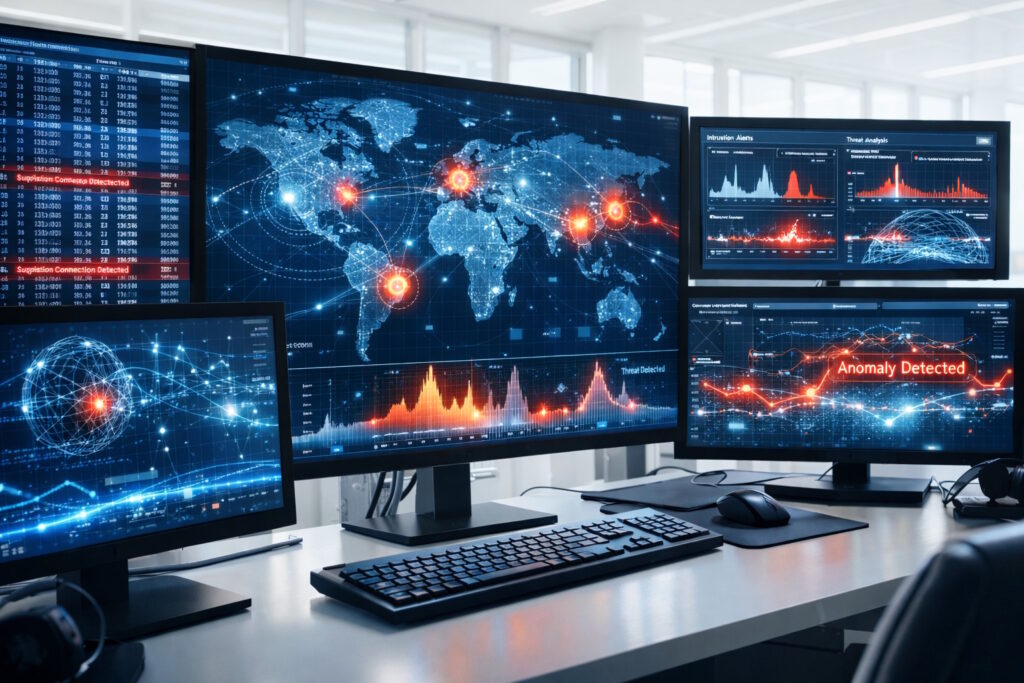
If you are new to the subject, you may wonder what a SOC actually does. In simple terms, a SOC watches for digital threats. It tracks suspicious activity, reviews alerts, investigates incidents, and helps limit damage. If you picture a room full of screens and analysts, you are not far off. The mission is constant, and the pressure is real. Attacks move faster each year, systems grow more complex, and analysts can only review so much at once.
When the Alert Queue Never Sleeps
A modern SOC works under steady pressure. New alerts appear every minute. Some point to real danger. Others are harmless noise. The trouble is that both can look urgent at first glance. Analysts must decide what matters, what can wait, and what needs action now.
That daily triage creates a familiar problem called alert fatigue. After enough false alarms, even strong teams lose time and focus. Important signals can get buried in routine clutter. You might ask, “Can technology help people find the real threats sooner?” More organizations now believe the answer is yes.
This is one reason the conversation has widened beyond technical circles. Business leaders now want to know how security teams can stay sharp without burning out. They also want better visibility when something serious happens. That is where smarter tools start to matter.
How Artificial Intelligence Fits into the SOC
At a basic level, artificial intelligence helps SOC teams make sense of volume. It can scan large streams of activity far faster than a person can. It can compare events, group related signals, and highlight patterns that deserve a closer look. Instead of forcing analysts to start from scratch, it gives them a clearer starting point.
You can see the appeal right away. A security team may receive thousands of alerts in a single day. An AI-enabled system can rank those alerts by urgency. It can connect them to past behavior. It can even draft a short summary of what happened. That does not mean the tool makes every decision. It means the team gets context sooner.
Another common question sounds even more direct: is this only useful for very large companies? Not at all. Smaller teams often feel the greatest strain because they have fewer analysts. For them, better prioritization can change the workday. It can turn a chaotic queue into something more manageable.
Why artificial intelligence still needs human judgment
When people hear artificial intelligence, they often picture a fully automated control room. That image makes for a catchy headline, but it misses the real story. Most SOCs do not want software to act alone. They want better support for human judgment.
Security work depends on context. A strange login may signal a breach, or it may reflect a staff member traveling. A sudden spike in traffic may look dangerous, yet come from a normal software update. Human analysts understand the business, the users, and the bigger situation. Technology can surface clues, but people still interpret them.
That balance matters for another reason. Security teams do not just detect problems. They also explain them. When an executive asks what happened and what comes next, clear judgment still matters more than raw speed.
From Faster Detection to Better Focus
The most important shift may be mental, not mechanical. When teams spend less time chasing noise, they gain more time for real analysis. They can investigate serious issues earlier. They can work with other departments more clearly. They can also explain risk in plain language.
That last point matters more than many people realize. Security leaders often need to answer simple questions from the rest of the company. What happened? How serious is it? What should we do next? Tools that organize information well can help teams answer those questions with more confidence.
This is also why the topic keeps showing up in everyday conversation. People ask, “Will AI replace analysts?” A more useful question is, “Will it help analysts do their jobs better?” Right now, that is the more realistic promise. It is also the more valuable one.
There is a quality-of-work issue here, too. Few people do their best thinking while drowning in alerts. Better support can reduce stress, improve focus, and help teams spend more energy on the cases that truly matter. That human benefit often gets less attention, but it is part of the story.
What This Shift Means for Your Business
Even if you do not run a SOC yourself, this trend still matters. Cybersecurity affects operations, reputation, customer trust, and leadership decisions. When security teams work with more clarity, the whole organization benefits. Incidents may be found earlier. Responses may feel less chaotic. Communication often improves when pressure is high.
There is also a broader cultural shift underway. Security is no longer a back-room function that only specialists notice. It now shapes business continuity and board-level discussions. As that happens, smarter support tools become easier to justify. Leaders want security teams that can move quickly without losing judgment.
You may also hear another fair question: does this mean every company needs a complex AI strategy right away? Not necessarily. The larger point is simpler. Security teams need help handling scale, speed, and complexity. New tools are starting to meet that need in practical ways.
Conclusion: The SOC of the Future Feels More Human, Not Less
The biggest lesson is simple. Better technology does not remove the need for people. It gives skilled people more room to think, investigate, and respond. That is why this change feels important. It is not about replacing analysts with machines. It is about helping teams cut through noise and focus on what matters.
Artificial intelligence will not solve every SOC challenge. Still, it can give security teams more clarity, speed, and breathing room. If topics like this interest you, Tech Scope Connect explores emerging technologies such as artificial intelligence and cybersecurity through expert discussions, live broadcasts, and global events where industry leaders share how these shifts are shaping the future of technology. Join us!