Key Takeaway: Sustainable technology is shaping a better tomorrow by helping organizations use energy, materials, and data more responsibly without sacrificing performance or growth. Rather than focusing on flashy innovations, progress often comes from practical improvements—better measurement, smarter systems, and more resilient operations—that reduce waste and improve long-term outcomes. When applied thoughtfully, sustainable technology connects environmental responsibility with everyday business decisions, making sustainability measurable, operational, and relevant across industries.
Why This Conversation Suddenly Feels Personal
Sustainable technology is shaping how you live, work, and plan for the future. You may also hear it called green technology, clean tech, eco-friendly innovation, or low-carbon solutions. The labels vary, but the idea stays steady. People want progress that does not create a bigger mess later.
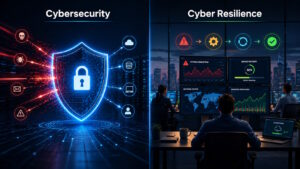
You have probably felt the pressure points already. Energy costs swing. Weather disruptions affect supply chains. Customers ask harder questions about waste and emissions. Leaders now treat resilience as a core business issue, not a side project. In that environment, technology stops being “nice to have.” It becomes one of the main ways organizations respond, adapt, and stay credible.
If you have ever wondered what counts as “sustainable,” what is actually changing, or why so many industries sound newly serious about it, you are in the right place.
The Big Idea: It Is Not Just About “Green Gadgets”
When people talk about sustainability, they often picture solar panels or electric cars. Those matter, but the topic is broader. In practice, sustainable innovation often looks ordinary. It can be quieter, more operational, and less glamorous.
A useful way to think about it is this: the goal is to get the outcomes you need while using fewer resources. That includes energy, water, raw materials, and time. It also includes reducing avoidable waste across the life of a product, from sourcing to disposal.
You might ask, “So is this just efficiency?” Sometimes, yes. Yet it can go beyond efficiency. It can include smarter design, better measurement, longer product life, and more repairable systems. It can also mean shifting from ownership to service models, where providers stay accountable for performance over time.
Why Sustainable Technology Feels Different This Time
You have seen sustainability trends come and go, so skepticism is fair. What feels different now is the convergence of pressures and capabilities. Organizations face more scrutiny, but they also have better tools to respond.
Energy and materials cost real money, and that reality gets attention in boardrooms. Regulations and reporting expectations also push companies to measure what they used to estimate. At the same time, many industries now collect data at a scale that was impractical a decade ago. That combination changes behavior.
You might also notice a shift in tone. Instead of vague promises, more teams talk about specific outcomes. They talk about energy intensity, downtime, waste reduction, and supply-chain visibility. Those metrics make sustainability less abstract and more operational.
The quiet forces pushing change
Several forces work in the background, even when marketing stays loud.
- First, measurement has improved. When you can measure energy use, emissions, or waste with more confidence, you can manage them.
- Second, resilience has become a business requirement. Extreme heat, flooding, and grid stress turn climate risk into operational risk.
- Third, customers and employees care about credibility. People can spot a slogan that lacks substance. That does not mean perfection is required. It does mean transparency matters more than ever.
Where It Shows Up First: Daily Life, Then the “Hidden” Systems
If you look for sustainability only in consumer products, you will miss much of the story. Some of the biggest gains come from infrastructure and operations. That includes buildings, factories, fleets, and data centers.
How sustainable technology shows up in everyday life
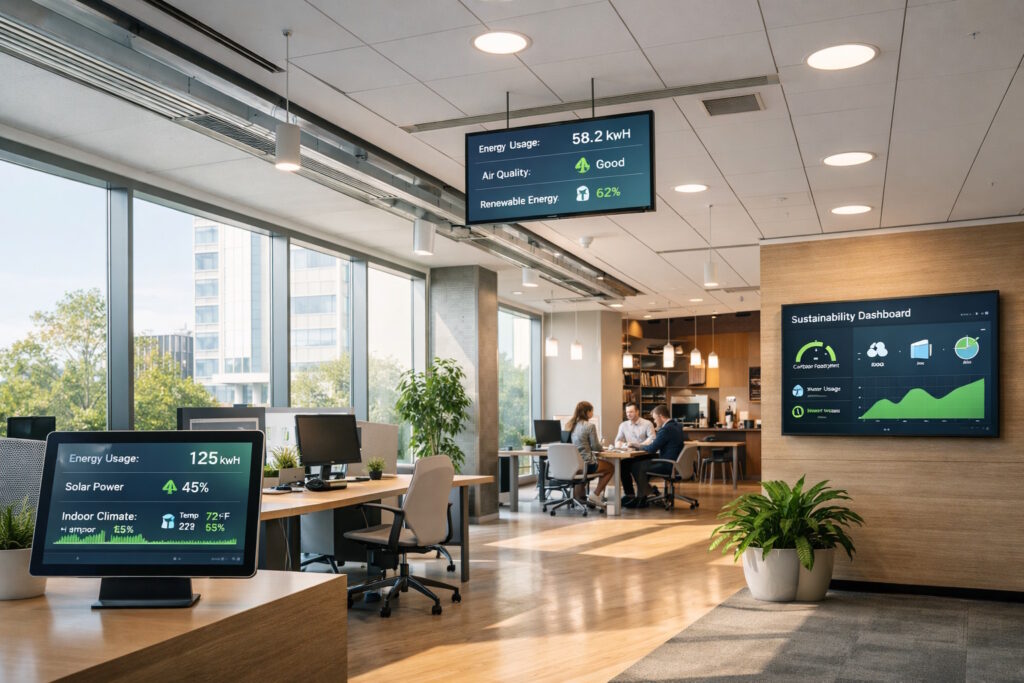
You may already use it without thinking about it. A smart thermostat that trims heating and cooling waste can reduce energy use without changing your comfort. Efficient lighting systems respond to occupancy and daylight, which cuts consumption in offices and public spaces. Smarter transportation apps can reduce idling and unnecessary trips, especially in dense cities.
You can also see it in the products you buy. Companies redesign packaging to use less material and to ship more efficiently. Retailers improve forecasting to avoid overproduction and disposal. These changes do not feel futuristic, but they can reduce waste at scale.
The systems you rarely see, but depend on every day
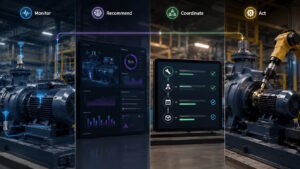
Many sustainability gains come from operational visibility. Sensors and connected equipment can detect leaks, overheating, or unusual vibration early. That helps teams fix problems before they become failures. Preventive maintenance reduces scrap, avoids emergency shipments, and extends asset life.
You may hear terms like “digital twins,” which sound complex. At a high level, the idea is simple. Organizations build a digital model of a building, factory line, or process. They test scenarios before making expensive changes in the real world. That saves time, reduces waste, and improves planning.
In logistics, route optimization and load planning reduce fuel consumption and improve delivery reliability. In manufacturing, better process control can lower energy use per unit produced. These are not headline-grabbing changes, but they add up.
Data centers and digital infrastructure that waste less
Digital services feel weightless, but they run on physical infrastructure. Data centers consume energy and require cooling, which makes efficiency a serious sustainability issue.
Here, progress often comes from better design and smarter operations. Operators improve cooling approaches, reduce power losses, and match computing workloads to available capacity. Many also pursue cleaner electricity sources, which can cut emissions associated with digital demand. When organizations treat efficiency as a design requirement, the environmental benefits can follow.
The Trade-offs People Forget to Ask About
Sustainability is not only about what a technology enables. It is also about what it costs, in resources and side effects. That is why you will hear more discussion about life-cycle thinking.
For example, a device that saves energy can still create harm if it fails quickly and becomes waste. A product can look “green” at the point of sale while relying on a supply chain with serious environmental impacts. Even software choices can matter, if they encourage heavier computing loads without real benefit.
Privacy and trust also belong in the conversation. Many sustainability tools rely on data collection, especially in buildings and cities. When teams handle data responsibly, they can build trust and still achieve efficiency. When they ignore governance, they can undermine the very progress they claim to support.
This is where clear measurement helps. Claims should connect to outcomes. Outcomes should connect to evidence. That is how serious organizations separate progress from slogans.
Conclusion: The Future Is Not a Switch, It Is a Direction
The future rarely changes overnight. It shifts through choices that favor clarity, efficiency, and long-term thinking over quick wins. As sustainable technology continues to influence how organizations design systems, manage resources, and plan for resilience, its real value lies in making progress practical rather than abstract.
If these questions around sustainability, technology, and long-term impact resonate with you, Tech Scope Connect offers a place to keep the conversation going. Through live discussions, expert perspectives, and focused events, it brings together people who want to understand how today’s technology decisions shape tomorrow’s outcomes. Join today!
Join Green Things Summit 2026 as we take a deeper dive into how AI, IoT, automation, and edge computing help drive efficiency, reduce waste, and advance sustainability goals through thought-leadership panels, industry keynotes, and interactive Q&A sessions. Register here.