
Quick Answer: Automated testing and certification help ensure IoT devices are secure before they reach consumers. Testing tools scan for common vulnerabilities like weak passwords or outdated software, while certifications verify that devices meet industry security standards. Together, they build trust, reduce risk, and support compliance with growing global regulations.
IoT security is more important than ever. As smart devices flood our homes, offices, and cities, keeping them secure has become a top concern. Whether you’re talking about connected thermostats, voice assistants, smart locks, or industrial sensors, all of these devices create potential vulnerabilities.
And yet, most people don’t think twice about how these gadgets are tested—or if they meet any security standards at all. That’s where automated testing and device certification come in. These tools play a major role in keeping your connected devices safe and trustworthy.
So, if you’ve ever wondered “How do I know my smart device is secure?”, this article is for you. We’ll cover how large-scale testing and global certification programs help prevent real threats from reaching your network.
Security Risks Are Everywhere—Even in Your Toaster
Let’s be honest—most people don’t associate their smart fridge with a cyberattack. But connected devices are often the weakest link in the network. They can be hijacked, monitored, or used to launch attacks without you even knowing.
And here’s the kicker: many IoT devices don’t go through rigorous testing before they hit the market. A lot of manufacturers rush products to shelves without prioritizing security, especially in the low-cost, high-volume consumer market.
That means even a seemingly harmless device—like a smart plug or baby monitor—can become a gateway for hackers into your home or office network.
How Does Automated Testing Help?
You might be asking, “What does automated testing actually do?” Think of it as a digital security scan for connected devices—a repeatable set of checks that surfaces known weaknesses before they can be exploited. Just as your antivirus checks your computer, automated tools scan IoT devices for issues such as:
- Weak passwords
- Outdated software
- Unsafe default settings
- Unencrypted data
These tools can run at scale, meaning manufacturers can test large batches of devices without hiring huge teams. Automation also ensures that tests are consistent, repeatable, and less prone to human error.
By identifying vulnerabilities early, developers can fix issues before devices ever reach the hands of customers—lowering recall risk and support costs.
The Power of IoT Certification: More Than Just a Sticker
IoT certification turns promises into proof through independent verification against defined security requirements. That third-party sign-off builds buyer confidence, simplifies procurement, and helps products meet regulatory expectations.
Certification programs verify whether a product meets specific security standards—like a safety inspection before a car hits the road. Certification bodies check things like:
- Data encryption
- Secure boot processes
- Identity verification protocols
- Ongoing patch support
A certified device has proven it meets these standards. Certifications often follow structured frameworks and may include both lab testing and documentation review.
Some programs even offer multi-level certifications, so you know whether a device meets just the basics—or goes the extra mile in terms of protection.
Region by Region: Security Isn’t One-Size-Fits-All
Security regulations vary widely—and they’re evolving quickly. The same product may need different evidence, tests, and labels to sell in the EU, U.S., and elsewhere, which impacts timelines, costs, and documentation.
This patchwork makes compliance harder for manufacturers, who may need to certify the same device multiple times—once for each region. For example:
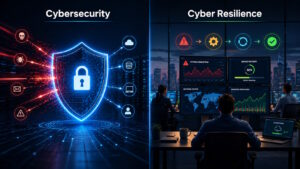
- The EU Cyber Resilience Act is pushing for mandatory security features
- In the U.S., the Cyber Trust Mark program aims to label smart home devices based on security
- Other regions are introducing similar frameworks
Navigating these requirements can delay product launches, increase costs, and create confusion for end users. Certification bodies are working toward global alignment, but we’re not there yet.
What This Means for You
All of this translates into practical decisions you can make today. Whether you’re a consumer or a business buyer, testing and certification provide clear signals for what to purchase, what to require from vendors, and how to manage risk over time.
If you’re a consumer, this matters because:
- Certified devices are less likely to put your data at risk
- Products that undergo testing are more likely to receive future updates and patches
If you’re a business, this matters because:
- Compliance reduces your legal and financial exposure
- Certification can boost your reputation and build customer trust
- Automated testing helps you scale your product pipeline more efficiently
Buyers are increasingly checking for security certifications before making a purchase, especially in B2B settings. And with growing regulation, even small businesses need to keep security top of mind.
Conclusion
Automated testing and certification might not sound exciting at first, but they play a critical role in building safer digital ecosystems. As our homes and workplaces fill up with connected devices, ensuring their security through proactive testing and trusted certifications is the only way forward.
Without these systems, we risk flooding the market with vulnerable products that can be easily exploited. The stakes are higher than ever, especially as IoT becomes embedded in critical sectors like healthcare, energy, and transportation.
Looking to dive deeper into IoT security trends and connect with others navigating the same challenges? Join us at Tech Scope Connect—where smart conversations meet smarter technology.