Key Takeaway: Neuromorphic computing is a brain-inspired approach to artificial intelligence that allows devices to process information more like humans—locally, efficiently, and in real time. By mimicking the way neurons and synapses work, neuromorphic chips enable smarter edge devices that respond quickly, use less power, and protect data privacy. This makes them ideal for applications like wearables, autonomous vehicles, industrial sensors, and always-on monitoring systems.
What Is Neuromorphic Computing, and Why Should You Care?
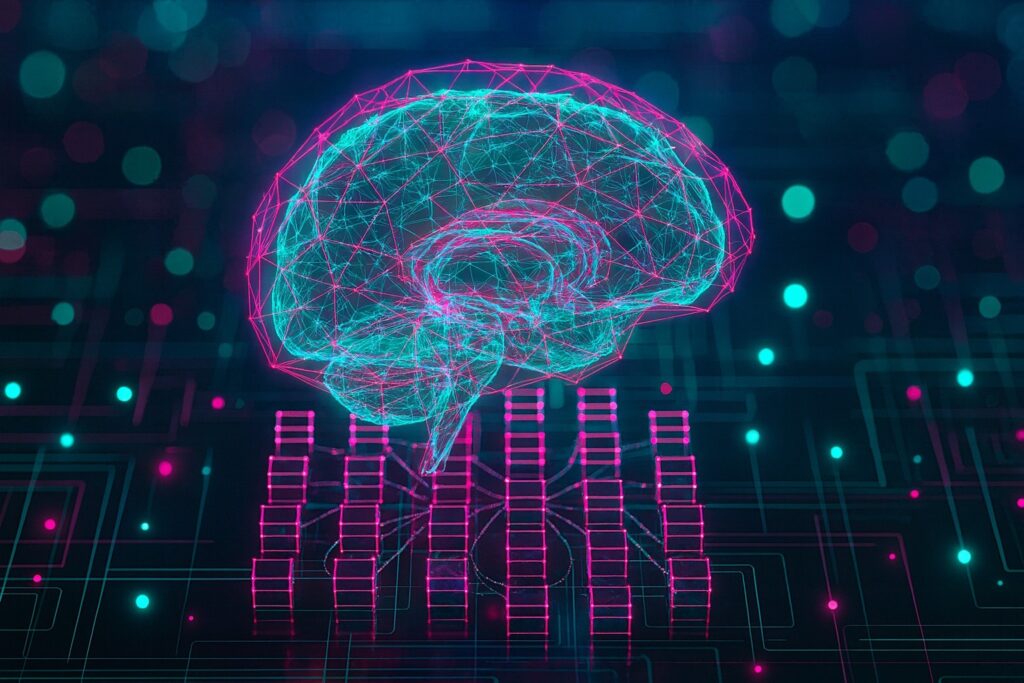
Neuromorphic computing is a form of artificial intelligence that mimics the human brain—and it’s redefining how machines learn and act. Also known as brain-inspired computing or neural-inspired AI, this technology moves away from traditional, power-hungry processors and instead uses hardware modeled after how neurons and synapses work in biology.
Why does this matter now? Because we’re entering an era where smart devices need to think and react in real time—at the edge, without relying on cloud servers. From wearable health monitors to autonomous drones, neuromorphic computing is making intelligent, low-latency decisions possible without sacrificing speed or energy efficiency.
If you’ve ever asked, “Why does my smart speaker need the internet to answer basic questions?” or “Why can’t AI work locally on my device?”—this article is for you.
Brain-Inspired AI That Thinks Differently
Let’s break it down. Traditional AI systems are built on von Neumann architecture. That means memory and processing are handled separately, often resulting in delays and energy waste—especially when AI models grow larger.
Neuromorphic computing changes the game by combining memory and processing into one unified design—similar to how your brain works. Neurons and synapses in your brain fire when something meaningful happens. Neuromorphic chips behave the same way, activating only when needed. This results in event-driven computing that uses power only when processing is required.
Think about that for a second. Instead of constantly “thinking,” a neuromorphic chip waits for something interesting to happen—then responds immediately. That shift opens the door to AI that’s faster, smarter, and drastically more efficient.
The payoff? Devices don’t need to ping a server to decide what to do. They can analyze data locally and make split-second decisions, right at the edge.
How Does Neuromorphic Computing Work? (No PhD Required)
The secret behind neuromorphic computing is something called spiking neural networks (SNNs). These are AI systems inspired by the way biological neurons send signals—using brief, timed “spikes” of activity instead of constant, linear data processing.
But don’t worry about the math. All you need to know is that SNNs are great at:
- Processing streaming data like audio or sensor input in real time
- Operating at ultra-low power
- Scaling across thousands or even millions of neurons with minimal computing cost
This makes neuromorphic chips ideal for situations where traditional AI struggles—like on-the-go robotics, embedded medical devices, or remote industrial sensors. Instead of brute-forcing through data, these chips listen for signals and act only when needed.
Imagine a smoke detector that only kicks into high gear when it detects patterns that actually resemble smoke—not just steam or dust. That’s the kind of precision neuromorphic computing brings.
Where It’s Being Used: From Smart Homes to Smart Factories
You might be surprised at where this tech is already showing up.
- Wearable Tech: Fitness trackers and smartwatches can use neuromorphic processors to detect heart anomalies, breathing irregularities, or stress patterns—all without draining your battery.
- Surveillance and Smart Cameras: Neuromorphic vision systems can identify movement patterns, differentiate between humans and animals, or detect suspicious behavior in milliseconds.
- Drones and Robotics: When flying or navigating autonomously, edge AI must make fast decisions without cloud latency. Neuromorphic chips handle obstacle detection and navigation in real time.
- Industrial IoT: Machines in factories can predict failures or adjust production schedules based on local sensor input—improving uptime and efficiency.
- Healthcare Monitoring: Devices designed to support elderly patients or monitor chronic conditions can use neuromorphic models to reduce false alarms and react to urgent changes more quickly.
These applications share a common theme: edge intelligence—where devices need to make fast, energy-efficient decisions without relying on remote computing.
Why Neuromorphic Computing Is So Powerful for the Edge
So why is this technology getting so much attention?
Here are three big reasons:
- Ultra-Low Power Consumption. Traditional AI models running on GPUs or CPUs require massive amounts of electricity. Neuromorphic chips sip power instead of guzzling it, making them perfect for battery-operated or always-on devices.
- Privacy by Design. Processing data locally reduces the need to send sensitive information over networks. That means better privacy, faster response times, and lower bandwidth use—ideal for healthcare, finance, or consumer electronics.
- No More Latency Bottlenecks. Devices don’t need to wait for instructions from the cloud. Instead, they can interpret, decide, and act—all on their own.
That combination of speed, efficiency, and autonomy is exactly what industries need as they embrace IoT, AIoT, and smarter infrastructure.
What Comes Next: Still Early, But Promising
Even though neuromorphic computing sounds exciting (and it is), it’s still early days. Most developers and companies are just starting to explore what’s possible.
Challenges include:
- Limited developer tools and programming models
- A learning curve for those used to standard AI architectures
- A need for broader ecosystem support and real-world testing
That said, the potential is massive. Startups like Innatera and BrainChip, and tech giants like Intel with its Loihi 2 chip, are paving the way. As this technology matures, expect to see more consumer devices and industrial systems that think more like us—and less like old-school servers.
Conclusion: Smarter, Leaner AI for a Connected Future
Neuromorphic computing offers a smarter, leaner approach to AI—especially for devices operating at the edge. Instead of relying on cloud access, constant connectivity, and high energy use, this brain-inspired tech opens the door to more natural, responsive, and energy-efficient intelligence.
Whether you’re building wearables, developing smart sensors, or investing in AI-driven automation, neuromorphic computing is a field to watch.
If you’re curious how edge intelligence is reshaping our relationship with technology, Tech Scope Connect offers a front-row seat to the conversation. Join us for expert insights, live newscasts, and global summits exploring where the future is headed.