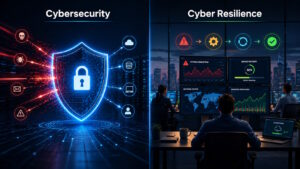
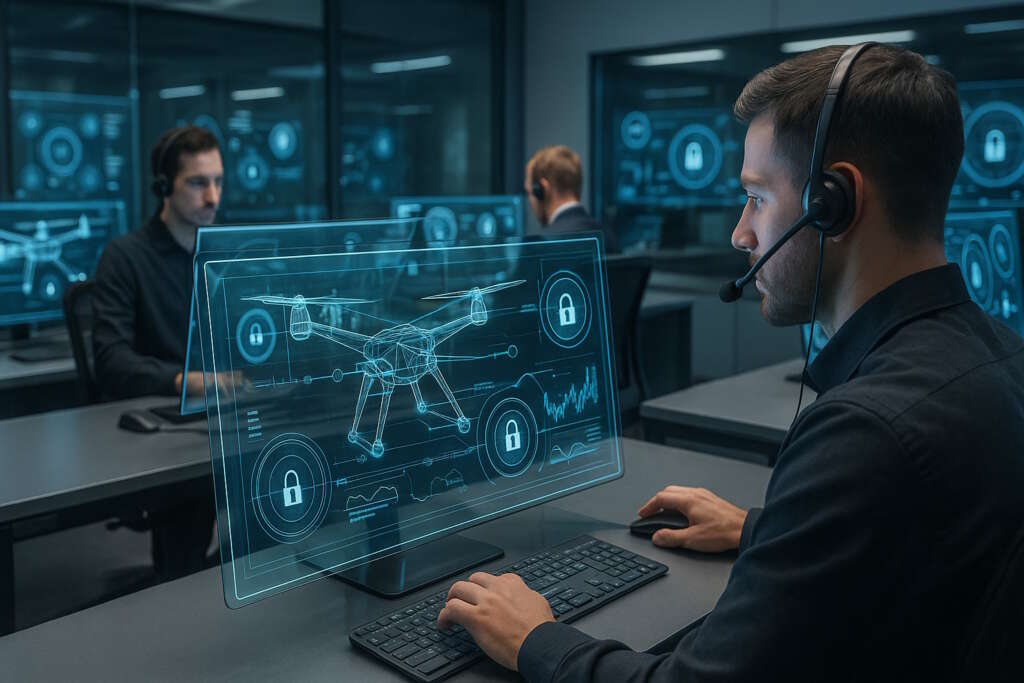
Key Takeaway: The Internet of Drones (IoD) connects unmanned aerial systems through shared networks, enabling innovative services like aerial deliveries and surveillance—but also introducing serious cybersecurity and privacy risks. These risks include data breaches, hijacking, signal jamming, and unauthorized surveillance. Protecting IoD ecosystems requires layered defenses such as encryption, authentication protocols, secure communication channels, and regular updates, along with operator training and compliance with privacy regulations. As drone adoption accelerates, evolving safeguards—potentially leveraging AI and blockchain—will be essential to keep drone networks secure and trustworthy.
Have you heard of the Internet of Drones? You may have seen drones buzzing through the sky delivering packages or capturing stunning aerial views. These connected drones, often called IoD or drone networks, rely on the Internet to perform tasks seamlessly. But as drone technology expands rapidly, security and privacy become critical. Let’s dive into why securing these smart drones matters to you.
Why Should You Care About Drone Security?
Imagine ordering your favorite snack online. Minutes later, a drone places it gently at your doorstep. Convenient, right? But what if your personal data falls into the wrong hands during delivery? Or worse, what if someone hacks into the drone network controlling these unmanned aerial systems (UAS)? Cybersecurity threats to drone technology aren’t just a futuristic scenario—they’re already here.
The Internet of Drones involves devices connected to networks, exchanging data constantly. These connected drones gather valuable information. Your privacy is at stake if this information isn’t adequately protected. That’s why understanding cybersecurity in drone networks is essential.
Common Cybersecurity Risks in the Internet of Drones
As exciting as drone technology is, it also opens doors to several security threats:
- Data Breaches: Drones collect and transmit data constantly. Without proper safeguards, sensitive data could be intercepted. Cyber attackers could access images, locations, and other personal data, potentially leading to identity theft or other crimes.
- Hijacking: Imagine someone else taking control of your delivery drone. It sounds like a movie plot, but it’s a real risk. Hackers can exploit vulnerabilities to take control remotely, altering flight paths or even using drones maliciously to cause physical harm or property damage.
- Privacy Violations: Surveillance drones could unintentionally or intentionally invade personal privacy. Unauthorized drones could conduct illegal surveillance, capturing personal moments without consent, and creating serious privacy concerns.
- Signal Jamming and Spoofing: Attackers may disrupt drone operations by jamming signals, causing loss of control or crashing. Spoofing involves sending false signals to mislead drones, diverting them from their intended destinations or operations.
- Insider Threats: Sometimes, threats come from within an organization. Individuals with legitimate access to drone systems may misuse that access intentionally or accidentally, creating significant security risks.
How Can We Secure Drone Networks?
Securing drone networks requires a straightforward, proactive approach:
- Encryption: Think of encryption as secret codes that only authorized devices understand. It ensures data remains private. End-to-end encryption specifically safeguards communications, preventing interception during transmission.
- Regular Updates: Just like your smartphone, drones need software updates. Regular updates patch security vulnerabilities. Keeping software and firmware up-to-date helps protect drones from newly discovered threats.
- Authentication Protocols: Only verified drones should join networks. Authentication ensures only trusted drones communicate. Multi-factor authentication further strengthens access control, adding additional security layers.
- Secure Communication Channels: Dedicated communication channels, separate from public internet connections, enhance security. Using virtual private networks (VPNs) or private cellular networks reduces risks from public network exposure.
- Physical Security Measures: Protecting physical access to drones and control stations prevents unauthorized handling or tampering. Secure storage facilities, tracking devices, and anti-theft features help safeguard drone hardware.
- Regular Security Training: Educating operators and staff about cybersecurity best practices ensures they’re prepared to identify and respond to threats. Awareness training reduces human errors that can lead to breaches.
By understanding and applying these practices, you can significantly reduce cybersecurity threats within the Internet of Drones.
The Role of Regulations in Drone Privacy
You might wonder who makes the rules about drone privacy. Governments and regulatory bodies set guidelines to protect citizens. Regulations specify where drones can fly, what data they can collect, and how that data should be stored.
Following these regulations isn’t just about compliance—it’s about building public trust. Responsible drone use ensures the Internet of Drones becomes a safe technology everyone can enjoy.
Real-World Examples of Drone Security
Have drones ever actually faced cyber threats? Absolutely. In recent years, drone networks have experienced attempted hijackings and data breaches. Thankfully, proactive security measures prevented major disasters.
For instance, drone delivery services now use advanced encryption to secure data. Military drone operations regularly update security protocols. These examples highlight why cybersecurity is crucial to the safe growth of IoD technology.
Looking Ahead: The Future of Drone Security
The Internet of Drones is still growing, and cybersecurity measures must evolve with it. Future drone networks might integrate blockchain technology for extra security. Artificial intelligence may also help detect threats instantly.
Awareness is the first step. Being informed about the risks and protections in drone technology helps you and your community stay safe.
Conclusion
The Internet of Drones brings incredible convenience, innovation, and opportunities. But it also brings cybersecurity and privacy challenges. Staying informed about these issues ensures you safely enjoy the benefits of connected drones. Want more topics like this? Join Tech Scope Connect to explore the evolving relationship between humans and technology through our newscasts, summits, and exclusive high-tech content.