Key Takeaway: IoT-enabled smart bins are revolutionizing waste management at large-scale events by using real-time monitoring, automated compaction, and data-driven insights to keep venues clean and sustainable. These connected bins notify staff when they’re full, optimize collection routes, and often run on solar power—reducing emissions and operational costs. By improving recycling rates, minimizing overflow, and enhancing the attendee experience, smart bins are proving that even waste management can be smart, efficient, and eco-friendly.
Smart bins might not be something you’ve thought much about. Yet, these intelligent waste bins are becoming essential at crowded events like concerts, festivals, and sports games. Imagine attending your favorite festival without overflowing garbage cans or litter everywhere. Sounds ideal, right? That’s exactly the scenario IoT waste containers aim to deliver.
With IoT-enabled smart waste receptacles, event planners can tackle common waste challenges. Crowds produce massive amounts of trash. Regular bins fill up quickly, causing unsightly and unhygienic overflow. Smart bins solve this problem efficiently, keeping venues clean and attendees happy.
Overflowing Bins and Frustrated Crowds: Sound Familiar?
Think about the last crowded event you attended. Remember how quickly trash cans became full? Overflowing bins are not just unpleasant—they also present health and environmental risks. Smart bins provide a straightforward solution.
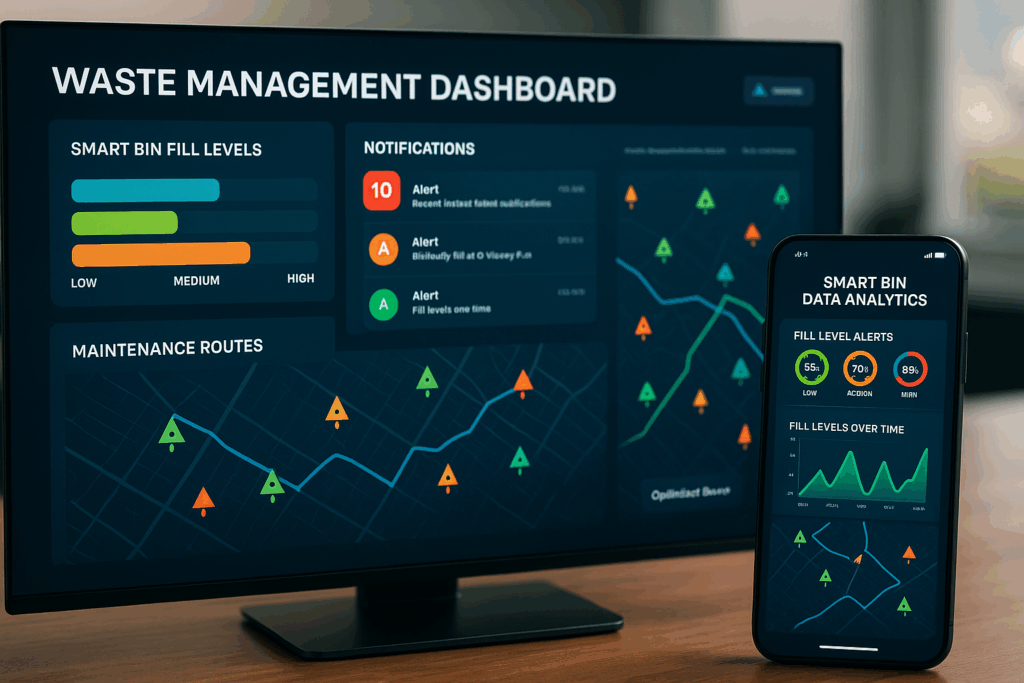
Using IoT technology, these bins send real-time alerts when they’re nearly full. This simple communication helps event organizers respond quickly. No more guessing when to empty bins, no more complaints from attendees.
How Smart Bins Keep Events Clean and Green
Smart bins aren’t only about convenience; they’re about sustainability too. Large events often leave significant environmental footprints. Traditional waste management systems can’t always keep up. Smart bins step in here by optimizing waste management and reducing pollution.
These intelligent systems compact trash automatically. Compaction means fewer trips to empty them, saving fuel and lowering emissions. Additionally, smart bins often use solar power, eliminating dependence on external power sources. This solar-powered feature not only saves energy but also reduces costs.
Moreover, smart bins encourage recycling by sorting waste into recyclables and non-recyclables right at the source. Clearly marked compartments guide users on where to place their waste, significantly improving recycling rates. Less mixed waste means less contamination and more material effectively recycled, creating a more sustainable event.
When Trash Talks: Real-Time Updates from Smart Bins
Ever wondered how smart bins “know” when they’re full? Sensors embedded inside each bin monitor trash levels continuously. Once trash reaches a certain point, sensors send instant alerts to maintenance crews.
This feature eliminates the need for constant manual checks. Event staff can focus on more pressing tasks instead of regularly checking bins. It’s efficiency in action. Real-time monitoring also provides valuable data insights. Organizers can track patterns, peak usage times, and specific locations with high waste production.
Over time, this information becomes invaluable for planning future events. Knowing exactly where bins are needed most, when they require emptying, and predicting high traffic areas can lead to even more efficient waste management strategies.
From Concerts to Festivals: Smart Bins in Action
Smart bins are already making waves at large events worldwide. For instance, music festivals and major sporting events now frequently use smart bin technology to manage waste effectively. Event-goers appreciate clean surroundings, and organizers benefit from reduced operational stress.
Imagine a popular food festival hosting thousands of visitors daily. With smart bins, event organizers can predict when bins will need emptying based on real-time data. Staff can proactively manage waste, preventing unsightly overflow and keeping attendees satisfied.
Real-world examples highlight their effectiveness. At major music festivals, smart bins have significantly reduced litter issues. These events report higher cleanliness satisfaction ratings, fewer complaints, and improved overall attendee experience. Sports venues, too, have implemented smart bins, leading to cleaner stadiums and positive fan feedback.
Easy Integration and Improved Attendee Experience
Adopting smart bins doesn’t mean complicated installations. These bins easily integrate into existing event setups. They’re user-friendly, straightforward, and don’t disrupt event activities. Installation typically involves minimal setup, often taking just a few hours.
Once installed, maintenance is hassle-free. Built with robust and weather-resistant materials, smart bins withstand harsh outdoor environments. They’re designed for easy cleaning and quick servicing, reducing downtime and ensuring continuous operation throughout events.
By keeping venues cleaner, smart bins significantly improve the attendee experience. Guests notice cleanliness. They enjoy the event more, spend more time on-site, and often share positive experiences on social media. Better cleanliness translates to better reviews and increased attendance at future events.
Additionally, smart bins enhance event aesthetics. Sleek, modern designs complement event décor rather than detract from it. Event planners can even customize bin appearances, aligning them with event branding or themes, further enhancing the attendee experience.
Conclusion
Smart bins are transforming waste management at crowded events. They ensure venues remain clean, safe, and enjoyable for everyone attending. IoT-enabled waste management technology not only addresses practical challenges—it promotes sustainability and enhances attendee satisfaction.
Curious about what’s next for smart bins and IoT technology at mass events? Tech Scope Connect offers insightful discussions, expert panels, and real-world use cases. Join us to stay ahead of emerging trends.