Key Takeaway: IoT forensics is emerging as a vital part of digital investigations, helping uncover evidence from smart devices like doorbells, wearables, and sensors. As more industries rely on connected technologies, IoT forensics offers new ways to verify events, support legal claims, and enhance cybersecurity—all by analyzing data that these devices already collect.
Why IoT Forensics Is Suddenly Everywhere
IoT forensics is becoming a big deal in digital investigations. As more people use smart devices—from watches to thermostats—the amount of digital evidence they generate keeps growing. These devices don’t just make life easier; they also quietly record data that can be useful when something goes wrong.
This emerging field, sometimes called connected device investigations or smart device forensics, focuses on uncovering clues from the Internet of Things (IoT). That means anything from your fitness tracker to a factory sensor could offer insight during a legal case, a security audit, or a cybercrime investigation.
So if you’ve ever asked, “Can smart home data solve a crime?” or “How are investigators using IoT devices?”—you’re in the right place.
What Is IoT Forensics, Anyway?
Let’s break it down in simple terms.
IoT forensics is all about collecting and analyzing digital data from connected devices. These could include smart speakers, security cameras, GPS trackers, medical wearables, or even smart refrigerators. Each device stores bits of information—timestamps, sensor readings, locations, or user activity.
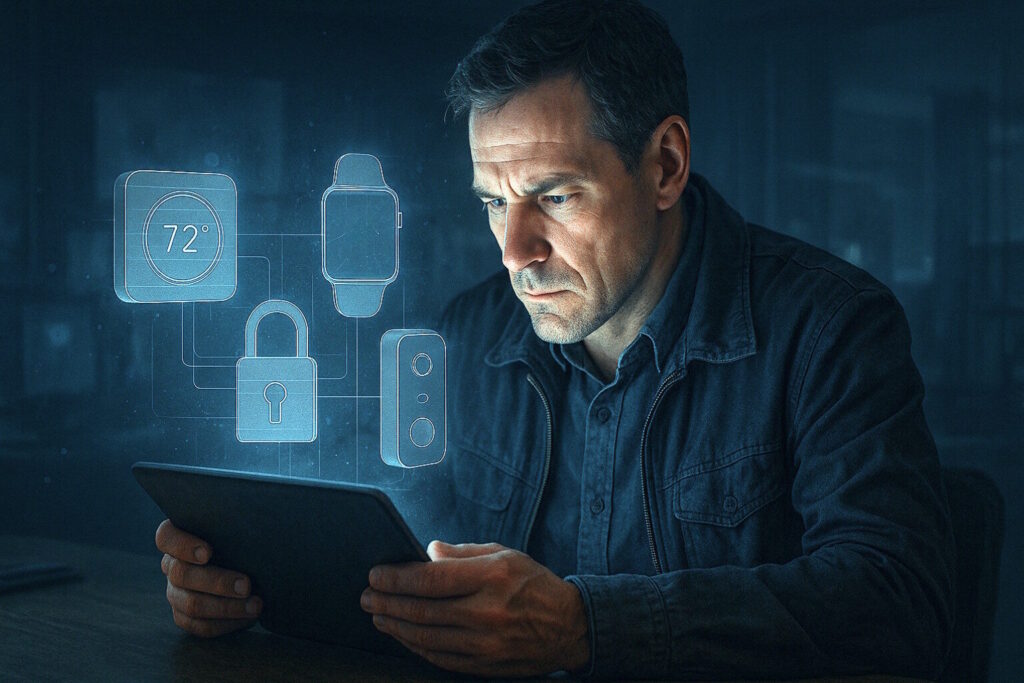
Now imagine this: a home break-in happens. There are no witnesses. But a smart doorbell captured motion. The smart lock recorded a failed attempt to enter. And the thermostat noticed someone set the temperature lower than usual.
All of these data points become part of the digital footprint. Investigators can use them to reconstruct timelines, identify possible suspects, and support legal arguments.
You don’t need to be a tech expert to understand the impact. The more devices we use, the more data trails we leave. That’s exactly where IoT forensics fits into the picture.
Why It’s Gaining Momentum: Everyday Devices, Real-World Clues
Here’s a question more people are asking: Why is IoT forensics growing so fast?
One big reason is scale. There are now billions of connected devices worldwide. From smart city traffic systems to fitness wearables, these gadgets are constantly collecting and storing data.
But it’s not just the volume. It’s the value of that data. Unlike traditional forensics, which might rely on hard drives or emails, IoT forensics pulls insights from unexpected places—like your smart light switch or car navigation system.
This field is also gaining attention because of its versatility. It’s not just about catching criminals. Insurance companies use smart device logs to verify claims. Employers monitor machinery data to understand workplace incidents. And cybersecurity experts rely on IoT logs to track breaches.
In short, IoT forensics bridges the gap between the digital world and the physical one. It brings context to events. It answers questions people didn’t know smart devices could help solve.
The Challenges and the Opportunity
Of course, there are hurdles. Not every device stores data in the same way. Accessing it legally can be tricky. And privacy laws are still catching up.
But here’s the thing—despite these challenges, the demand for IoT forensics is only growing.
Companies want better ways to protect assets. Governments need tools for public safety. And consumers expect accountability when things go wrong. That creates a real opportunity for professionals who understand how to pull valuable insights from smart devices.
So even if you’re new to the idea, it’s worth paying attention to. The next generation of digital investigations will likely depend on it.
Where IoT Forensics Fits in the Bigger Picture
You might be thinking, “Okay, but where does this really apply?”
Let’s look at a few practical examples where IoT forensics is already making a real impact:
- Law enforcement: Using smart doorbells and car sensors to verify timelines. Investigators can review footage from motion-activated cameras or location data from vehicles to reconstruct movements or confirm alibis. In some cases, smart home logs have even captured break-in attempts that human witnesses missed.
- Insurance investigations: Reviewing data from connected homes to validate claims. If someone reports a house fire or flood, insurers can cross-reference sensor data to verify environmental conditions like temperature, humidity, or water flow. This helps reduce fraud and accelerates claims processing.
- Workplace safety: Analyzing wearable data to understand accidents. Smart helmets and vests can track movement, exposure to harmful substances, or impact events. This information helps companies improve training, reduce liability, and prevent future incidents.
- Health and medical cases: Checking logs from fitness trackers for insight into patient behavior. Wearables can show heart rate, sleep patterns, and step counts leading up to an incident. This data has been used in everything from personal injury lawsuits to missing person investigations.
- Cybersecurity response: Identifying unauthorized access through IoT activity logs. Connected devices often record login attempts, firmware changes, or remote commands. Reviewing this activity can help trace the source of a breach or contain an ongoing attack.
Each of these examples shows that IoT forensics isn’t limited to one field—it’s becoming a critical tool across industries.
Conclusion: The Clues Are Already There
IoT forensics is changing the way we think about digital evidence. It’s helping investigators see more, faster, and with greater context. As connected devices become more common, they also become silent witnesses to what really happened.
And that’s what makes this field so exciting. It opens new doors—not just for security and justice, but for transparency and trust.
If you’re interested in how emerging technologies like IoT are shaping the future, Tech Scope Connect is where these conversations unfold. Join us for thought-provoking panels, expert insights, and live sessions that explore the intersection of tech and trust.