Key Takeaway: Drone as first responder (DFR) sends a drone to an emergency scene before ground teams arrive. That live aerial view helps dispatchers and responders assess hazards, choose safer tactics, and act faster. Instead of replacing police, fire, or EMS crews, drone as first responder gives them better information from the start. That is why more communities see DFR as a smarter, safer way to support emergency response.
The New Eyes That Arrive Before the Sirens
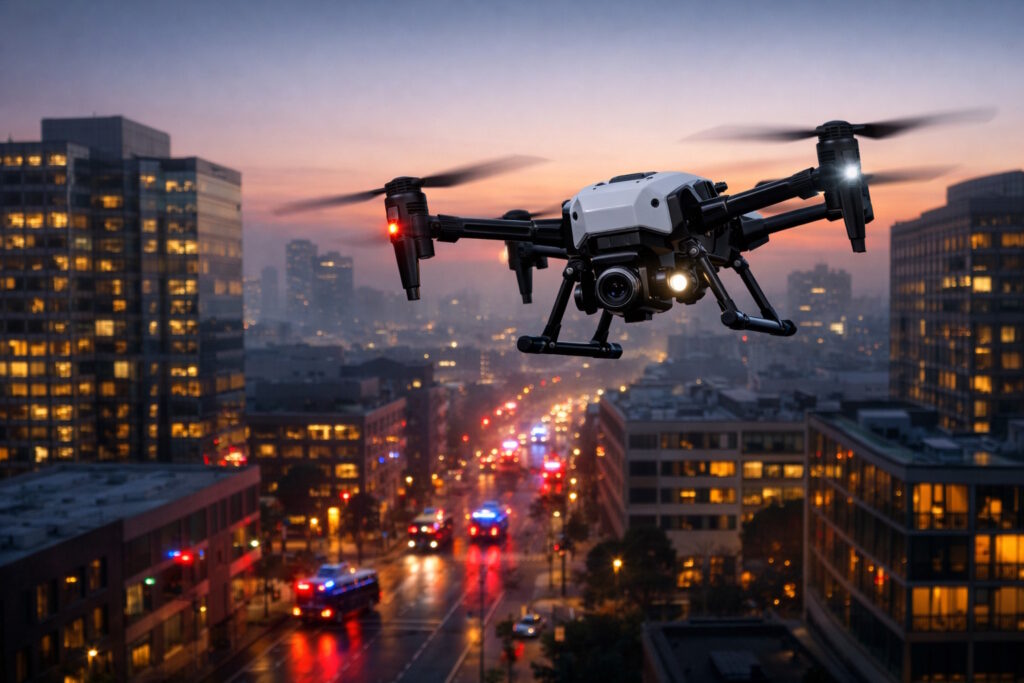
Drone as first responder is changing how emergency teams size up a scene before anyone steps out of a vehicle. You may also hear it called DFR, an emergency response drone program, or a public safety drone model. The idea matters now because agencies want faster information, safer responses, and calmer decisions.
At its simplest, this model sends a drone to a call before a police officer, firefighter, or medic arrives. The drone reaches the area first, captures a live view, and helps teams understand what is happening. That early view can shape everything that follows. It can influence route choices, staffing decisions, and even the tone of the response.
Why does that matter to you? Emergencies move fast, and early information changes outcomes. A better view can reduce confusion, lower risk, and help responders act with more confidence. That is why these programs have moved from novelty to serious public conversation.
Why Drone as First Responder Gets Attention So Quickly
So, what makes this idea stand out? The answer is simple. Most emergency calls begin with limited information. A caller may report smoke, a crash, or a person in distress. Yet phone calls only reveal part of the picture. A drone can show the scene in real time and fill in important gaps before crews arrive.
That speed can matter in many situations. A fire crew can spot where smoke is drifting. Police can see if a suspect has left the area. Search teams can scan a wider space when every minute feels heavy. In some cases, responders may learn that a scene looks calmer than first reported. In others, they may realize they need more help right away.
People quickly understand the value of seeing first and reacting second. In emergency response, that order can change everything. It can shape safety, timing, and judgment in the first moments of a call.
From Call to Camera Feed: How It Works
Many readers ask the same question next: how does it actually work? In most programs, a drone sits ready at a station, on a roof, or inside a dock. When a call comes in, a trained operator launches it toward the scene. The drone sends live video back to dispatchers, supervisors, or field teams.
That process sounds futuristic, but the goal is very practical. Teams want better information before they arrive. The drone does not replace the people heading to the call. It gives them a clearer picture so they can respond with more purpose.
You do not need technical knowledge to understand the appeal. Think of it as a fast aerial viewpoint. Instead of arriving blind, teams arrive informed. Instead of relying only on reports, they can compare the call with what the camera shows. That shift may seem small, yet it can change decisions in important ways.
A lot of public interest comes from this point. People are not excited about a flying machine alone. They are responding to the promise of faster awareness when seconds feel expensive.
How Drone as First Responder Fits Into Modern Response
A common question follows right away: does a drone replace first responders? No, and that distinction matters. A drone supports the response. It does not take the place of trained people on the ground. Officers, firefighters, and medics still make decisions, offer care, and handle the scene.
What changes is the starting point. Teams no longer begin with only a radio update or a caller’s description. They may already know where traffic is building, whether a roof has active flames, or whether a person is still nearby. That knowledge can improve safety for responders and for the public.
It can also help agencies use resources more wisely. Some calls need a larger response. Others need a different approach. When teams understand the scene early, they can adjust faster and avoid guesswork. That can reduce unnecessary risk and improve coordination between agencies.
This is why many departments view drone as first responder as more than a tech trend. They see it as a practical layer of modern emergency response. It adds information at the moment when information matters most.
More Than a Gadget: Why Communities Care
The strongest reactions to DFR are not only about speed. They are also about trust. When people hear that a city or department uses drones, they often ask a simple question. Are these aircraft always watching? That concern is understandable, and it shapes public debate around the topic.
In many programs, the answer is no. Agencies often describe DFR as a tool for specific calls, known incidents, or urgent public safety needs. That does not erase privacy concerns, but it does explain why policy and communication matter so much. Communities want to know when drones fly, what they record, who can view the footage, and how long agencies keep it.
That conversation will likely stay central as programs grow. People may support faster response while still wanting clear guardrails. In fact, those goals often go together. Public trust tends to rise when agencies explain the mission and show how they protect privacy.
This human side often decides whether a program gains traction. The technology may impress people first. Clear rules and honest communication usually determine whether support lasts.
What the Next Few Years Could Look Like
If you are wondering where this goes next, you are not alone. More agencies will likely explore faster launches, better camera feeds, and smoother coordination with dispatch. The model makes sense because it meets a simple need. Teams want a clearer view before they commit people and equipment.
At the same time, the conversation will grow beyond the aircraft itself. Readers will hear more about training, community standards, and human judgment. The future of DFR will not depend on hardware alone. It will depend on whether agencies can blend speed with accountability and innovation with trust.
That balance makes this topic so interesting right now. It sits at the crossroads of public safety, technology, and everyday civic life. It feels modern, but it also touches old questions about how communities stay safe and who should watch over that process.
Conclusion: A Smarter First Look at the Scene
Drone as first responder has captured attention because it speaks to a basic need in emergencies: seeing clearly before acting. It gives teams a faster view, helps them make calmer decisions, and can improve safety for everyone involved. For readers who are new to the topic, that is the big idea to remember. DFR is not about replacing people. It is about helping people respond with better information.
As more communities explore this model, the biggest question may not be whether the technology works. The bigger question is how cities and agencies use it responsibly. That is where trust, policy, and public understanding matter most.If you want to follow the bigger shifts shaping technology today, Tech Scope Connect is a great place to keep learning and stay connected to the wider conversation. Join us!