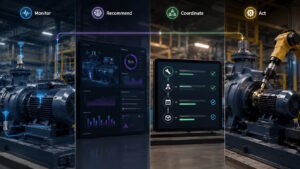

Key Takeaway: Circular tech turns circularity from a sustainability concept into a practical business approach. It helps companies think beyond the first sale by designing products to last longer, tracking product data, supporting repair and returns, and finding ways to reuse, refurbish, or recover value. Inside a business, this can touch product design, operations, logistics, customer service, marketing, finance, and IT. The goal is simple: keep products, parts, materials, and value in motion for as long as possible, while reducing waste and creating better customer experiences.
Circular Tech Moves From Idea to Operating Habit
Circular tech is becoming relevant because businesses can no longer treat products as one-way journeys. Leaders now hear about circular economy technology, closed-loop systems, sustainable technology, and product lifecycle innovation in boardrooms. The language can sound polished, but the basic idea feels practical. A business makes something, sells it, supports it, learns from it, and finds ways to keep value in motion.
For many teams, the first question sounds simple: “What does circularity actually look like at work?” The answer rarely begins with a dramatic overhaul. It often begins with smaller decisions about design, data, repair, returns, and customer experience. The goal is not to chase a trend. The goal is to waste less value after products leave the factory, warehouse, or storefront.
Circular tech helps companies rethink what happens after the first sale. Instead of treating a product’s end of life as someone else’s problem, the business stays connected. That connection can create less waste, better customer relationships, and new ways to recover value.
The Buzzword Becomes a Business Question
Circularity can sound abstract when it sits inside a sustainability report. It becomes clearer when you place it inside daily work. Picture a company that sells connected devices, industrial equipment, apparel, appliances, or packaging. Each product has materials, parts, service needs, customer touch points, and eventual disposal risks.
Now ask a practical question: “Where does value leak out of this system?” Maybe customers throw away repairable products. Maybe teams lack data about product condition. Maybe returned items sit in a warehouse until someone writes them off. Maybe the company buys new materials while usable parts leave through the back door.
Circular tech gives leaders a way to see those blind spots. It does not mean every company must become a rental platform or recycling expert. It means the company starts looking at products as assets with longer lives.
Where Circular Tech Shows Up Inside a Business
Inside a business, circular tech usually appears across several connected areas. Product teams start with design. They ask whether an item can last longer, come apart more easily, or support upgrades. A product that can be repaired has a different future than one built for disposal.
Operations teams look at movement. They think about returns, inspections, refurbishment, resale, and responsible recycling. These workflows sound less glamorous than innovation labs, but they shape the real outcome. A take-back program needs places, people, labels, systems, and partners.
Data teams create the memory of the product. They help the business know what the product contains, where it went, and what happened during use. Without that memory, circular plans turn into guesswork.
Customer teams also play a major role. People will not return, repair, or resell products if the experience feels confusing. Circularity works better when the customer sees a clear benefit, not just a corporate promise.
From First Sale to Second Life
A traditional product model often celebrates the first sale. Circular thinking asks what happens next. Could the customer repair the product instead of replacing it? Could a returned item serve another buyer? Could the business recover parts for future production?
These questions fit many sectors. A manufacturer might track parts so technicians can replace them faster. A retailer might create a resale channel for returned goods. A technology provider might help customers extend device life through maintenance alerts. A packaging company might design containers that move through repeated use.
The shared idea stays simple. A product should not lose all value after one use, one owner, or one contract. The business can often create more value by planning for what comes next.
That shift also changes the story a company tells customers. The company moves beyond, “We sell this product.” It can say, “We help you get more life from this product.” That message feels practical, especially when budgets remain tight.
The Data Layer Without the Jargon
You may wonder, “Does circularity always need advanced technology?” Not always. Some companies begin with better labels, cleaner inventory records, or clearer repair workflows. Yet digital tools can make the model easier to manage at scale.
For example, a product record can show materials, parts, repair history, or ownership status. A simple scan can help a service team choose the next step. The team may repair, refurbish, resell, or recycle the item. A dashboard can show where returned products pile up, and where value disappears.
This is where circular tech earns its name. It connects physical products with useful information. The technology does not replace operational discipline. It supports better decisions across the product’s life.
The best systems do not bury teams in data. They answer everyday questions. What is this product? What condition is it in? Can we fix it? Can someone use it again? What is the most responsible next step?
What Changes for Each Team
Circularity touches more than the sustainability department. Product teams think about durability, repair, and modularity. Procurement teams ask different questions about materials and suppliers. Operations teams build pathways for returns and reuse.
Finance teams may see value beyond the first transaction. Service teams may become central to growth, not just support. Marketing teams can tell a stronger story when claims connect to real customer benefits. IT teams help the business connect product data, customer data, and supply chain data.
This cross-functional nature often surprises people. Someone might ask, “Who owns circularity in a company?” The honest answer usually involves several teams. One group may lead the strategy, but many teams shape the outcome.
A circular business does not emerge from a single policy. It develops through repeated choices across design, sales, service, logistics, data, and measurement.
A Simple Maturity Ladder
Many businesses do not leap into circular models at once. They move through stages. First, they may focus on recycling and waste reduction. Then they may add repair, maintenance, or take-back options. Later, they may build resale, refurbishment, or product recovery into normal operations.
At a more advanced stage, the company designs products with future recovery in mind. Teams plan for reuse before the first unit ships. Data also becomes more useful as the model matures. The company can track product identity, condition, service history, and recovery options.
This progression helps leaders avoid overwhelm. They do not need to solve everything at once. They need a clearer view of where products lose value, and where the business can intervene.
The Mistakes That Make Circularity Feel Hollow
Circularity can lose credibility when companies treat it like a slogan. Customers notice vague claims. Employees notice when goals lack budget, process, or ownership. Partners notice when take-back promises lack logistics.
One common mistake involves confusing circularity with recycling alone. Recycling plays a role, but it often captures value late. Repair, reuse, refurbishment, and smarter design can preserve more value earlier.
Another mistake involves buying technology before mapping the problem. A tool cannot fix unclear ownership or broken workflows. The best starting point often looks less flashy. A business studies where products go, how returns work, what data exists, and where recoverable value gets lost.
A third mistake involves ignoring customer convenience. If returns feel difficult, people will skip them. If repair takes too long, people will replace products instead. Circular models need attractive experiences, not only responsible intentions.
Why This Topic Is Catching Executive Attention
Circularity has started to move beyond environmental messaging. It now touches resilience, cost control, customer loyalty, and brand trust. When materials become expensive, recovered value looks more attractive. When customers want practical sustainability, repair and reuse can feel more credible than broad promises.
Circular tech also creates a fresh lens for innovation. It invites companies to ask better questions about old processes. What if returns became a source of insight? What if service data guided product design? What if second-life products opened new customer segments?
For leaders, the appeal comes from the mix of purpose and practicality. Circularity can support sustainability goals, but it can also reveal waste hidden inside normal operations.
Conclusion: Turning the Circle Into Everyday Business
Circularity sounds bigger than it needs to feel. At its best, it helps a business see products as living assets. Those assets move through design, sale, use, service, return, and renewal. Each stage offers a chance to protect value and reduce waste.
The real promise sits in practical decisions. Companies can design products to last longer. They can make repair easier. They can track items with better data. They can build return paths that customers actually use. They can turn forgotten inventory, used products, and spare parts into new opportunities.
You do not need to master every detail to start the conversation. A useful first question might be, “Where do our products lose value today?” Leaders can then explore the teams, processes, and systems that keep value moving. Circular tech gives businesses a clearer way to connect sustainability with operations, customer experience, and growth
To keep exploring the trends reshaping business and technology, join Tech Scope Connect for thoughtful conversations with the people closest to what comes next.