
Key Takeaway: Operational sustainability focuses on reducing hidden operational waste across buildings, workflows, logistics, infrastructure, and daily business systems. Unsustainable operations can quietly increase energy costs, downtime, inefficiency, and operational risk. As businesses face rising infrastructure pressure and resource demands, many now view operational sustainability as a practical way to improve efficiency, resilience, and long-term performance.
Operational sustainability is becoming harder for businesses to ignore as inefficient systems quietly drain performance. The topic no longer lives only in ESG reports, environmental pledges, or annual sustainability updates. It now shows up in energy bills, downtime, supply delays, maintenance problems, and slow workflows.
Many businesses already know they should reduce waste. The harder question is more practical: where is the waste hiding?
Sometimes it hides in buildings that use too much power. Sometimes it hides in manual processes that make people repeat the same work. It can appear in disconnected software, outdated equipment, inefficient logistics, or emergency repairs that could have been prevented earlier.
This is where operational sustainability becomes a useful business idea. It connects sustainability with how a company actually runs. Instead of asking only, “Are we doing something green?” it asks, “Are our systems built to last, adapt, and avoid waste?”
That question matters for more than the environment. Unsustainable systems can cost money, reduce productivity, frustrate teams, and make companies less resilient when conditions change.
What Is Operational Sustainability?
Operational sustainability means building daily business operations around efficiency, durability, adaptability, and smarter resource use. It is not just a climate goal or a branding exercise. It is a practical way to look at how work gets done.
A company can have a strong sustainability message and still run inefficient operations. Its facilities may waste energy. Its teams may rely on outdated processes. Its supply chain may create unnecessary movement. Its equipment may fail too often because maintenance happens too late.
So, what does this mean in plain English?
It means sustainability becomes part of everyday business performance. A more sustainable operation uses fewer resources to achieve the same or better results. It avoids unnecessary waste. It reduces preventable disruption. It also gives teams better visibility into where problems begin.
For a business leader, this can feel less abstract than traditional sustainability talk. The issue is not only carbon footprint or environmental reputation. The issue is whether the company’s systems work well over time.
The Costs That Hide in Plain Sight
Unsustainable systems rarely announce themselves all at once. They often create small leaks across the business. One inefficient process may seem harmless. One outdated system may feel manageable. One rushed repair may look like a normal cost.
Over time, those small problems build into a bigger operational burden.
Energy waste that keeps sending a bill
Energy waste is one of the clearest examples. A building with poor controls may heat, cool, or light spaces that nobody uses. Equipment may stay powered during idle hours. Older systems may consume more energy than the work requires.
At first, this may look like a facilities issue. In reality, it affects the whole business. Higher energy use raises costs and limits flexibility. It can also make future sustainability goals harder to reach.
The same idea applies beyond buildings. Data systems, production equipment, fleets, and warehouses can all waste energy when teams lack visibility or control.
A natural question is, “Can small inefficiencies really make a difference?”
Yes, especially when they repeat every day. A small waste pattern across many locations, devices, routes, or processes can become a major cost over time.
Fragmented systems create operational friction
Disconnected systems can also make a business less sustainable. When teams rely on separate tools, duplicate records, or manual handoffs, work slows down. People spend more time finding information than acting on it.
This kind of friction creates waste without looking like waste. It may not show up as trash, emissions, or broken equipment. It shows up as delay, confusion, rework, and lost momentum.
For example, a procurement team may not see what operations already has in stock. A facilities team may not get early warning about energy spikes. A logistics team may miss chances to combine routes or reduce unnecessary movement.
In each case, the business uses more effort than needed. That makes operations more expensive and less adaptable.
Reactive operations waste more than time
Many companies still run parts of their business reactively. They fix equipment after it fails. They respond to supply problems after delays appear. They address energy use after costs rise.
Reactive work often costs more than planned work. Emergency repairs can interrupt production. Last-minute shipping can raise expenses. Rushed decisions can create more waste than careful planning.
This does not mean every business needs advanced technology everywhere. It does mean teams benefit from earlier signals. When companies can spot patterns sooner, they can reduce downtime and avoid unnecessary strain.
Operational sustainability supports that shift. It encourages businesses to ask what they can prevent, not just what they can clean up later.
Why This Is Becoming a Business Priority
Sustainability used to sit apart from operations in many organizations. One team handled reporting. Another team handled facilities. Another team managed procurement, logistics, or production.
That separation is getting harder to maintain. Energy costs, infrastructure pressure, supply disruption, and customer expectations now connect sustainability with everyday performance.
Efficiency and sustainability are sharing a table
Efficiency and sustainability often point in the same direction. A company that reduces wasted energy may also lower operating costs. A company that improves maintenance may reduce downtime and extend asset life. A company that streamlines logistics may cut fuel use and improve delivery performance.
This overlap makes the topic easier to discuss across the business. Sustainability does not have to feel like a separate initiative. It can become part of improving how the company works.
That does not make every decision simple. Some upgrades require investment. Some changes need training, planning, or new habits. Still, the larger direction is clear. Waste is no longer just an environmental issue. It is an operational issue.
Resilience has entered the sustainability conversation
A sustainable system should not only use fewer resources. It should also handle pressure better.
Weather disruption, energy instability, supply-chain stress, and aging infrastructure can all affect business continuity. Companies that rely on fragile systems may struggle when conditions shift.
Resilient operations give teams more room to adapt. They can reroute work, respond faster, reduce dependence on single points of failure, and keep essential processes moving.
This is one reason sustainability now feels more practical to many businesses. It is not only about doing less harm. It is about building systems that can keep working when the environment around them changes.
Visibility changes the conversation
A business cannot improve what it cannot see. Many operational costs stay hidden because teams lack useful visibility.
They may not know which systems waste the most energy. They may not see where delays begin. They may not know which assets need attention before failure. They may not understand how one department’s process creates waste for another.
Better visibility does not need to overwhelm people with dashboards. It should help teams notice the right signals at the right time.
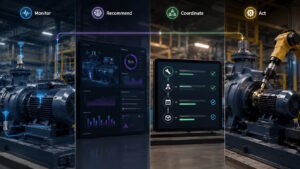
This is where tools like monitoring systems, analytics, sensors, and predictive insights can help. The goal is not technology for its own sake. The goal is better awareness, better timing, and better decisions.
What Operational Sustainability Looks Like in Practice
Operational sustainability can show up in many ordinary places. It often begins with practical improvements rather than dramatic transformation.
In buildings, it may involve smarter heating, cooling, lighting, and space management. Facilities teams can reduce waste when systems respond to real use instead of fixed assumptions.
In supply chains, it may involve better inventory visibility, improved routing, and fewer unnecessary movements. Companies can reduce waste when they coordinate people, materials, and timing more effectively.
In maintenance, it may involve watching for early signs of wear. Teams can repair or service equipment before failure creates bigger problems.
In planning, it may involve choosing systems that last longer and adapt more easily. Short-term fixes can feel convenient, but they often create more work later.
Operational improvements also depend on people. Policies, habits, training, and leadership choices shape the outcome. A company can buy better tools and still waste resources if teams lack alignment.
The best results often come when technology and behavior support each other.
From Doing Less Harm to Operating More Intelligently
The sustainability conversation is changing. Businesses still care about environmental impact, but they also care about cost, resilience, performance, and continuity.
That broader view makes the topic more relevant across the organization. Finance teams can see cost control. Operations teams can see workflow improvement. Facilities teams can see energy performance. Leadership can see long-term risk reduction.
This shift does not require every company to become perfect overnight. It starts with asking better questions.
Where do our systems create preventable waste? Where do delays repeat? Which processes depend on emergency fixes? Which assets fail too often? Where do teams lack visibility?
Those questions can reveal problems that traditional sustainability reporting may miss. They can also help companies find improvements that support both business performance and responsible growth.
Conclusion
Unsustainable systems often cost more than companies realize. They waste energy, slow teams down, create rework, increase downtime, and make operations harder to manage. Over time, those hidden costs can weaken both performance and resilience.
Operational sustainability gives businesses a practical way to look at those problems. To keep exploring how technology, infrastructure, and smarter operations are shaping the future of business, join the conversation at Tech Scope Connect.