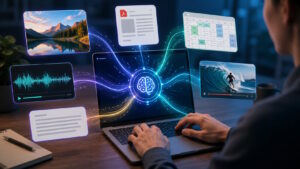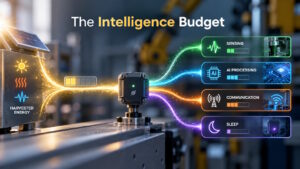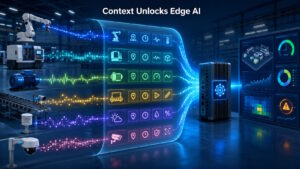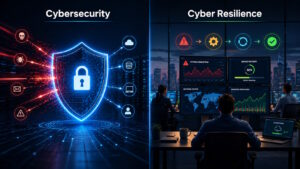
Key Takeaway: IoT technology is moving beyond sensors, connectivity, and data collection toward a more human-centered approach to automation. The next phase is not just about making systems smarter or faster. It is about designing connected systems that people trust, understand, and want to use. When automation supports real workflows, reduces friction, and helps people make better decisions, businesses are more likely to see lasting value from their technology investments.
Automation Is Getting a Human Upgrade
IoT technology is changing how businesses collect data, run operations, and automate everyday decisions. As the Internet of Things connects machines, sensors, devices, platforms, and smart systems, organizations are discovering something important. The success of connected devices does not depend only on technical performance. It also depends on whether people trust, understand, and use the systems around them.
For years, automation carried a simple promise. It would save time, reduce manual work, and help companies do more with less. That promise still matters. Businesses still want faster workflows, better visibility, and fewer repetitive tasks.
Yet a new question is gaining attention: What happens when the technology works, but people do not want to work with it? That question sits at the center of human-centered automation. It shifts the conversation away from replacing people and toward supporting them. It asks how automation can fit into real workflows, reduce friction, and help people make better decisions.
The Old Automation Story Is Starting to Feel Too Small
Automation used to sound like a numbers game. How many steps can a company remove? How many hours can a system save? How much faster can a process run? Those are useful questions, but they do not tell the whole story.
A system can process data quickly and still frustrate the people using it. A dashboard can display accurate information and still overwhelm a manager. A smart alert can warn a technician and still get ignored if it appears at the wrong time. This is where many automation projects run into trouble. The issue may not be the sensor, platform, algorithm, or device. The issue may be the experience around the technology.
People need to know what a system is doing. They need to understand when to trust it. They also need to feel that automation helps them, rather than watching over them or making their jobs harder. Human-centered automation starts with that reality.
Why People Still Decide Whether Automation Works
Here is a simple way to think about it. Automation adoption depends on human behavior. Employees may avoid a system if it interrupts their usual workflow. Customers may reject automation if it feels cold or confusing. Managers may hesitate to rely on automated recommendations if they do not understand the logic behind them.
This does not mean people resist every new tool. Most people welcome technology that solves a real problem. They just become skeptical when automation creates extra work, removes control, or adds uncertainty. That is why trust plays such a large role.
When people trust an automated system, they use it more confidently. When they understand its purpose, they give it a fair chance. When the system respects their workflow, they are less likely to work around it. The best automation does not demand attention for its own sake. It fits into the rhythm of work and makes that work easier to manage.
What IoT Technology Teaches Us About Adoption
IoT technology offers a useful window into this shift. Many connected systems now operate close to the people who manage buildings, factories, fleets, hospitals, cities, and equipment.
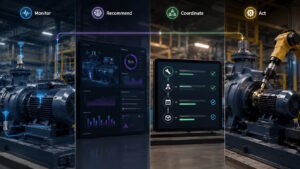
A smart factory may use connected sensors to monitor machine health. Yet the value appears when technicians can act on those insights. A smart building may adjust energy use automatically. Yet building managers still need clear information when something changes. A fleet system may track vehicles in real time. Yet dispatchers need alerts they can understand and trust. In each case, the connected system does not create value by collecting data alone. It creates value when people can use that data to make better decisions.
This is where human-centered automation becomes especially relevant. IoT systems often sit between the physical world and the human world. They monitor real conditions, trigger actions, and guide responses. If those systems feel confusing, intrusive, or unreliable, adoption suffers. So, the real opportunity is not only smarter infrastructure. It is smarter interaction.
From Replacing Tasks to Supporting Decisions
The conversation around automation is also changing. Many organizations once framed automation as a way to remove people from a process. That approach still works in some areas. Repetitive, predictable tasks remain strong candidates for automation.
But many business environments are not fully predictable. They involve judgment, context, communication, and fast-changing conditions. In those settings, automation works best when it supports decisions rather than simply replacing tasks. It can highlight patterns, prioritize urgent issues, and reduce manual checking. It can help teams see what needs attention first.
Think about predictive maintenance. The system may detect a possible equipment issue. Still, a technician may decide when to inspect it, how urgent it is, and what action to take. The automation improves visibility. The human adds context. That balance is the heart of human-centered automation.
Where IoT technology fits into the human workflow
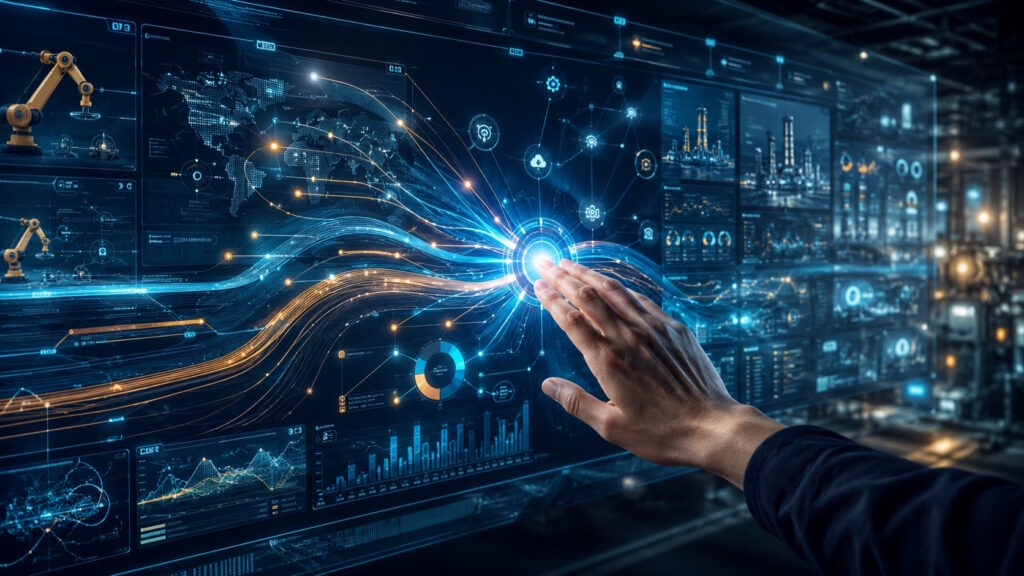
IoT technology often becomes part of daily work in quiet ways. It may appear through a dashboard, mobile alert, automated report, or connected control system. For the user, the experience may feel simple. A maintenance team sees an alert before a machine fails. A building manager gets a warning before energy use spikes. A logistics team spots a delay before customers start asking questions.
Behind the scenes, many connected devices may collect and share data. But the person using the system does not need to think about every sensor. They need the right information, at the right moment, in a form they can act on. That is what separates useful automation from noisy automation.
Trust Is the New Interface
Trust may become one of the most important design challenges in automation. A system can have a beautiful interface and still fail if users do not trust the output. A tool can deliver accurate recommendations and still struggle if people cannot understand them. A platform can offer advanced features and still sit unused if teams feel disconnected from it.
Trust grows when automation feels transparent. People do not need every technical detail. They do need enough clarity to understand what changed, why it changed, and what they should do next.
For example, an alert that says “equipment risk detected” may create uncertainty. An alert that says “temperature has risen above the normal range for 30 minutes” gives the user more context. That small difference can shape how people respond. Human-centered automation treats clarity as part of the product. It does not assume that better data automatically leads to better decisions.
The Business Case for Human-Centered Automation
Human-centered automation is not only a design idea. It is also a business idea. Companies invest in automation to improve performance. But poor adoption weakens that investment. If teams ignore alerts, avoid dashboards, or build manual workarounds, the organization loses value.
A more human-centered approach can help businesses get more from their technology. It can improve adoption, reduce confusion, and build confidence across teams. It can also help leaders spot friction before it becomes a larger problem.
This approach supports digital transformation as well. Many transformation efforts fail when they focus too heavily on tools and not enough on behavior. The technology may arrive on schedule, but the organization may not change with it. Human-centered automation helps close that gap. It reminds leaders that people are not obstacles to innovation. They are the ones who turn innovation into results.
Conclusion: The Future of Automation Still Has People in It
Automation will keep becoming more intelligent. Connected systems will keep expanding across industries. AI, sensors, data platforms, and smart infrastructure will continue to shape how businesses operate.
Yet the next phase of automation may feel more human, not less. Companies are learning that capability alone does not guarantee success. A system also needs trust, clarity, usability, and a real place in the workflow.
That is especially true as connected environments become more common. The more automation touches daily work, the more important the human experience becomes. The rise of human-centered automation points to a practical lesson. Businesses should not only ask what their systems can do. They should also ask how people experience those systems.
Want to keep exploring how IoT technology, automation, and human-centered innovation are reshaping the future of work? Join the conversation at Tech Scope Connect through our live newscasts, summits, and high-tech insights.