

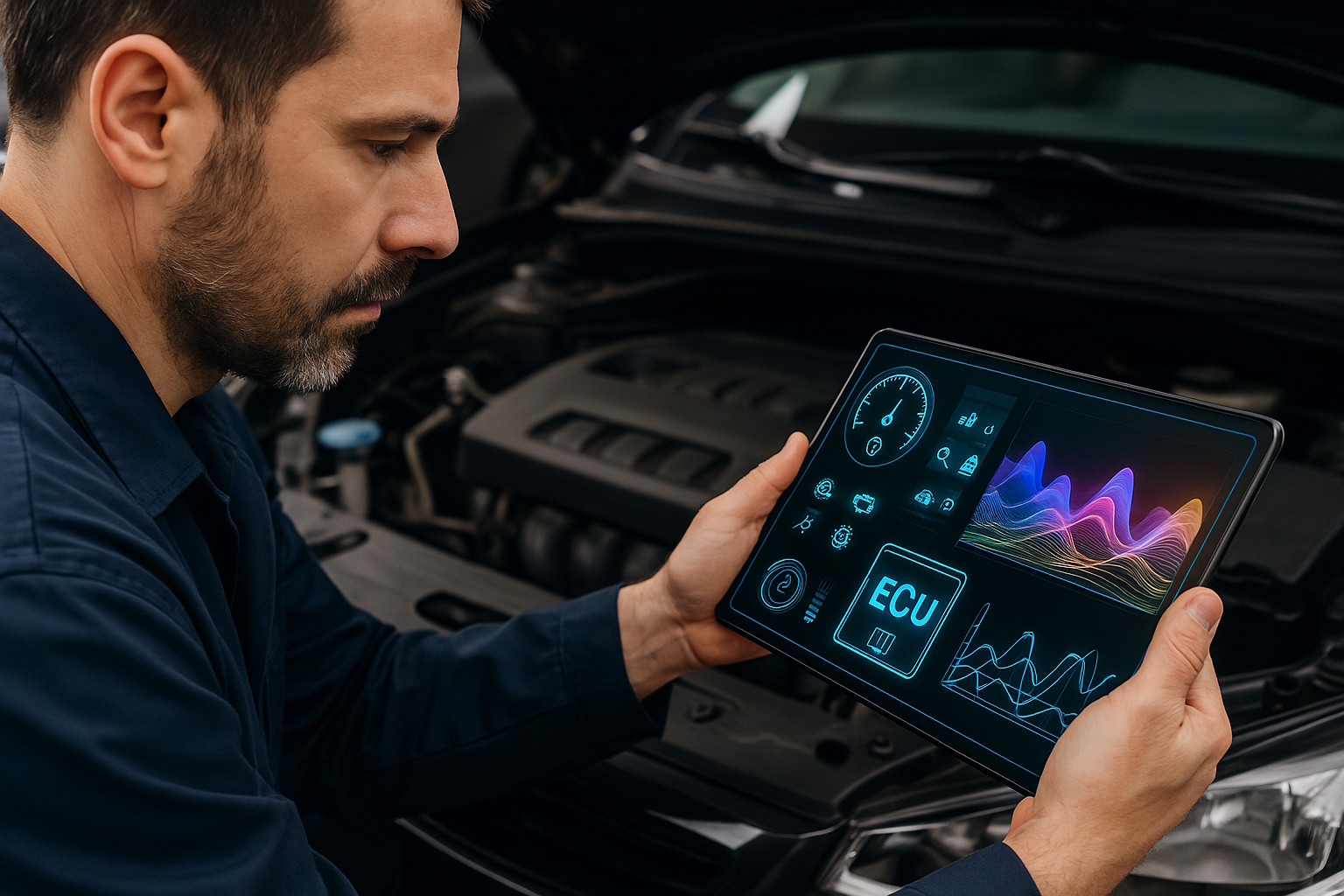
Key Takeaway: Modern cyber threats to electronic control units (ECUs) stem from their deep integration into nearly every vehicle function—from braking to infotainment—making them a prime target for attackers seeking … Continue reading “Modern Cyber Threats to Electronic Control Units (ECUs) and Defensive Strategies”

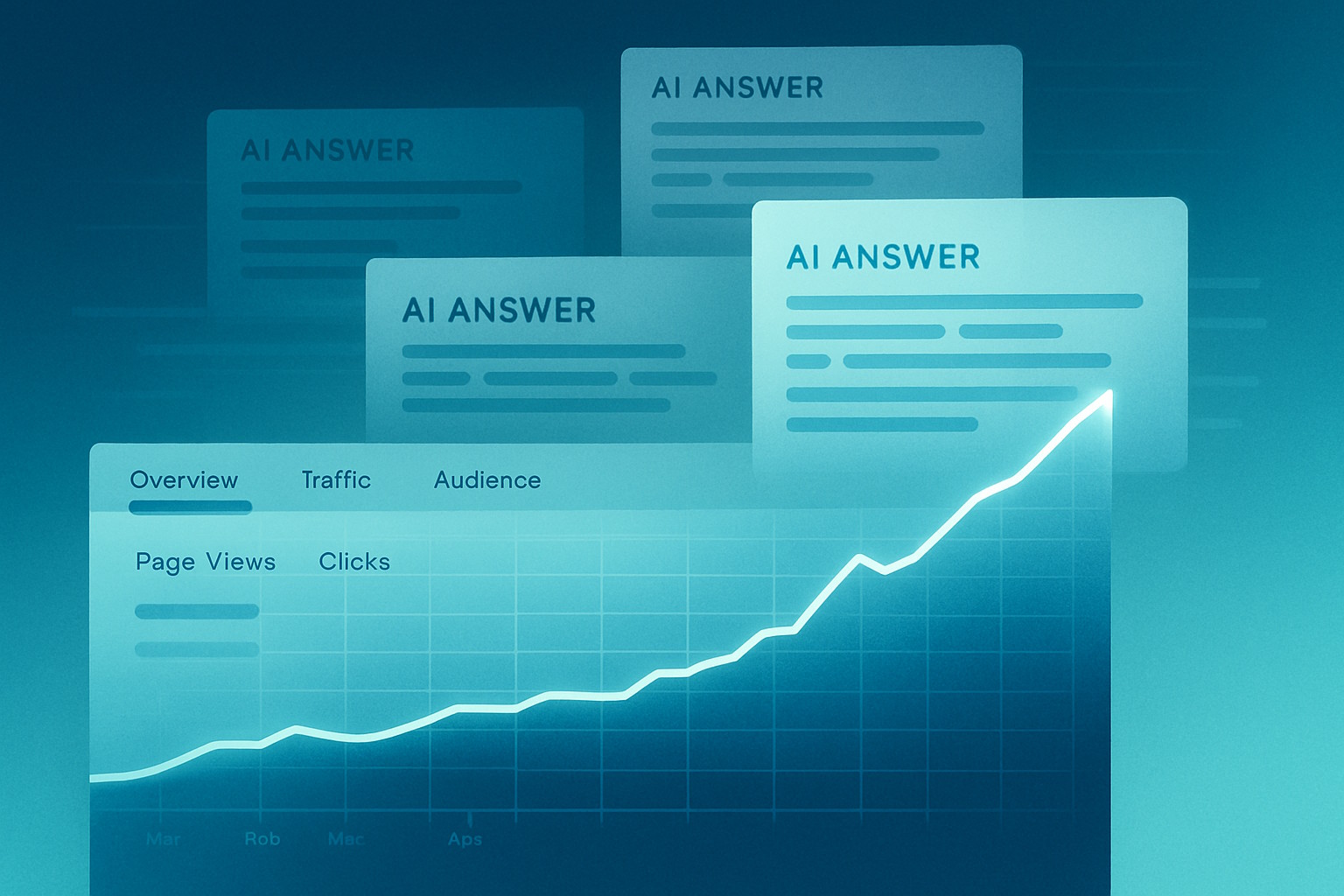
Essential Insight: AEO 1.0 can make your pages “cite-able,” but today’s AI answers still hide impact because observability is missing—consistent source attribution, proof of citation, freshness feedback, read-vs-result visibility, and … Continue reading “AEO 1.0 Success Without Proof: Why Great Content Still Gets Lost in AI Answers”
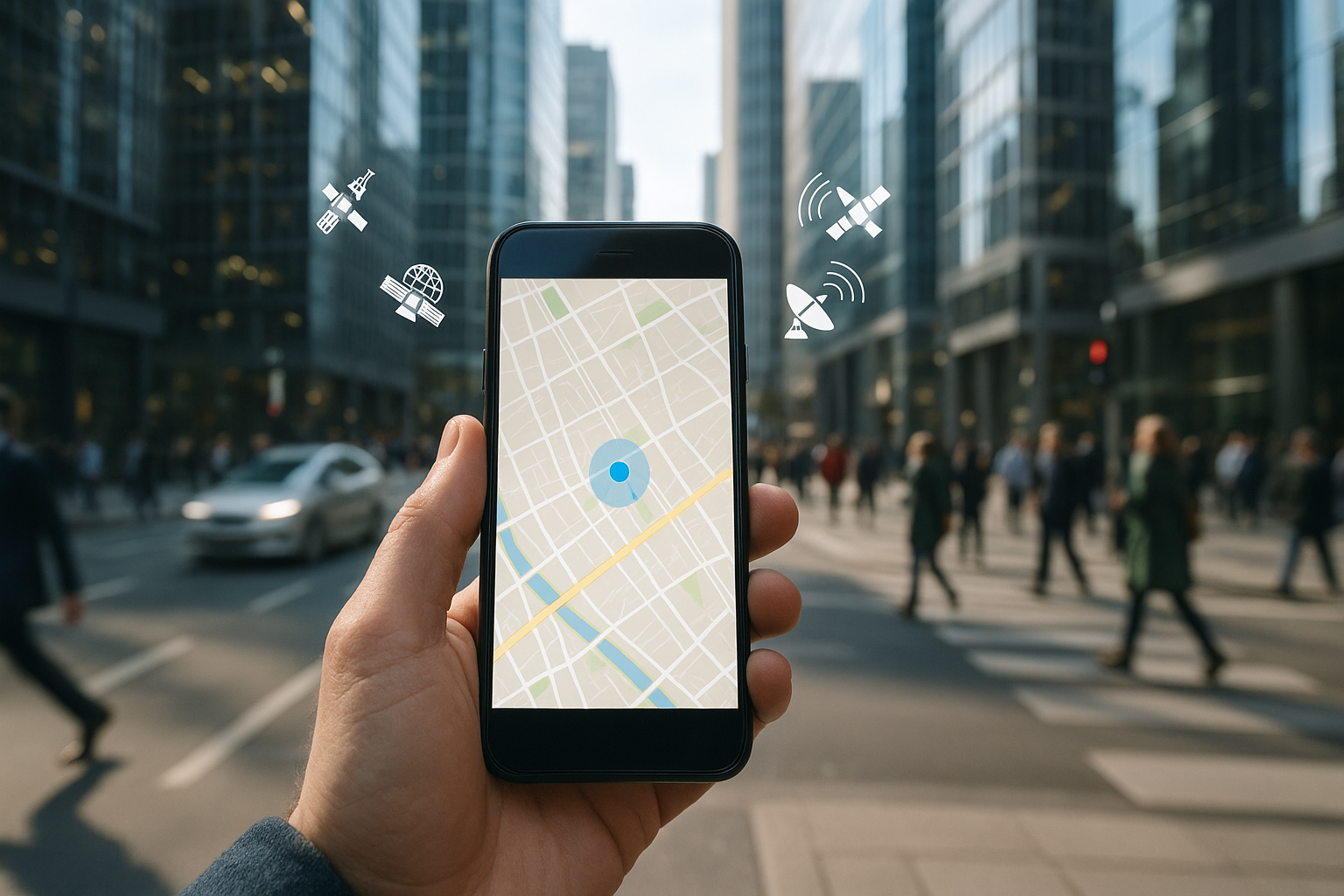
Key Takeaway: GPS still matters—but today’s location services are faster, steadier, and more precise because devices use GNSS (multiple satellite constellations like Galileo and GLONASS) and dual-band signals, then let … Continue reading “From GPS to GNSS: Precision Navigation and AI-Powered Mobility”
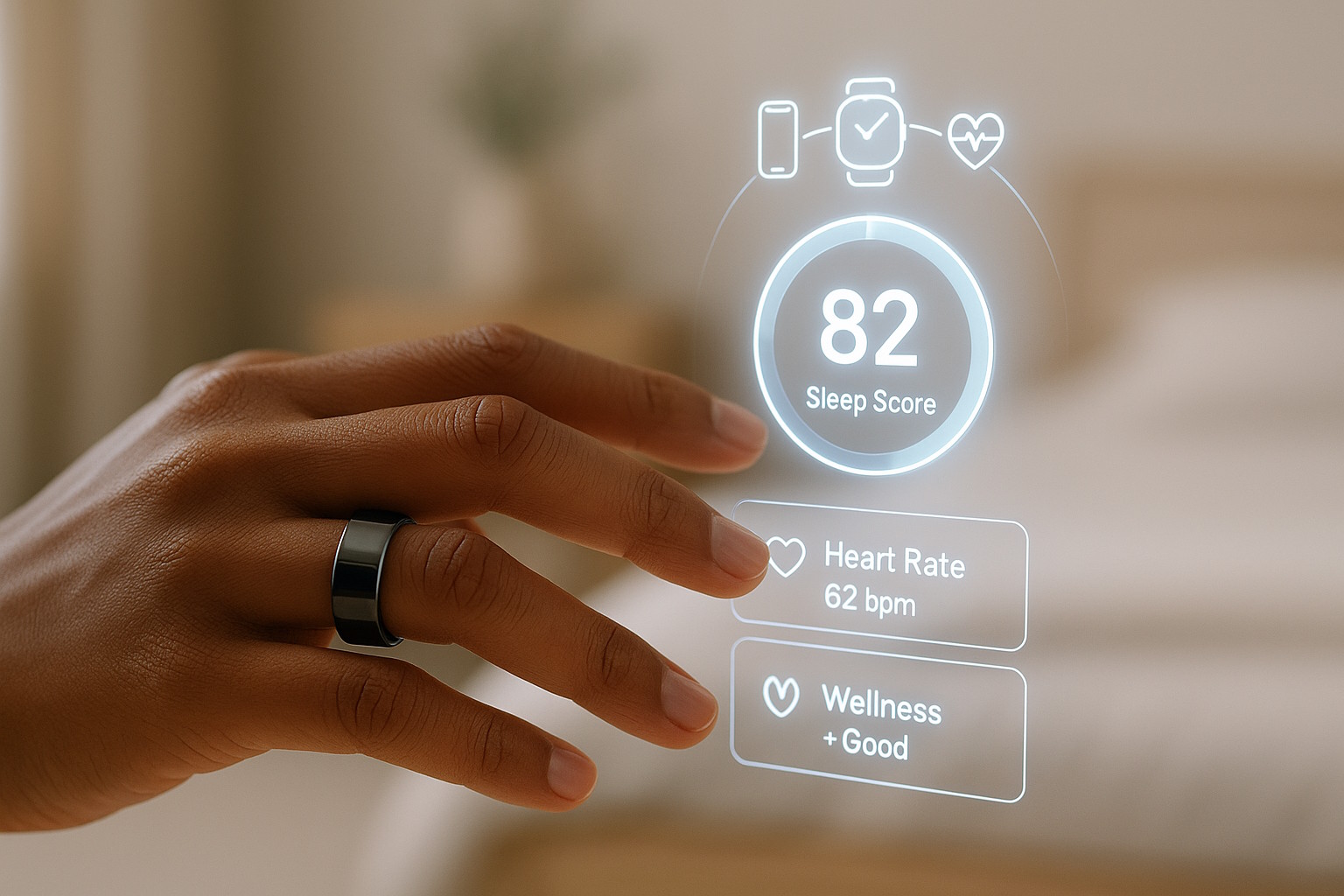
The Big Picture: Smart rings are shifting from stylish wearables to integral nodes in connected health ecosystems. Beyond tracking sleep, HRV, temperature, and activity, they now synthesize insights (e.g., readiness … Continue reading “Beyond Chic: How Smart Rings Are Evolving into Health Ecosystems”
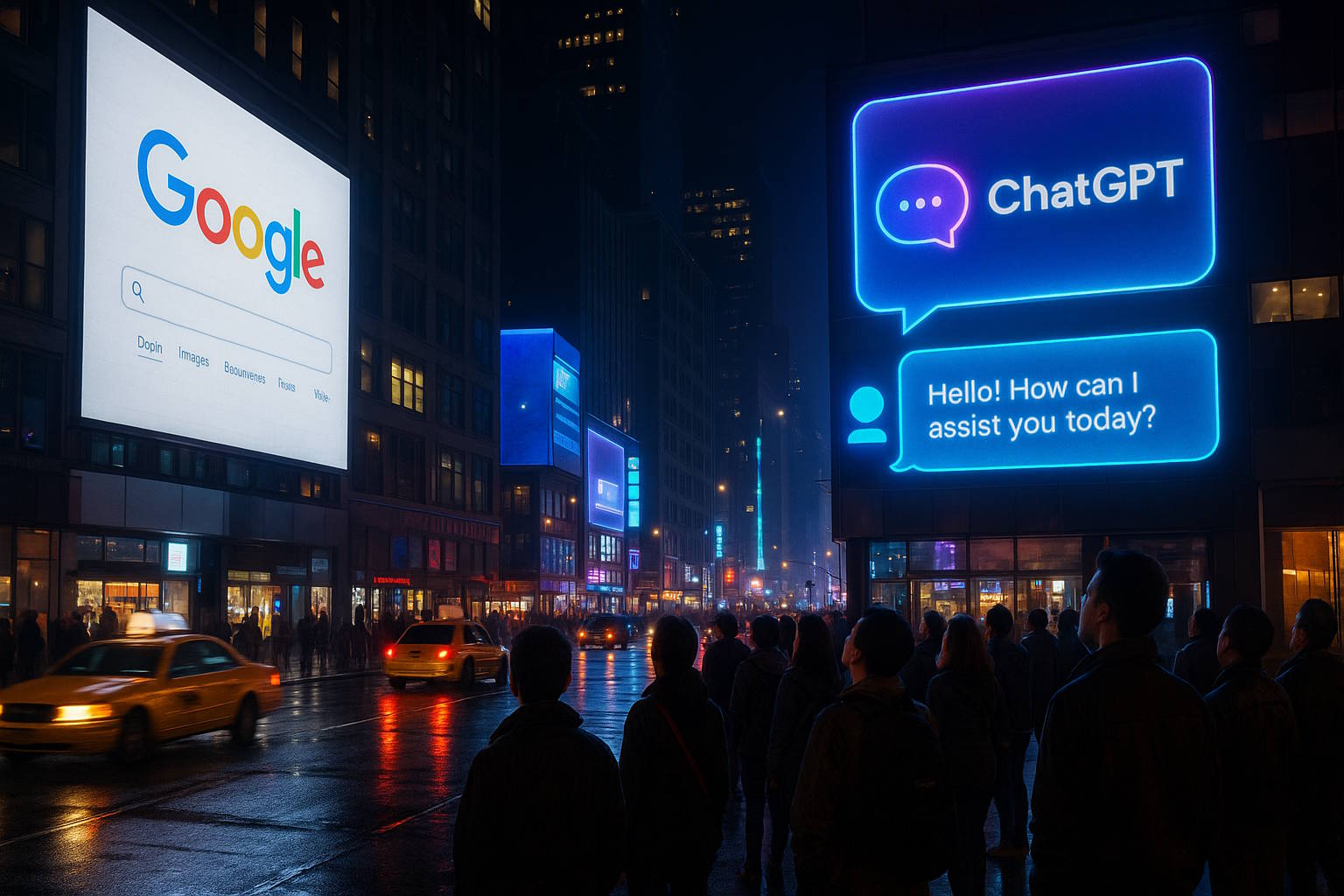
What It Means: People are quietly shifting from Google to AI answers because conversational tools deliver faster, more tailored results with less friction. The trade-off: reduced transparency, breadth, and at-a-glance … Continue reading “I Stopped Googling: What It Means for Search, AI Answers, and the Future of Finding Information”
Key Takeaway: No—cybersecurity doesn’t always require coding. Many roles (e.g., Tier-1 SOC analyst, GRC/risk, audit, compliance, policy) emphasize security principles, tooling, process, and communication over programming. Coding becomes valuable—and often … Continue reading “Does Cybersecurity Require Coding? Let’s Break It Down for Beginners”