


Statistical Process Control has been part of manufacturing for nearly a century. In many operations today, its outward form is increasingly automated: charts populate themselves, dashboards refresh in real time, … Continue reading “The “C” in SPC Stands for Control: Why You Need Both in Manufacturing”

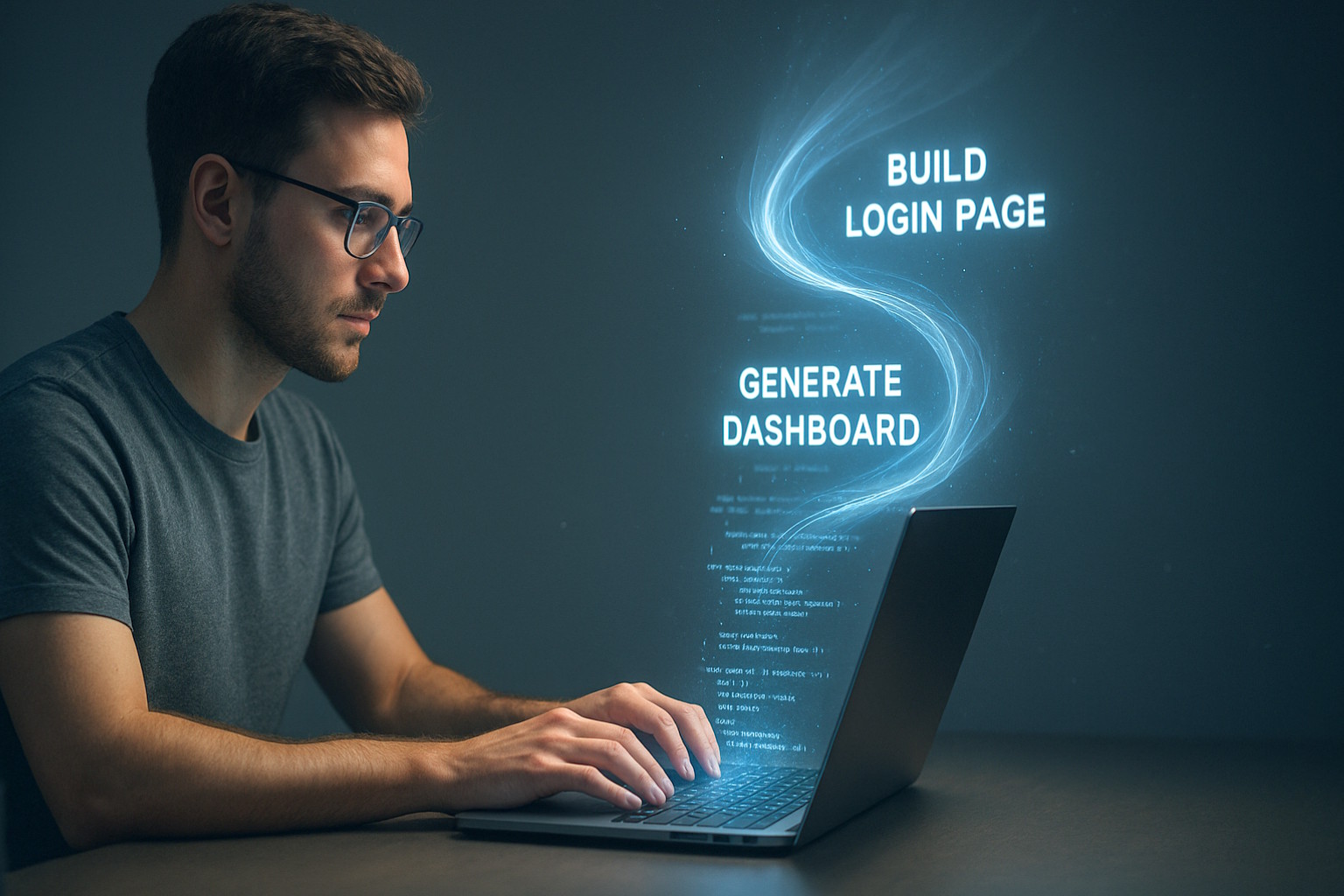
Key Takeaway: Vibe coding shifts the developer role from hands-on builder to thoughtful director. Instead of focusing primarily on writing syntax, developers increasingly guide intent, evaluate AI-generated drafts, and make … Continue reading “From Builder to Director: How Vibe Coding Changes the Developer Role”
Key Takeaway: Physical AI refers to artificial intelligence systems that interact directly with the real world through sensors, machines, and automated actions rather than remaining confined to software and screens. … Continue reading “Physical AI: Where Artificial Intelligence Meets the Real World”
Quick Answer: Vibe coding is an AI-assisted approach to programming where you describe your intent in natural language, and an AI model—such as ChatGPT or GitHub Copilot—translates that description into … Continue reading “What Is Vibe Coding? From Prompt to Program in Plain English”
Quick Answer: Shadow AI refers to the use of artificial intelligence tools inside organizations without the knowledge or approval of the IT or compliance function. Academic researchers define it as … Continue reading “Shadow AI: Risk, Rescue, or Roadmap to Adoption?”
Key Takeaway: AI climate change mitigation is helping drive sustainability by improving forecasting, reducing emissions, optimizing energy use, and enabling faster environmental response. Through smart modeling, logistics, and monitoring tools, … Continue reading “Top 7 Ways AI Climate Change Mitigation Is Transforming Sustainability Efforts”