Quick Answer: Yes, digital twins can accelerate decarbonization by helping organizations test changes before making them in the real world. These virtual models can reveal energy waste, improve efficiency, support smarter maintenance, and guide lower-carbon decisions in buildings, factories, transport systems, and power networks. They do not reduce emissions on their own, but they help teams find practical ways to cut carbon with less risk and better insight.
A Climate Problem You Can Actually See
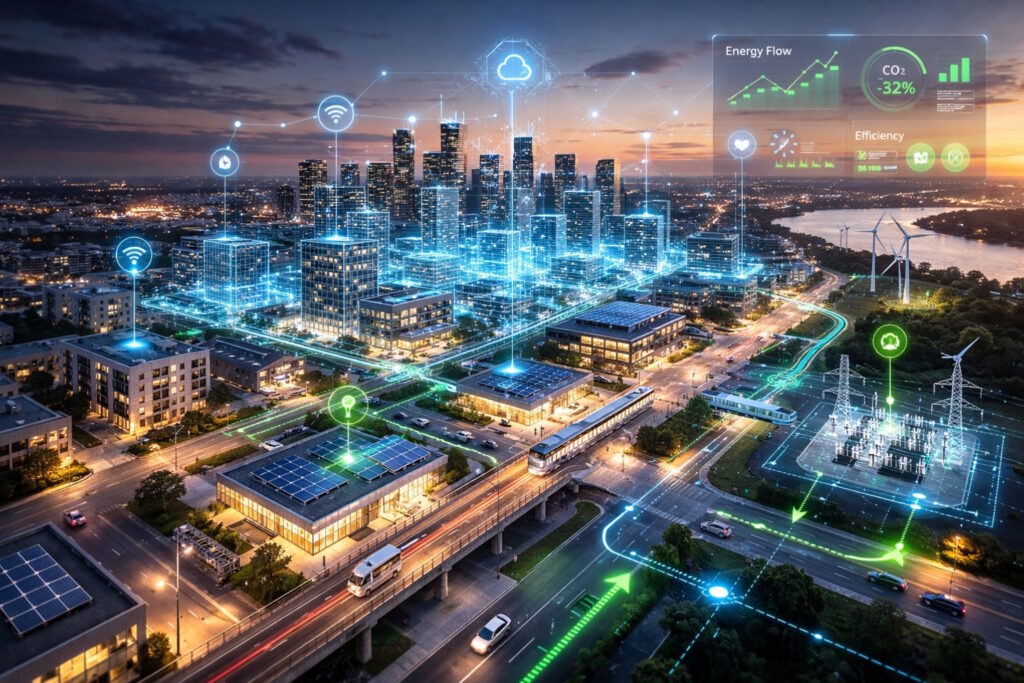
Digital twins are becoming part of the decarbonization story because they give organizations a way to see change before they make it. These virtual models, virtual replicas, and data-linked representations mirror physical assets such as buildings, machines, grids, and transport systems. That matters now because decarbonization is no longer a side project. Leaders need cleaner operations, lower waste, and smarter investment choices at the same time. A tool that lets you test options before spending real money naturally draws attention.
If you have ever wondered, “Can a software model really help cut emissions?” the answer is yes, in a limited but meaningful way. A twin does not remove carbon by itself. It helps people see where energy is wasted, where equipment underperforms, and which changes might deliver better results. That is why utilities, national labs, manufacturers, and building teams are exploring the idea across many systems.
What Are Digital Twins, Really?
At a basic level, the technology is a computer model of a physical system. Unlike a static diagram, it can draw on current data and forecast how the real system may behave. Think of it as a living model, not a frozen sketch. It can support monitoring, simulation, optimization, and decision support. In plain language, it helps you ask, “What happens if we change this?”
That simple question explains the appeal. Companies make climate decisions under pressure. They need to upgrade buildings, electrify fleets, add renewables, or squeeze waste from factories. Yet each move costs money. A twin can act like a rehearsal space. Teams can test scenarios there first, then move with more confidence in the physical world.
Why digital twins matter for decarbonization
Decarbonization often sounds abstract. In practice, it usually comes down to mundane issues: heating and cooling, routing, downtime, congestion, timing, maintenance, and equipment settings. Emissions rise when systems run longer than needed or work against each other. A model that shows these patterns can reveal practical places to improve. That makes the climate question feel less ideological and more operational.
This is where the technology starts to matter. It can help organizations compare one operating choice against another before making a costly change. It can also connect energy goals with business goals. When a company lowers waste, reduces downtime, or eases congestion, it often cuts emissions at the same time. The model is not the decarbonization plan. It is the tool that helps shape one.
From Buildings to Airports, the Idea Is Already Spreading
You can see this in buildings. The Department of Energy and Oak Ridge National Laboratory have used calibrated building energy models for efficiency, demand response, resilience, and customer planning. DOE has also highlighted ORNL work on a national building model. Cities and partners can use it to test energy cuts and pair those changes with renewable sources.
You can see it in transport as well. NREL used one at Dallas-Fort Worth airport to simulate real conditions, forecast sustainable solutions, and support electrification planning. In Chattanooga, researchers at NREL used a digital twin–based traffic model to optimize signal timing and reduce congestion and vehicle energy consumption. Those examples matter because transport decarbonization depends on coordination, not just new hardware.
The same pattern appears in energy infrastructure. DOE has described this approach in hydropower and other energy systems that benefit from better forecasting and safer testing. That makes sense. Grids and plants are complex, long-lived assets. When operators can test changes virtually, they can lower risk while preparing for more electrification and more variable clean energy.
Why the Interest Feels So Strong Right Now
So why does the idea feel bigger now? Part of the answer is timing. Many organizations need to modernize old systems while also meeting climate targets. They cannot afford endless trial and error. Digital tools already help energy systems become more connected, efficient, and sustainable. This approach fits that moment because it promises better foresight.
There is also a human reason. People understand models when the model stays close to the real world. A spreadsheet can feel distant. A data-linked model of a building, plant, or fleet feels concrete. In effect, it gives leaders, engineers, and operations teams a shared picture for decisions. That shared picture can help move climate discussions from general ambition to practical trade-offs.
Not Magic, but a Better Way to Ask the Right Questions
Still, you should not treat this technology as climate magic. A weak model will not fix a weak strategy. Teams still need clear goals, sound data, and people who understand the physical system. Standards, validation, lifecycle connections, and trust also matter if a twin is going to deliver credible value. Without that groundwork, the model can mislead as easily as it can guide.
That is why the best way to think about the trend is simple. These systems will not decarbonize anything on their own. People, capital, and policy still do the hard work. What the model offers is a clearer view before action. And in a world of expensive infrastructure and urgent climate goals, that clearer view can be valuable.
Conclusion: From Curiosity to Climate Strategy
Can they accelerate decarbonization? They can, especially when they help organizations cut waste, test options, and make lower-risk choices. They turn abstract climate goals into operational questions that teams can actually answer. That is why they keep showing up in conversations about buildings, factories, transport, and energy systems. The interest is not hype alone. It reflects a practical need for better foresight.
As digital twins become part of more climate and operations discussions, the broader conversation is worth following. Tech Scope Connect brings together perspectives on how technologies like these are shaping industry, infrastructure, and the path to decarbonization. Join the conversation to stay connected to the ideas and developments driving this shift.
Join Green Things Summit 2026 as we take a deeper dive into how AI, IoT, automation, and edge computing help drive efficiency, reduce waste, and advance sustainability goals through thought-leadership panels, industry keynotes, and interactive Q&A sessions. Register here.
Sources: