Quick Answer: Net zero could still happen, but the world is off track right now. Clean energy is growing, investment is rising, and the tools to cut emissions already exist, so the goal is still realistic. The problem is speed: governments and industries are not moving fast enough to match the safest climate path. In simple terms, net zero is still possible, but only if today’s promises turn into much faster action.
Why This Question Suddenly Feels Personal
Net zero has become one of the defining climate ideas of our time. Climate neutrality, carbon neutrality, and the push to balance emissions with removals now shape politics, company plans, and daily news. The topic matters because it no longer lives in distant summit rooms. It now touches energy prices, transport, jobs, housing, and the products people buy.
Still, the phrase can feel slippery. Some people hear hope, while others hear branding. If you are wondering whether net zero is still realistic, the honest answer is yes, but not on autopilot. The world has more tools than it did a decade ago, but it has less room for delay.
That tension explains why the debate feels so urgent. Clean energy keeps growing, and clean-energy investment keeps rising. Yet the world is still moving too slowly to match the safest climate path. The truth sits between hype and despair. Net zero still looks possible, but it no longer looks guaranteed.
Why Net Zero Still Matters
At its simplest, net zero means cutting emissions as far as possible and balancing what remains. It is not a magic switch or a single policy. It is a long shift in how economies produce power, move people, and make things. The idea still matters because climate goals, business strategies, and public policy all rely on it. Without a clear destination, short-term climate action loses direction.
There are also real reasons for hope. The International Energy Agency says a pathway that avoids the most severe climate risks remains feasible. It also says strong momentum sits behind key technologies, even after policy setbacks in some countries. In other words, the world has not run out of tools, but it is still struggling to use them fast enough.
Money tells the same story. The IEA says total energy investment is set to reach USD 3.3 trillion in 2025, with around USD 2.2 trillion going to clean energy—about twice the USD 1.1 trillion going to oil, gas, and coal. In a separate forecast, the IEA says global renewable power capacity is projected to increase by almost 4,600 GW between 2025 and 2030, double the deployment of the previous five years. Those are not niche numbers. They show real momentum, not just good intentions.
What net zero progress looks like in real life
This progress does not only show up in speeches and treaties. You can see it when grids add solar and wind, buses go electric, and new buildings need less power. Net zero becomes easier to imagine when clean choices start feeling normal, reliable, and affordable.
That is why a hopeful tone still makes sense. Clean technologies have become cheaper in many cases, and more governments now see climate action as an economic choice. Cleaner systems can also improve energy security, reduce exposure to fuel shocks, and create new industries. Hope is warranted here, but only when it stays tied to delivery.
Where the Clock Is Ticking Faster Than Policy
This is the harder half of the story. Progress is real, but pace matters more. UNEP says current climate pledges still point to about 2.3 to 2.5 degrees Celsius of warming this century. Under current policies, the path is closer to 2.8 degrees. UNEP also says the new pledges have barely moved the needle.
The UN climate process gives the same warning in a different way. UNFCCC says the next round of national climate plans may be the last chance to align with 1.5 degrees. Its Paris Agreement page says emissions must peak before 2025 and fall 43 percent by 2030. That gap is why so many people feel uneasy. Ambition exists on paper, but delivery keeps falling short.
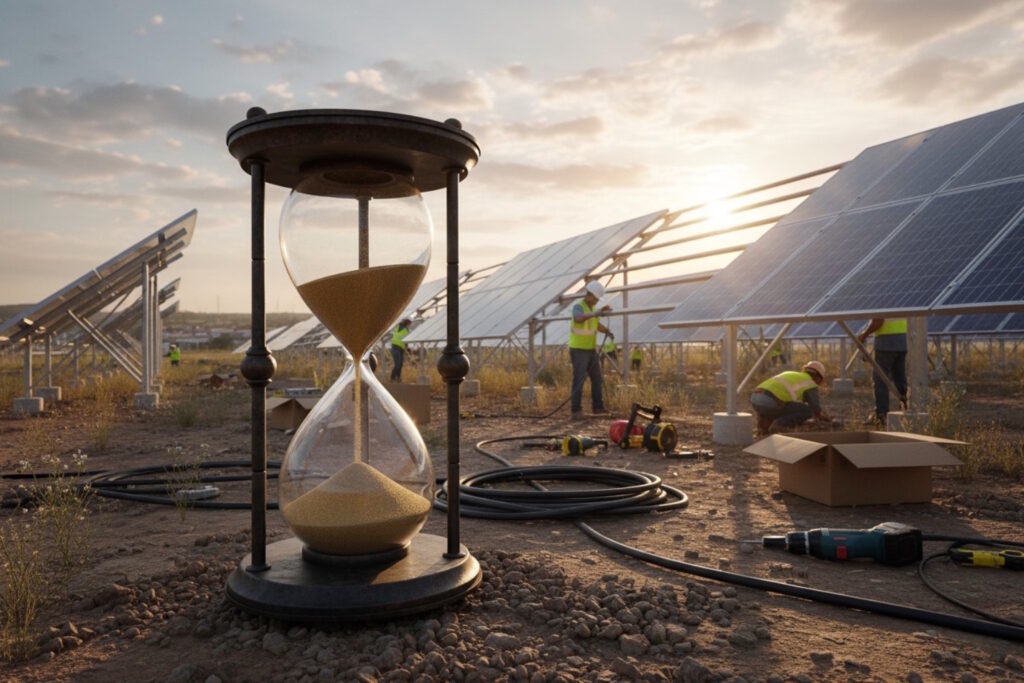
So, are we off track? In the strict sense, yes. The world is not moving fast enough for the smoother climate future many leaders once promised. But off track does not mean game over. It means the route has become steeper, costlier, and more politically difficult. That is a problem, not a final verdict.
Why This Debate Lands Closer to Home Than You Think
It is easy to treat this as a fight between governments and experts. It is much closer to home than that. If net zero moves forward, it will shape how countries build homes, run factories, power transport, and compete for investment. If it stalls, the costs will not stay inside policy papers. They will show up in bills, jobs, insurance, health, and public safety.
You can also see net zero as a test of seriousness. It asks whether leaders will match long-term promises with near-term choices. Will they build cleaner grids, speed up permits, help poorer countries finance their transition, and back cleaner industry? These are practical questions, not abstract ones.
That is also why blind optimism does not help. Net zero will not happen because the phrase sounds good. It will happen only if countries build, invest, cooperate, and stay consistent over time. Still, cynicism misses something important. The technology exists. The economic case is stronger than it was a decade ago. The direction of travel is clearer, even when politics slows the pace.
Conclusion: Hope Is Real, but It Needs Speed
So, could net zero still happen? Yes, but only if hope turns into action. The encouraging news is real: clean energy is scaling, investment is rising, and more leaders see economic upside in the transition. The worrying news is just as real: the world still sits outside the safest path, and delay keeps raising the cost.
The most honest answer is neither dreamy nor defeated. Net zero is not a pipe dream, but it is not self-executing either. It remains a reachable goal only if promises become projects, and projects move fast enough to matter.
If you want to keep exploring how net zero, innovation, and policy will shape the road ahead, Tech Scope Connect offers a thoughtful place to stay engaged with the conversation. Join now!
Join Green Things Summit 2026 as we take a deeper dive into how AI, IoT, automation, and edge computing help drive efficiency, reduce waste, and advance sustainability goals through thought-leadership panels, industry keynotes, and interactive Q&A sessions. Register here.
Sources: