Key Takeaway: Biometric data like fingerprints, voiceprints, and facial recognition are becoming prime targets in modern phishing attacks. Unlike passwords, this information can’t be changed once stolen, making it especially valuable to cybercriminals. As phishing tactics grow more sophisticated, users need to recognize new social engineering methods that trick them into surrendering this unchangeable identity data. Staying alert to suspicious prompts and practicing good security hygiene are essential steps in protecting your biometrics from evolving threats.
Phishing attacks are evolving—and they’re not just after your login credentials anymore. Increasingly, scammers are setting their sights on something more permanent: your biometric data. This includes fingerprints, voice recordings, facial scans, and even digital signatures—details tied directly to your identity.
Why does this matter? Because biometric data can’t be changed like a password. Once it’s compromised, you’re stuck with the risk. And in 2025, phishing tactics have advanced to exploit just that.
Why Are Phishing Attacks Targeting Biometrics Now?
It all comes down to value. As more devices and platforms use biometrics for authentication, cybercriminals see a golden opportunity. Traditional login information like usernames and passwords can be changed. But your face, voice, and fingerprints? Not so much.
That’s what makes biometric data so appealing. It’s now being used to verify everything from banking transactions to health records to remote work logins. Phishing attacks are adapting by crafting messages that ask users to “confirm” their identity with a biometric input—often through a fake login page, voice prompt, or digital document.
The result is a new kind of scam, one that tricks users into surrendering unchangeable identity data. Once stolen, that data can be reused, resold, or even used to bypass real security systems.
“But How Can Scammers Get My Fingerprint?”
It’s a fair question. Unlike passwords, your fingerprint or face ID doesn’t live in your inbox. So how are cybercriminals getting this data?
They’re getting creative. Imagine receiving a message from your bank claiming there’s suspicious activity on your account. The message asks you to “verify your identity” using your fingerprint or to sign a digital form via a link. You’re rushed, maybe even a little scared—and just like that, you follow the prompt.
Some phishing attacks even impersonate government agencies or popular health apps, asking for face scans or voice recordings for “compliance” reasons. Others might send what looks like an e-signature request tied to a legitimate-looking document.
These attacks are subtle. They use real company logos, convincing language, and urgency to lower your guard. And the moment you interact with them, you may be giving away more than you think.
The Growing Appeal of Immutable Identity Data
There’s a term gaining traction in cybersecurity circles: immutable identity data. That’s information that can’t be changed—like your biometric profile.
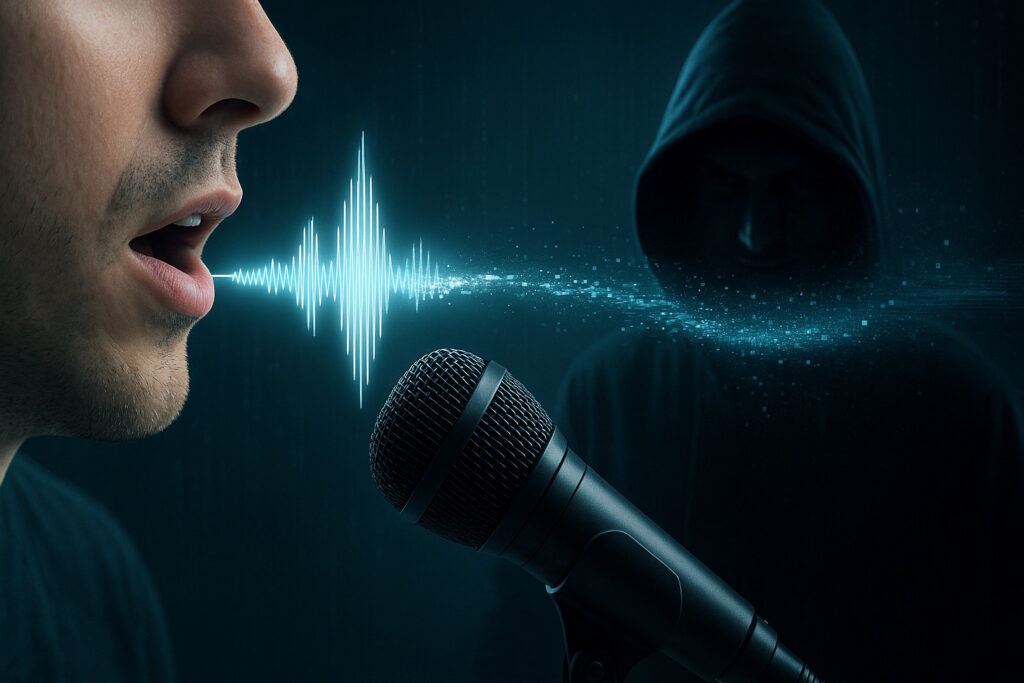
For scammers, it’s the holy grail. If they can collect enough of your biometric data, they can create convincing forgeries or train AI tools to impersonate you in voice-based systems. Imagine a scammer calling your bank’s support line, sounding exactly like you, and answering all the right prompts.
Even partial data—like a signature lifted from a scanned document or a voice clip from a voicemail—can be enough to compromise your identity. It’s not just about stealing once. It’s about long-term exploitation.
That’s why phishing attacks in 2025 are so focused on this type of data. It’s valuable, persistent, and hard to recover from once it’s in the wrong hands.
How Can You Tell if It’s a Biometric Phishing Attack?
Spotting biometric phishing isn’t always easy, but there are signs. These scams often play on urgency or authority. Here are a few common tactics to watch for:
- A message claiming your account will be suspended unless you “verify” your voice or fingerprint
- Requests to sign documents that you didn’t expect, especially through unknown platforms
- Emails from supposedly trusted sources using generic greetings like “Dear user”
- Pages that look nearly identical to real apps but have strange URLs or load errors
When in doubt, stop and double-check. Legitimate organizations rarely request biometric data through email or text. If something feels off, it probably is.
And if a prompt asks you to take a selfie or record a voice message on the spot? That’s a major red flag.
Phishing Attacks in the Age of Smart Devices
Our growing reliance on smart devices makes things even trickier. Phones, watches, doorbells, and even thermostats now collect and use biometric data.
Phishing attacks are evolving to match. You might get a text that looks like it’s from your mobile provider, saying your face ID settings need to be updated. Or a fake system update alert asking for a new fingerprint scan.
These attacks exploit familiarity. You’re used to interacting with these prompts, so they don’t feel suspicious. That’s exactly what scammers are counting on.
The broader your digital footprint, the more opportunities exist for cybercriminals to manipulate it. Being aware of this shift is the first step in protecting yourself.
Simple Steps to Stay Safe
You don’t need to be a cybersecurity expert to defend against these threats. A few basic habits can go a long way:
- Think before you click. If you didn’t expect a message, don’t trust the link.
- Use multi-factor authentication. Preferably one that doesn’t rely only on biometrics.
- Secure your apps and devices. Keep your software updated and use trusted security settings.
- Store your biometric data locally (on-device) instead of using cloud-based options when possible.
- Be cautious with e-signatures. Verify the source before signing any document online.
And most importantly, talk about it. Share what you’ve learned with coworkers, friends, or family. The more people understand these risks, the harder it is for phishing attacks to succeed.
Conclusion: Stay Smart About Smarter Scams
Phishing attacks are no longer just about emails asking for your password. They’re targeting your identity at its core—your voice, your face, your fingerprint. Biometric data is convenient, but that convenience comes with responsibility. As scammers get smarter, so should your digital habits.
If you’re interested in how cybersecurity, privacy, and identity protection are evolving, Tech Scope Connect is where the conversation continues. Join us for live sessions, expert panels, and ongoing insights into the future of trust and technology.