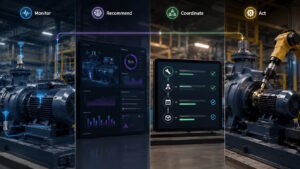

Key Takeaway: A sustainable technology strategy in 2026 connects your technology investments to measurable environmental outcomes and operational performance. It aligns AI, IoT, cloud, and infrastructure decisions with energy use, resource efficiency, risk management, and long-term accountability. Instead of treating sustainability as a side initiative, organizations embed it into everyday technology choices, governance, and reporting—so vision translates into execution.
Why 2026 Makes This a Boardroom Topic
A sustainable technology strategy now shapes how serious organizations plan, spend, and explain decisions in 2026. You may also hear terms like “sustainable tech roadmap” or “green IT plan.” Some teams prefer “responsible technology agenda” or “low carbon digital strategy.” The idea stays the same. Technology choices affect your footprint, and that footprint affects business risk.
If you manage budgets, operations, or customer commitments, you already feel the shift. Energy costs move unpredictably. Reporting expectations rise. Customers ask sharper questions, and they expect clear answers. The real issue is not whether sustainability matters. The issue is how you turn intent into outcomes people can see.
Making Sense of Sustainable Technology Strategy in 2026
When people ask, “What is a sustainable technology strategy?” they usually want a definition they can use. Think of it as a practical plan that aligns technology decisions with sustainability goals and measurable outcomes. It connects what you buy, build, and run with the impact you create.
This matters because technology plays two roles at once. It consumes resources through data centers, networks, devices, and materials. It can also reduce waste through measurement, automation, and smarter processes. A strong strategy holds both truths together, without drifting into slogans.
A quick way to test your definition
Here is a simple check you can apply in a meeting. If your strategy only lists “initiatives,” you may have a project list. If it also names tradeoffs, owners, and measures, you likely have a strategy. It should help you decide what not to do.
The New Reality: Costs, Reporting, and Expectations
You might be wondering, “Why does 2026 feel different?” One reason is straightforward. Sustainability moved from a values conversation to a performance conversation. Leaders now face questions about energy use and resilience, alongside uptime and security.
Another reason is transparency. Investors, customers, and employees want consistent metrics, not marketing language. Rules still vary by market, but the direction looks similar. Organizations see more disclosure, more comparability, and less patience for vague claims.
Technology itself also changed the baseline. AI workloads can raise power demand. Connected devices can multiply quickly across sites. Scale can help you, or it can surprise you, depending on how you plan.
What this means for everyday decisions
In practice, the biggest choices often look ordinary. They include how you select cloud services and how long you keep hardware. They also include how you design data retention and software updates. Small patterns, repeated widely, shape real impact.
Where AI and IoT Actually Help
Many readers ask, “Is AI good or bad for sustainability?” The honest answer is, “It depends.” AI can improve forecasting, reduce scrap, and spot problems earlier. Yet AI can add computing demand when teams chase novelty.
IoT raises a similar question. When you instrument assets, you gain visibility into energy, water, and process efficiency. At the same time, you add devices, networks, and maintenance obligations. The best cases make the overhead worth it.
The “sense, decide, improve” loop
A useful way to think about AI and IoT is as a loop. Systems help you sense what is happening across operations. Analytics helps teams decide what to change. Operations teams improve processes, then measure again. Over time, this loop turns sustainability into routine work.
Start where friction already exists
If you want early momentum, the best candidates often already hurt. Think unplanned downtime, compressed air leaks, overheated facilities, and inefficient routes. These problems waste money and resources together. That overlap makes results easier to explain.
Common Sustainable Technology Strategy Pitfalls to Avoid
Even strong teams stumble in predictable ways. One pitfall treats sustainability as an add on, instead of a design constraint. That approach leads to late-stage rework and internal frustration.
Another pitfall is “pilot purgatory.” Teams launch a dashboard or a sensor trial, then struggle to expand it responsibly. They may lack a data owner, a maintenance plan, or a clear process for acting on insights.
A third pitfall confuses activity with impact. You can buy efficient devices and still miss goals if you run them poorly. You can publish a policy and still fail if no one ties it to purchasing and operations.
From Vision to Execution Without Losing Momentum
At this point, you may be asking, “Where do we start?” A good starting point is one outcome that matters to your organization. It might be lower energy intensity, less material waste, or longer asset life. Then connect that outcome to a small set of technology decisions you control.
Governance also needs plain language. Someone must own the data and approve spending decisions. Someone must change operating procedures when insights appear. When accountability stays vague, execution slows down.
Measures matter, too. People trust a few stable indicators more than a maze of dashboards. Many teams do well with operational indicators plus one or two outcome indicators. Document assumptions so results stay comparable over time.
A simple sequence you can explain in one meeting
Many organizations settle into a helpful rhythm. First, they establish a baseline they believe. Next, they prioritize a handful of high-impact processes. Then they fund changes that improve performance and reduce impact. This rhythm stays grounded, even as tools evolve.
The Questions Leaders Ask in 2026
When you review proposals, you may hear confident claims. A quick way to test them starts with a simple question: “What problem does this solve?” Next comes “How will we measure change?” It also helps to name who will maintain the solution for three years. Finally, surface the tradeoff the team accepts.
Another question helps: “Does this reduce risk we already carry?” It might lower energy volatility or downtime. It may also improve compliance readiness. If the answer stays fuzzy, the project may belong in research, not operations.
One more question matters more than it seems: “Will teams actually use this?” Adoption is sustainability, too. A tool that sits unused still consumes money, effort, and often energy.
Conclusion: Turning Today’s Choices into Next Year’s Results
A sustainable technology strategy in 2026 does not require perfection, but it does require clarity. You can connect environmental goals to everyday technology decisions. You can measure progress without drowning in detail. When you treat sustainability as part of how work gets done, execution becomes realistic.
If you want to continue exploring how sustainability, AI, and intelligent systems intersect in practical ways, Tech Scope Connect brings these conversations to life through expert discussions and live broadcasts. Join us to stay informed on the strategies shaping responsible technology in 2026 and beyond.
Join Green Things Summit 2026 as we take a deeper dive into how AI, IoT, automation, and edge computing help drive efficiency, reduce waste, and advance sustainability goals through thought-leadership panels, industry keynotes, and interactive Q&A sessions. Register here.